


Per Pedal zur Poesie from Allensbach
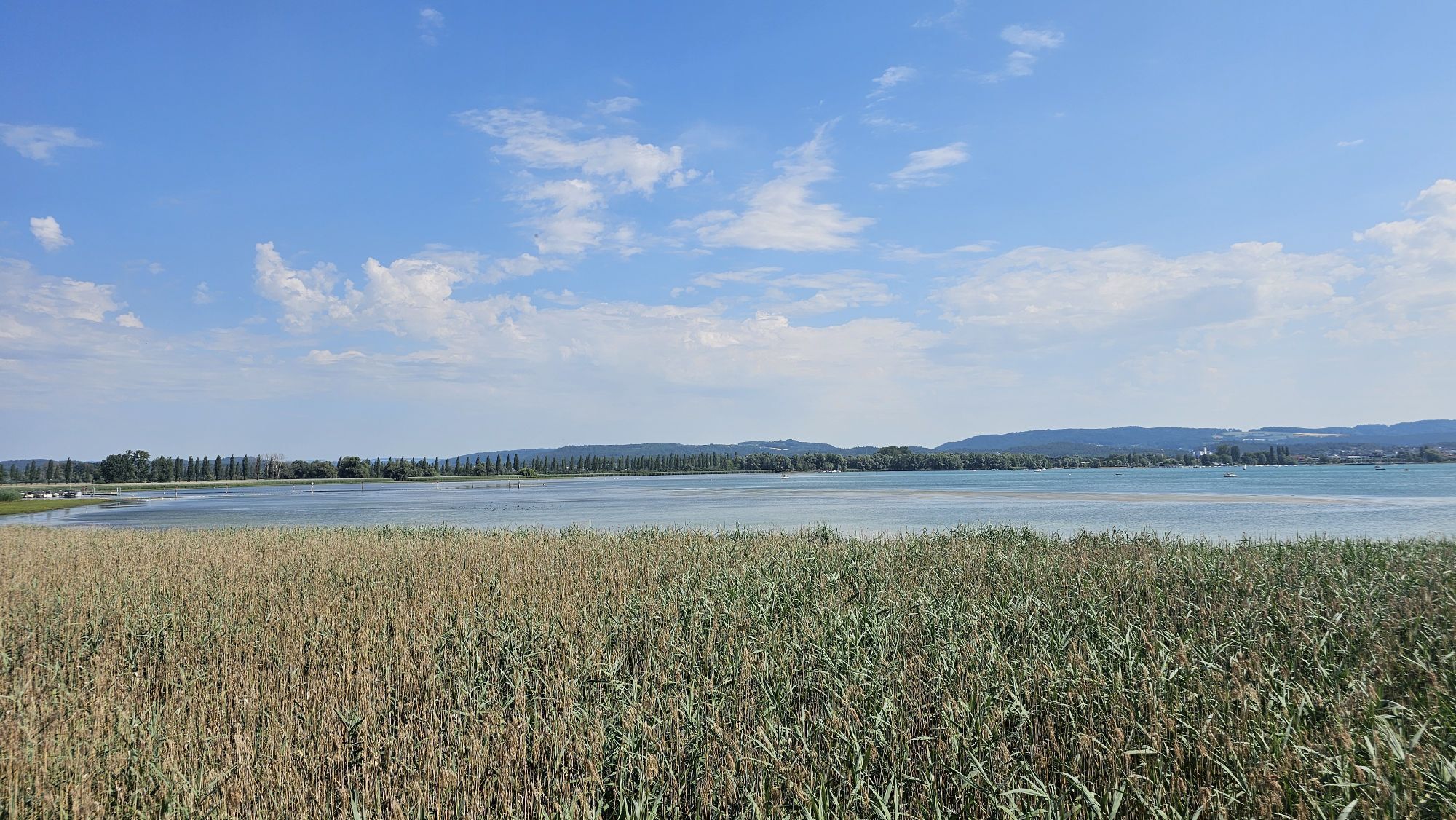
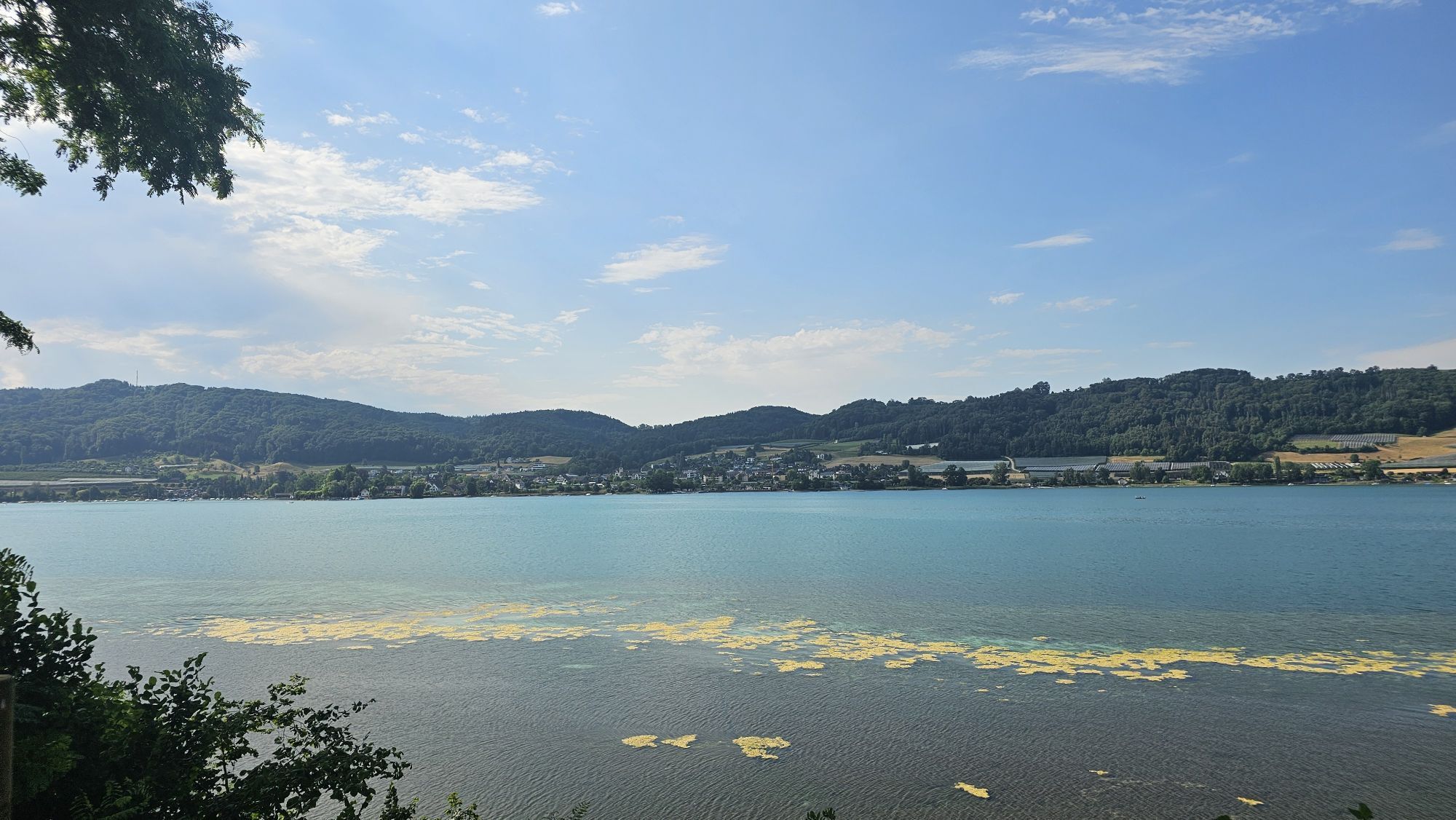
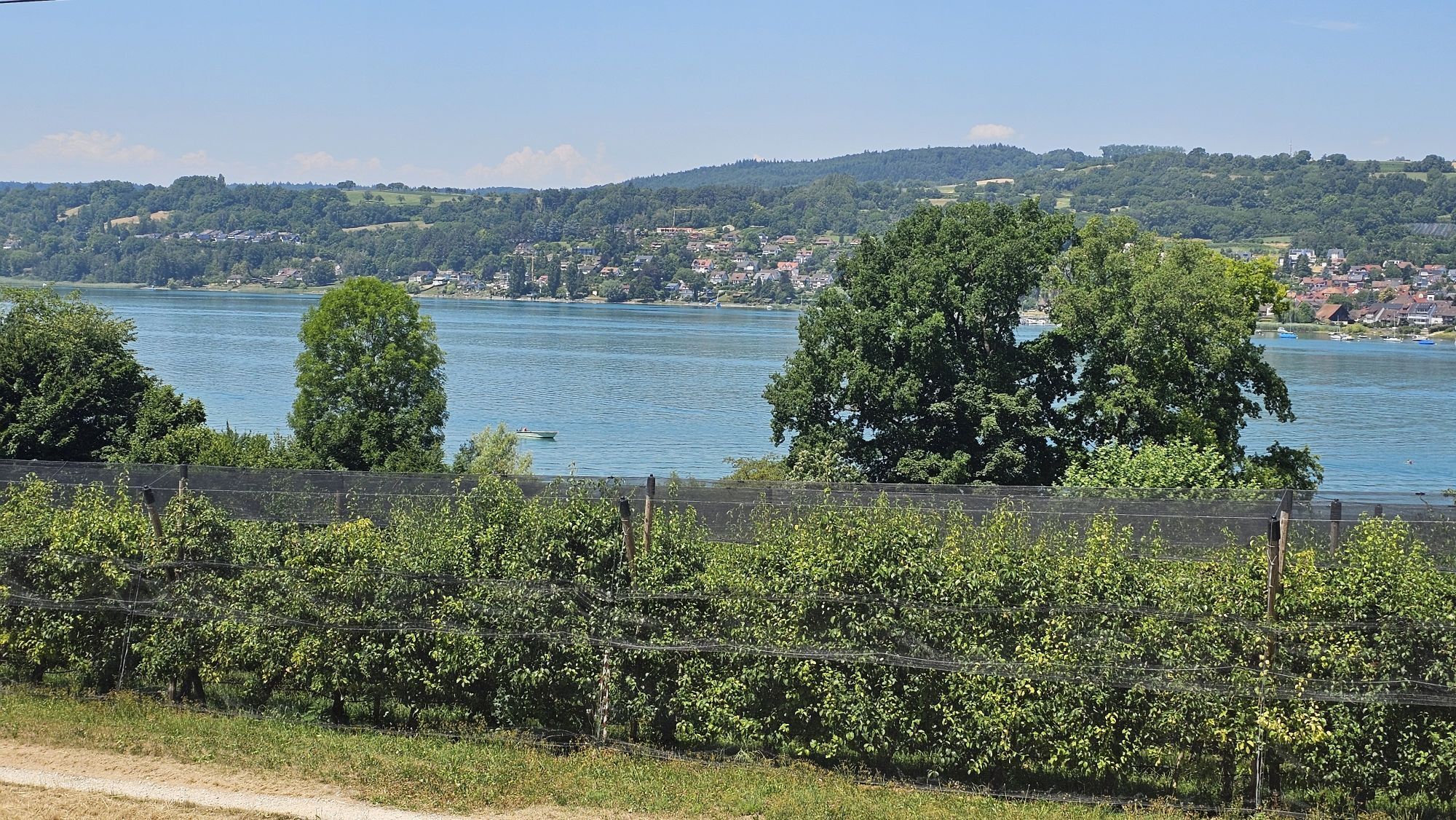
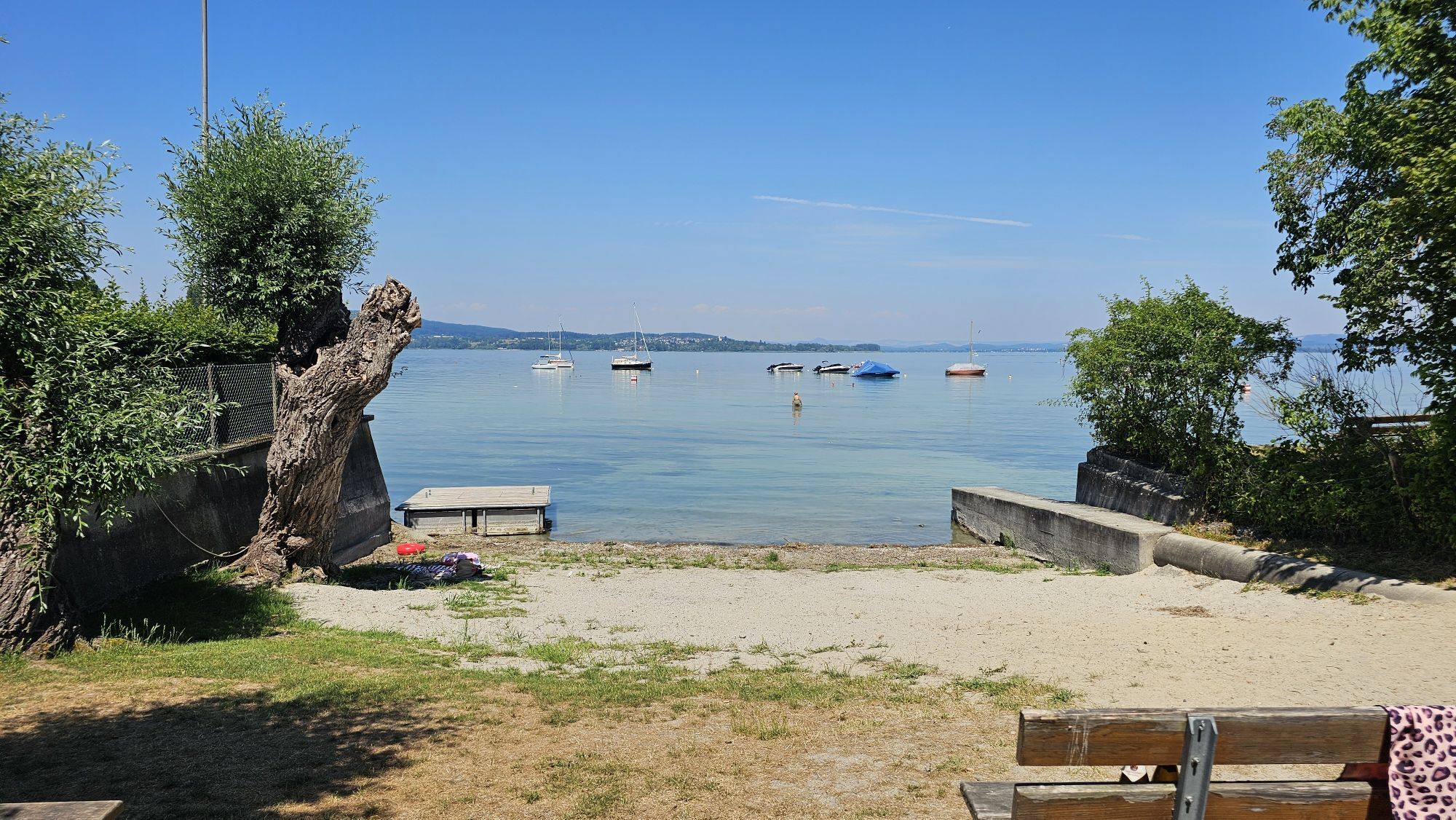
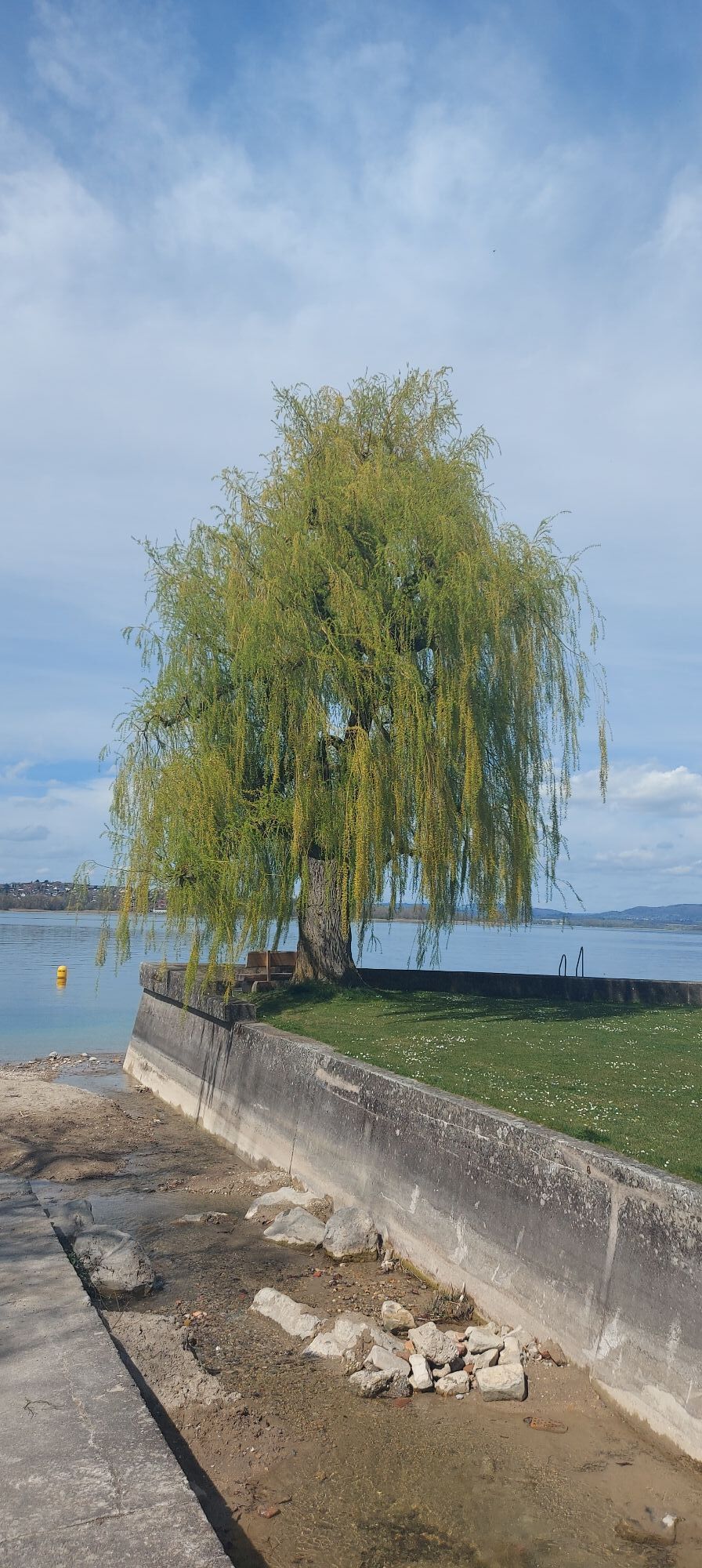
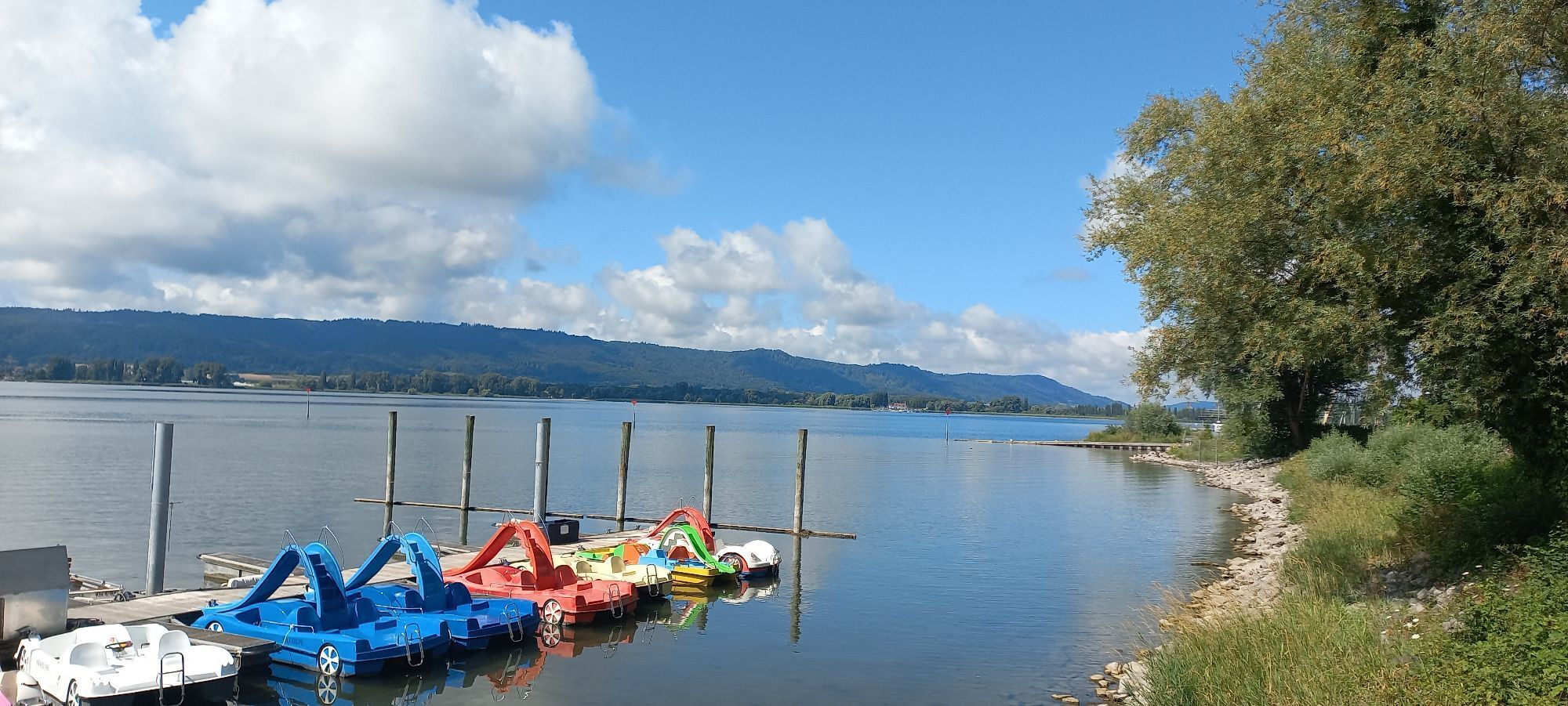
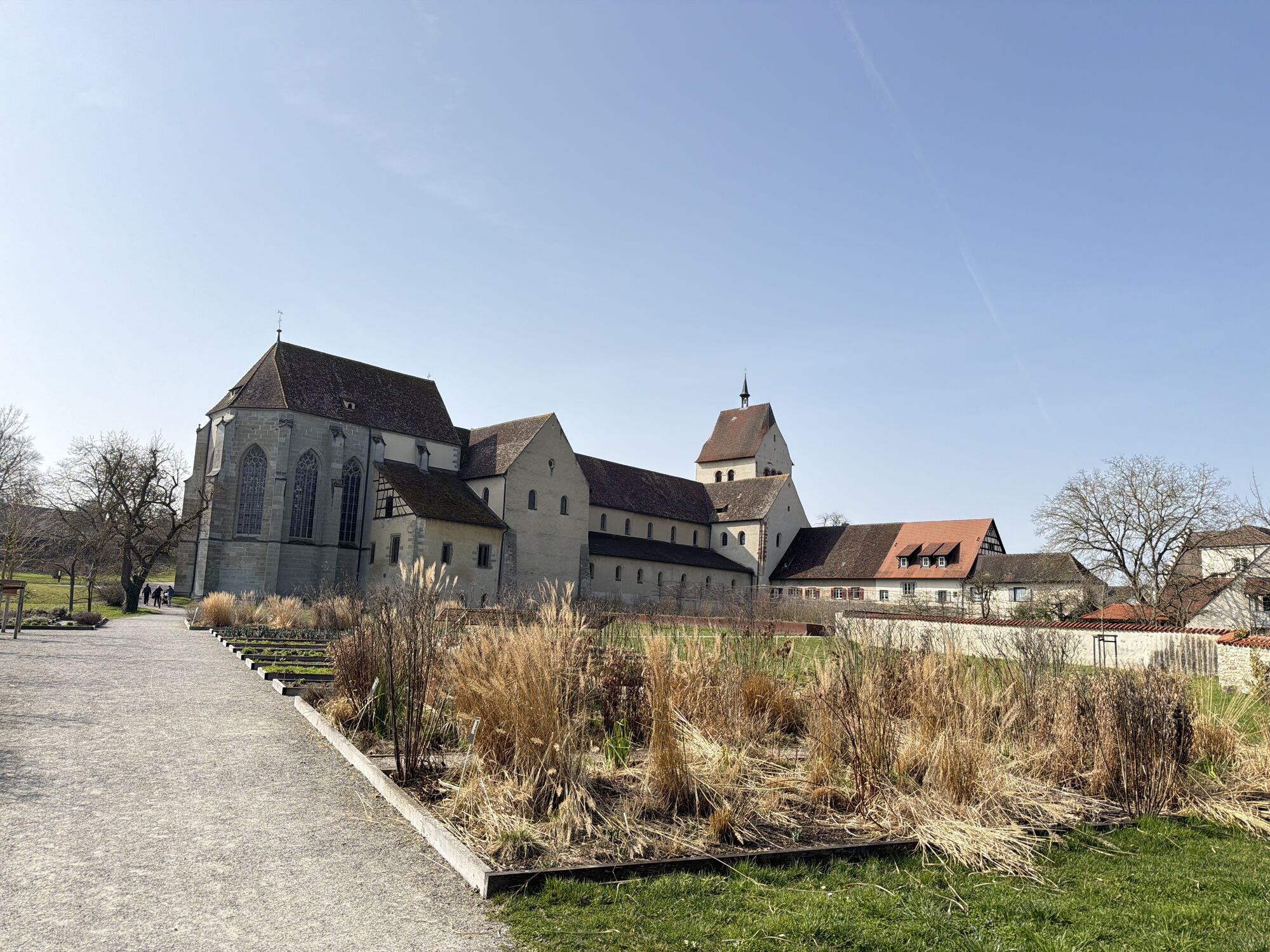
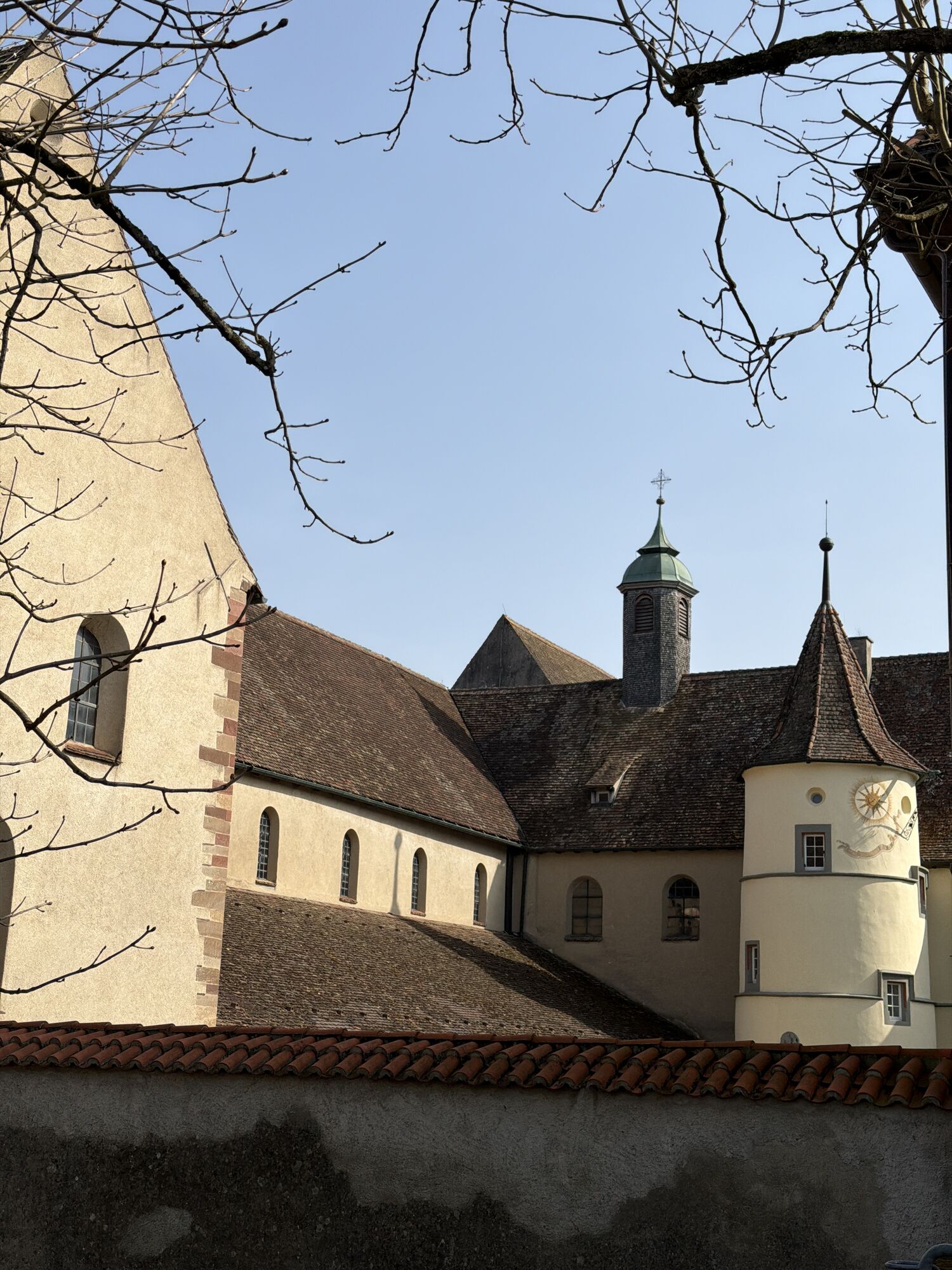
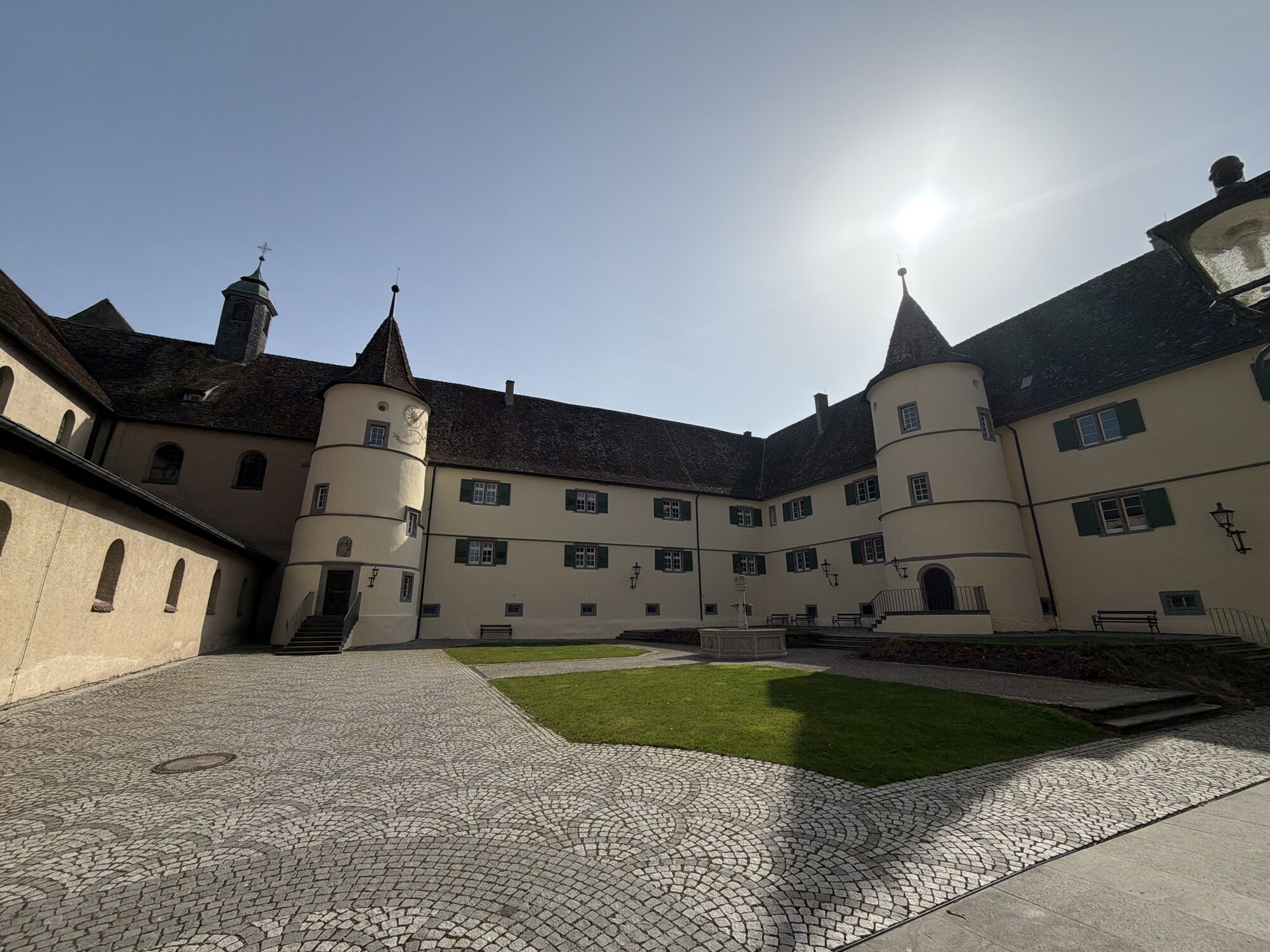
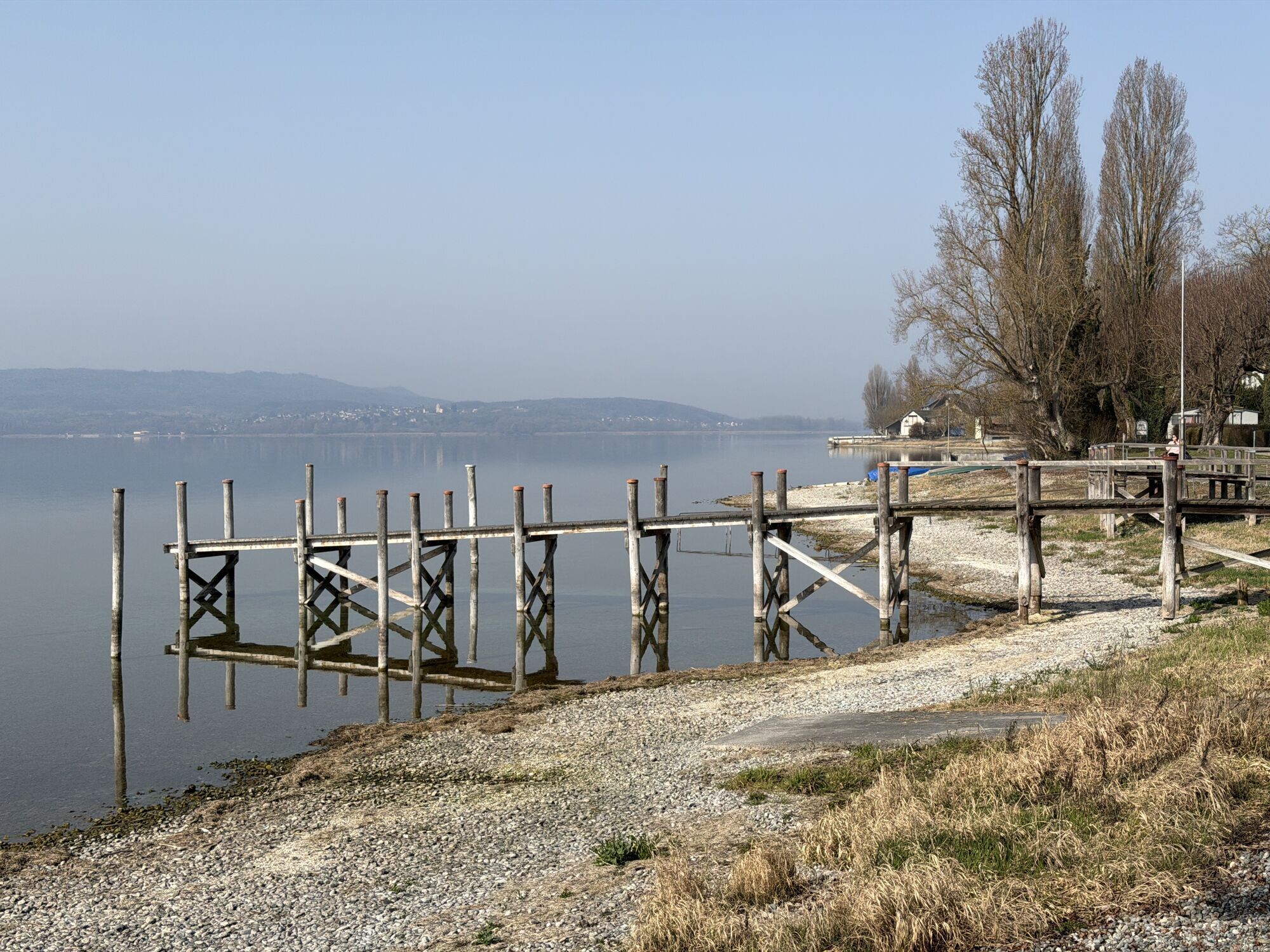
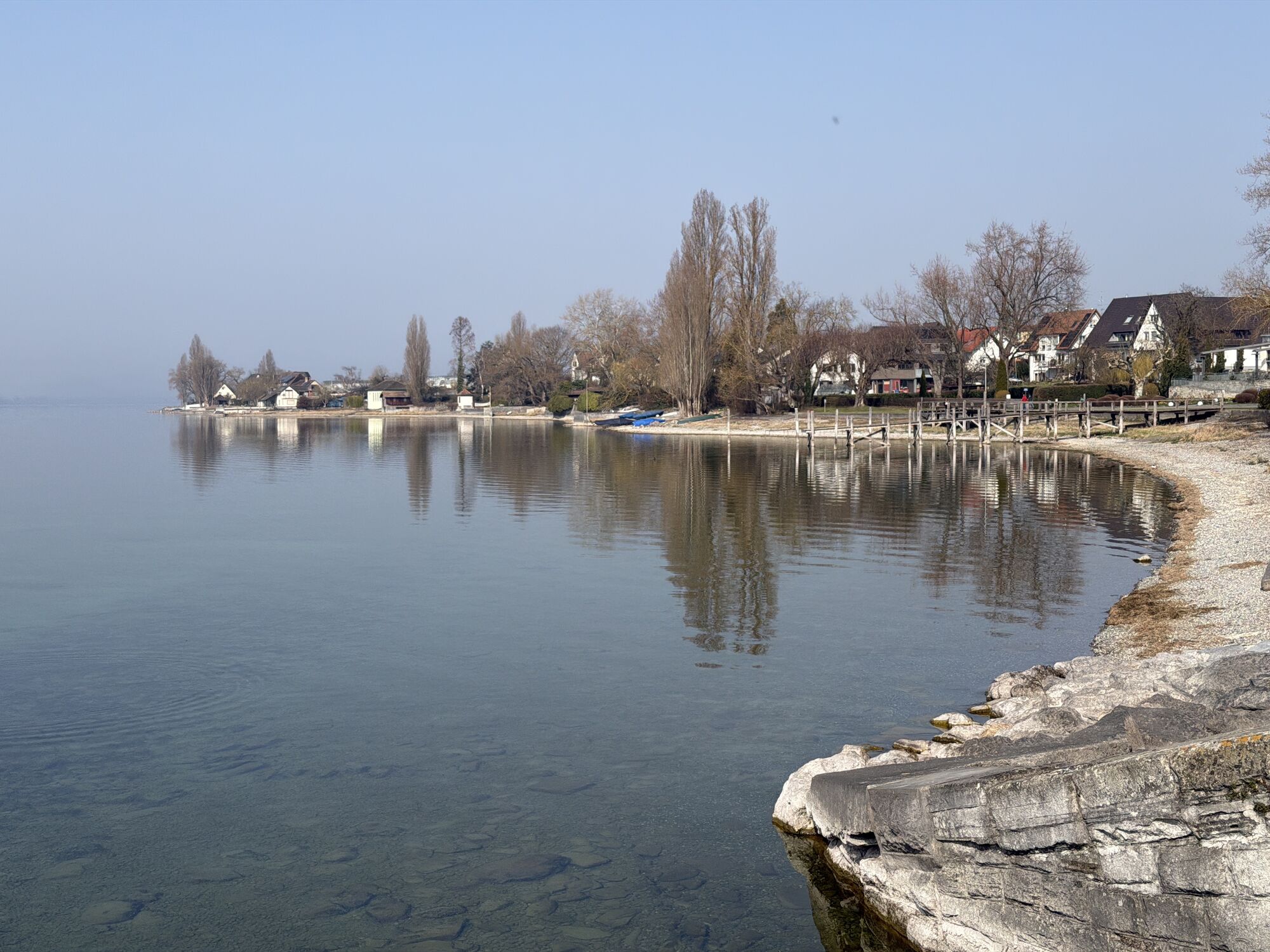
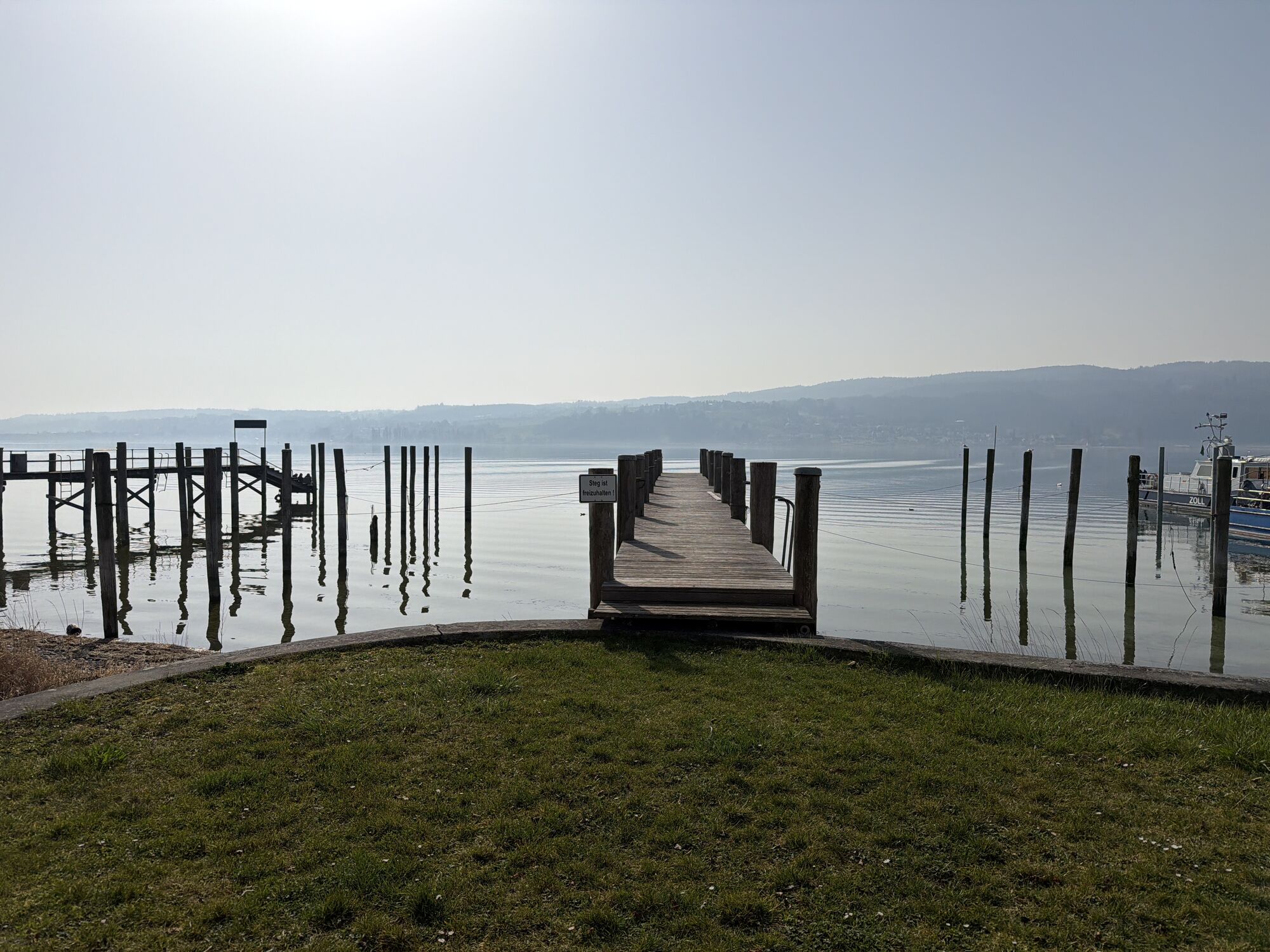
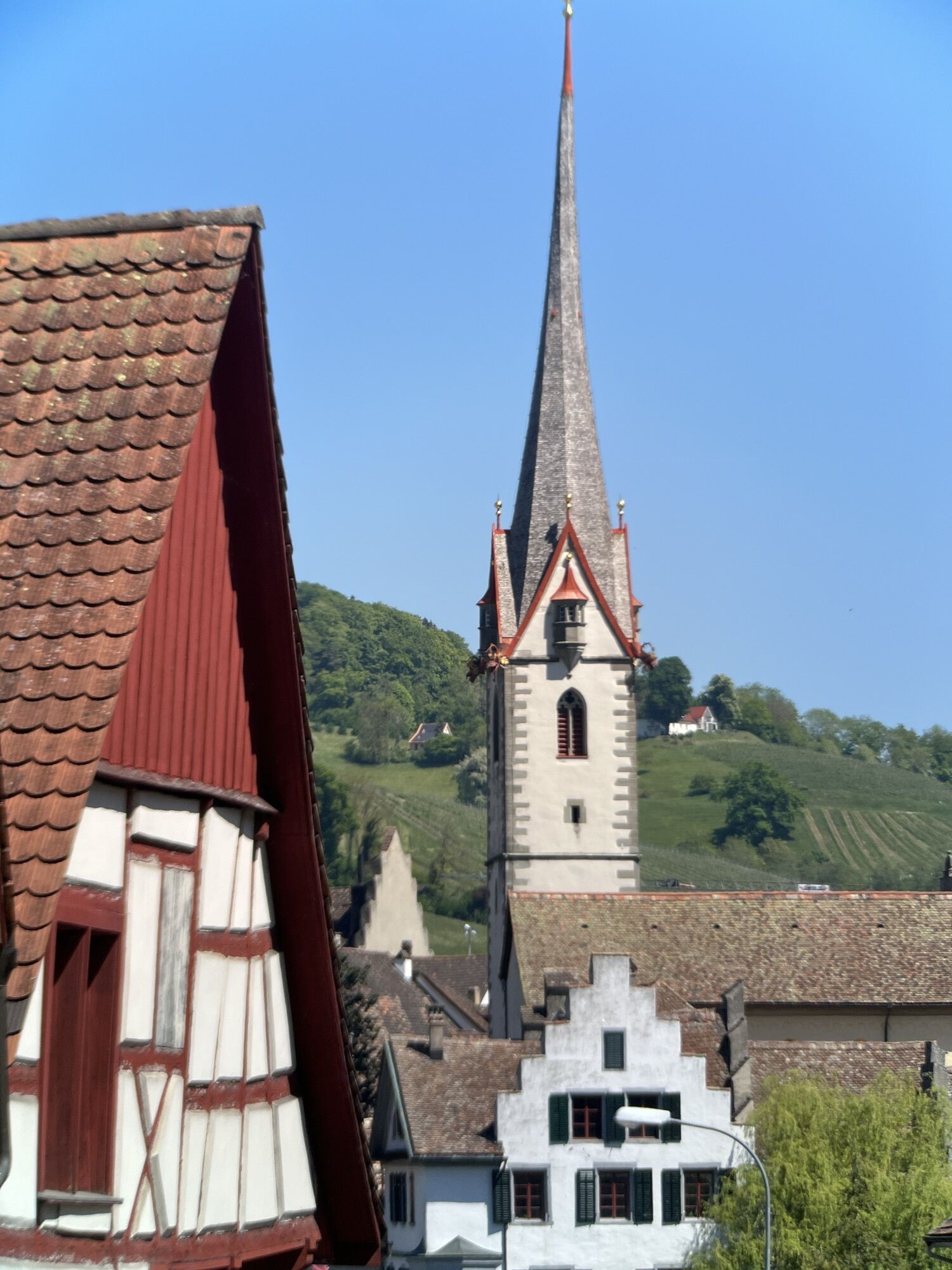
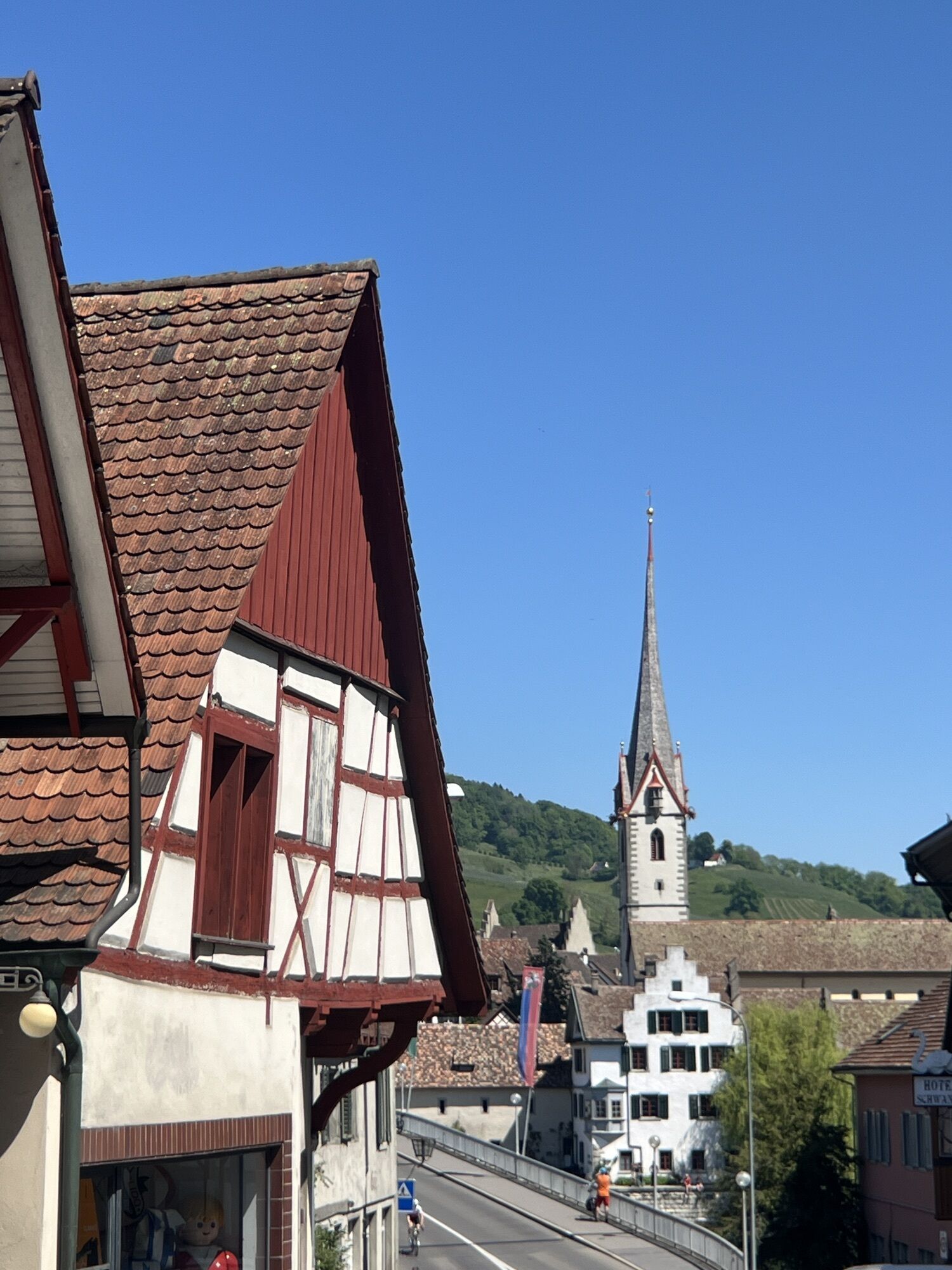
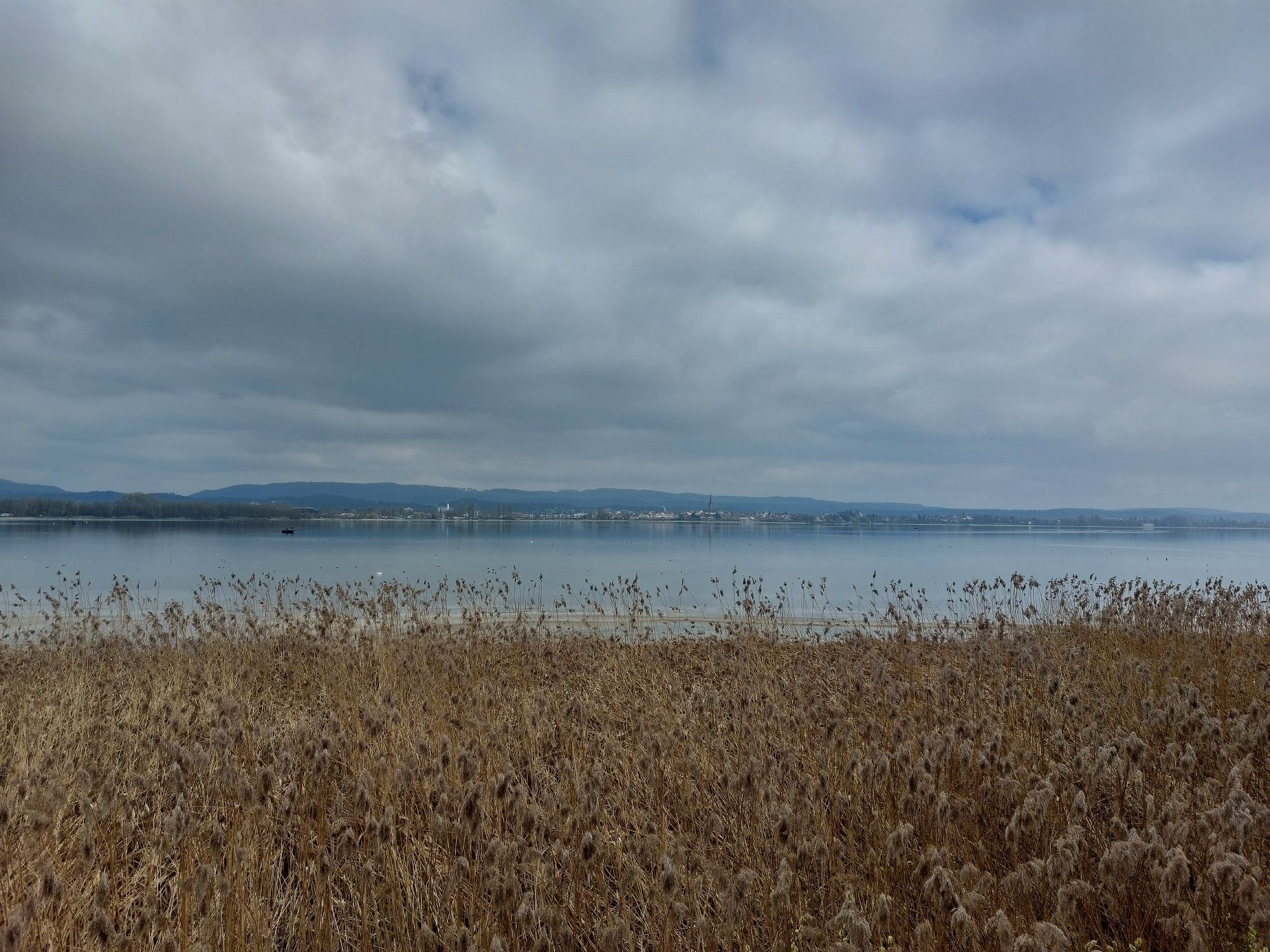
The day route stops at numerous locations featured in literary texts and places of literary history along the German and Swiss shores. By boat, it continues from Mannenbach (CH) to the island of Reichenau...
The day route stops at numerous locations featured in literary texts and places of literary history along the German and Swiss shores. By boat, it continues from Mannenbach (CH) to the island of Reichenau (D) and from there across the Gnadensee back to Allensbach.

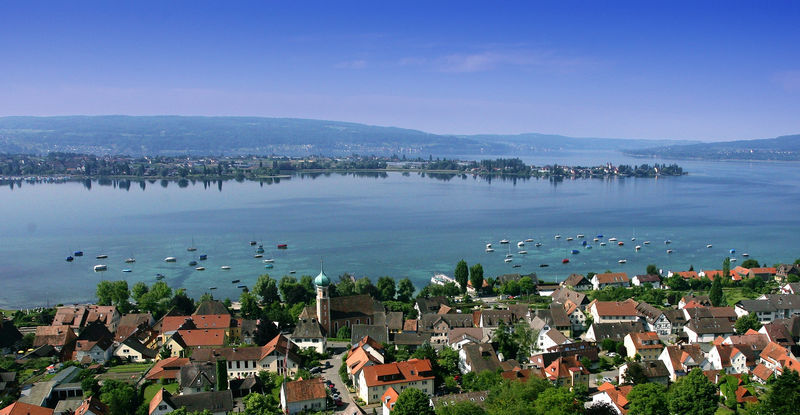
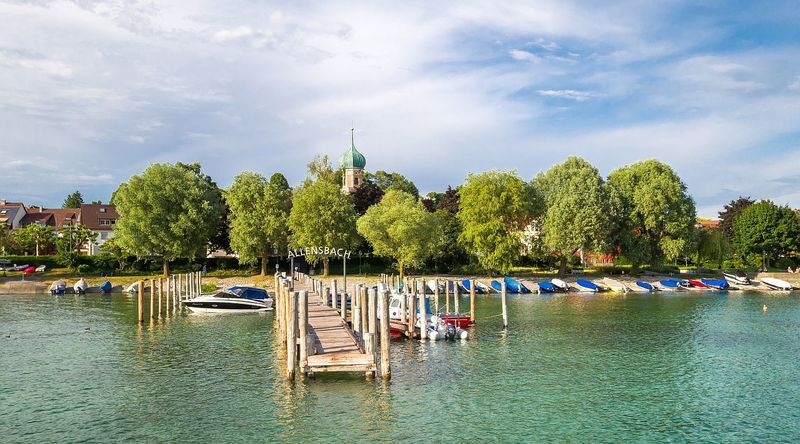

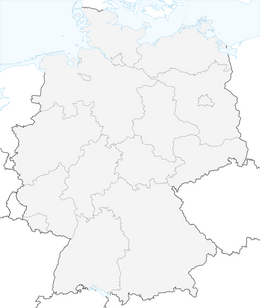
The route starts directly at the MÜHLENWEGMUSEUM Allensbach and passes through, among others, the towns
... Allensbach
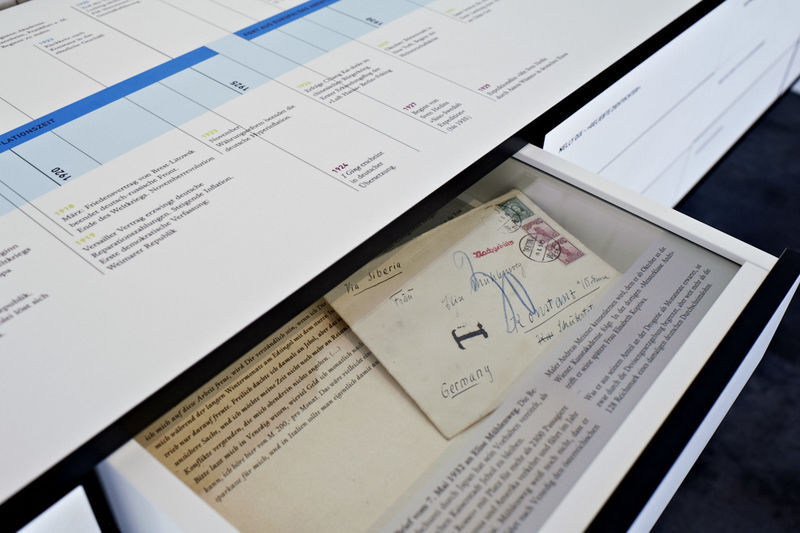
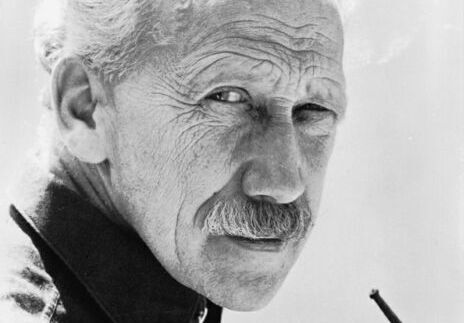
Take your time and visit the MühlenwegMuseum directly in the train station and learn about Fritz Mühlenweg (1898 - 1961). He incorporated his experiences from three Asian expeditions into his successful youth book ›In Secret Mission through the Gobi Desert‹ (1950). Together with his adventure novel ›Strangers on the Path of Reflection« (1952) and the translation of Chinese poems, Mühlenweg, who settled in Allensbach in 1934 with his wife, the painter Elisabeth Kopriva, provided a cultural mediation service and gave important impulses to German Asian studies, especially Mongolistics.
... Gaienhofen
Hermann Hesse (1877 – 1962), who had sufficient therapy experience during his youth marked by life crises, came to the Untersee in 1904 under different circumstances: influenced by »a then quite lively movement in Germany of urban flight and rural life with moral-artistic justification«. With his novel ›Peter Camenzind‹ Hesse had achieved a success that allowed him a free writer's existence. So he rented – freshly married to the life reform-oriented photographer Maria Bernoulli – a farmhouse in Gaienhofen, »somewhat primitive and somewhat neglected, but pretty and quiet«, and stayed eight years on the Höri peninsula. In this first own house, Hesse had »for the first time the feeling of settling down, and thus also sometimes the feeling of imprisonment, of being bound to limits and orders«. Today, the house belongs to the Hermann Hesse Höri Museum, which presents the Höri as a literature and art landscape and also shows the desk that Hesse had specially built for this house and that accompanied him on all later moves. Thanks to steady income, Hesse was able to build a house A after three years that met bourgeois standards with running water and a bathtub heater, which was recently reconstructed by private initiative – including the garden laid out by Hesse himself. The sketch ›A September Morning at Lake Constance‹ shows that here in Erlenloh not only harmony with nature but also isolation and loneliness had a place. Although in retrospect he said this had been the best time of his life: the idea of »being able to create and acquire something like a home at a place of one's own choice« was a self-delusion. Hesse's marriage showed first signs of crisis, which is reflected in the novel ›Gertrud‹ (1910) created here. When the writer returned from a trip to India in 1912, he knew: Gaienhofen was »exhausted« for him. The family moved to Bern and left the »wide, bright, unspoiled landscape« of the Höri, which the painter Otto Dix (1891 – 1969) found »beautiful to the point of disgust«. (Dix came to Gaienhofen in 1936 after the Nazis had indexed his art as »degenerate« and revoked his teaching license.) The doctor and writer Ludwig Finckh (1876 – 1964), who had visited his friend Hesse at Lake Constance as early as 1905 and also settled here (Ludwig-Finckh-Weg 5), later glorified the years together as a ›Gaienhofen idyll‹ (1946). Hesse clearly distanced himself from Finckh's initially national-conservative, openly fascist positions after 1933.
... Wangen
Jacob Picard (1883 – 1967), on the other hand, had lived »for three centuries in Wangen«. This was written by the native (Hauptstrasse 60) from his New York exile, where he said he always thought of the Untersee when looking at the Hudson River. Picard's home town is one of those Hegau municipalities where Jews and Christians coexisted peacefully until 1933. His stories, which made him a chronicler of southwestern German rural Jewry, open a very different view of the Höri and its history. Hermann Hesse said about the novella collection ›The Marked One‹ (1936) that it demonstrated the renewed sense of German Jews for their distinctiveness, a distinctiveness that, however, differs from the shtetl and ghetto Judaism through coexistence with Christians and rural homeland attachment. Picard described his childhood and youth at the Untersee, already under the impression of threat, in the ›Memories of a Life‹ (1938). Picard survived the Holocaust. In 2007, a memorial was established for him in the old Wangen town hall; he had returned to his homeland in 1960 and received the Lake Constance Literature Prize four years later.
In Stein am Rhein, you cross the border into Switzerland
... BERLINGEN
ADOLF DIETRICH (1877–1957) reluctantly left the Untersee. Even the train ride to his brother in Ludwigshafen was an ordeal for him. His paintings, however, eventually traveled as far as New York and made him, alongside Dix, the most well-known painter in the region. It is little known that he also wrote poems. BEAT BRECHBÜHL (*1939), who as a teenager was deeply impressed by an obituary on Dietrich, embarked at the end of the 1990s on a fictional ›foot journey with Adolf Dietrich‹ across the Thurgau lake ridge, which he published in 1999 as an empathetic homage to the painter and poet.
STECKBORN
Adolf Dietrich was an exception among the artists at the Untersee. Those born here were driven out into the world: whether Paul Ilg as a child laborer or OTTO FREI (1924–1990) (MORGENSTRASSE 14) as a student thirsty for education. Frei made his debut in 1973 with his childhood memories ›Youth on the Shore‹, the first part of the Steckborn cycle. In a laconic style, he tells of the National Socialist threat but above all casts a critical view on everyday life at the Untersee. Where it was too narrow for Frei, MARIA DUTLI-RUTISHAUSER (1903–1995) (SEESTRASSE 45), who moved to Steckborn in 1927, saw her home and therefore put her literary work in the 1930s at the service of »spiritual homeland defense«, which gave her Swiss homeland novel ›The Guardian of the Fatherland‹ high editions.
Hermann Hesse, who never regarded the Untersee border as »natural«, often rowed from Gaienhofen (Literary cycle 04) to Steckborn to shop. He knew the customs tariff by heart but preferred »to smuggle when possible«.
In Mannenbach, you go by boat or solar ferry to the island of Reichenau. Across vegetable fields over the island to the yacht harbor. There you can set sail with Bauman shipping and reach Allensbach again after a literary day.
Of course, always wear a helmet!
Train station available in Allensbach
Free DB parking near the train station
Please note the season of the boat services (April to September)
Pridobite vpogled
Vedno v živo na mestu z več kot 9.500 spletnimi kamerami. bergfex Kot uporabnik Pro si lahko zdaj ogledate ustrezne spletne kamere za številne izlete v aplikaciji izleti iz. Tako si lahko neposredno ogledate trenutne razmere.
Priljubljeni izleti v okolici
-
5.0
Mindelsee-Runde
svetlobaPohodništvo 7.83 km -
4.0
Around the island of Reichenau
svetlobaPohodništvo 10.9 km -
Hike on the panorama route of the Höri Peninsula
srednjaPohodništvo 8.11 km -
4.0
Bodanrück-Runde
težkoPohodništvo 8.36 km -
4.0
Circular hike Gaienhofen-Middle Höri
srednjaPohodništvo 12.6 km -
4.5
Mühlsberg route
srednjaPohodništvo 8.67 km -
3.7
Firstweg Langenmos
srednjaPohodništvo 5.76 km -
4.0
Rundwanderung Liggeringen - Bodman
srednjaPohodništvo 13.0 km -
Stein am Rhein - Hohenklingen Castle - Stein am Rhein
srednjaPohodništvo 7.79 km -
Nature enjoyment on the circular hiking route with a view of Freudental Castle
svetlobaPohodništvo 5.67 km
Pohodništvo in sledenje


Ne zamudite ponudb in navdiha za naslednje počitnice
Vaš e-poštni naslov je bil dodan na poštni seznam.