





Marmot Trail
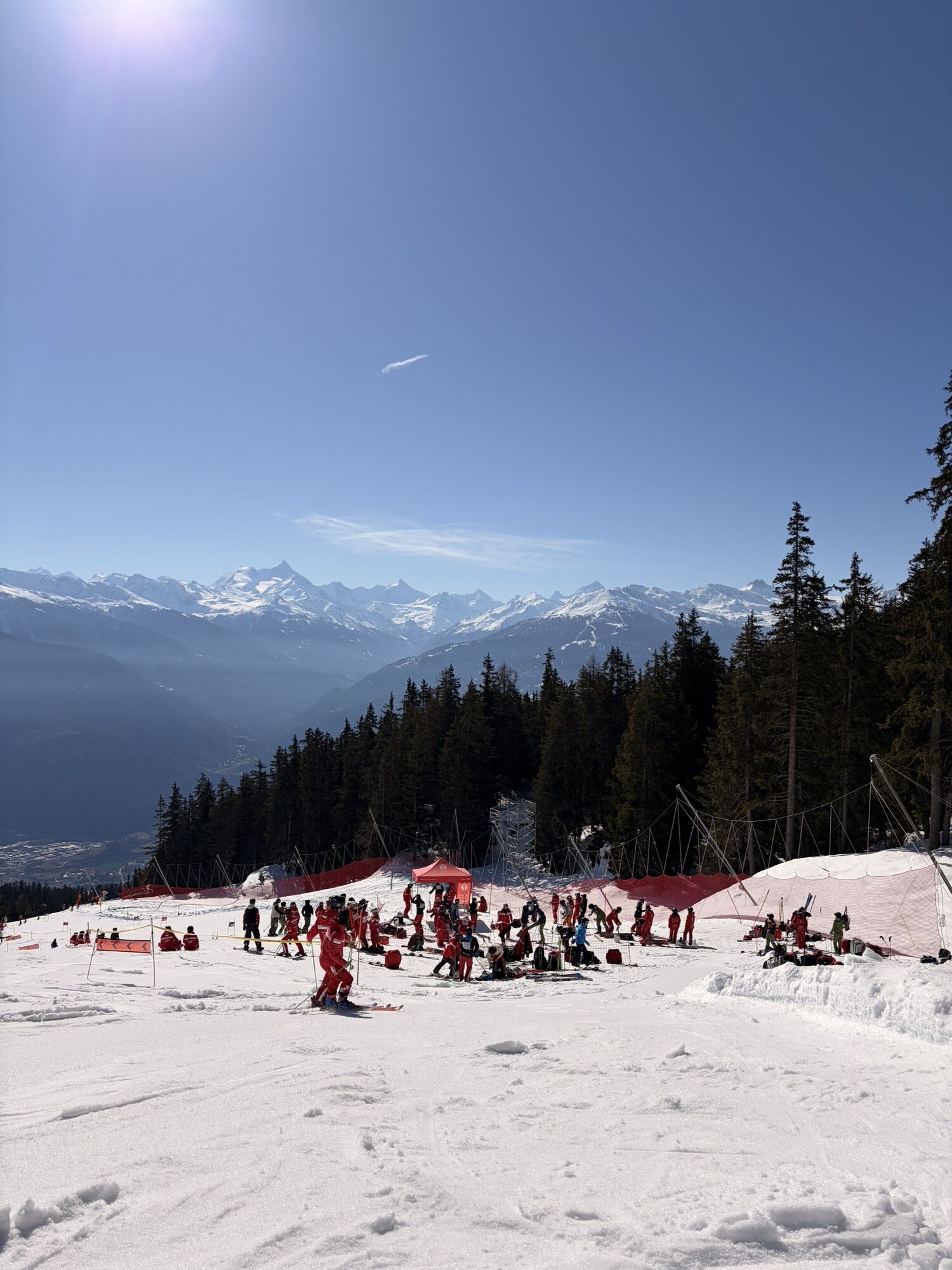
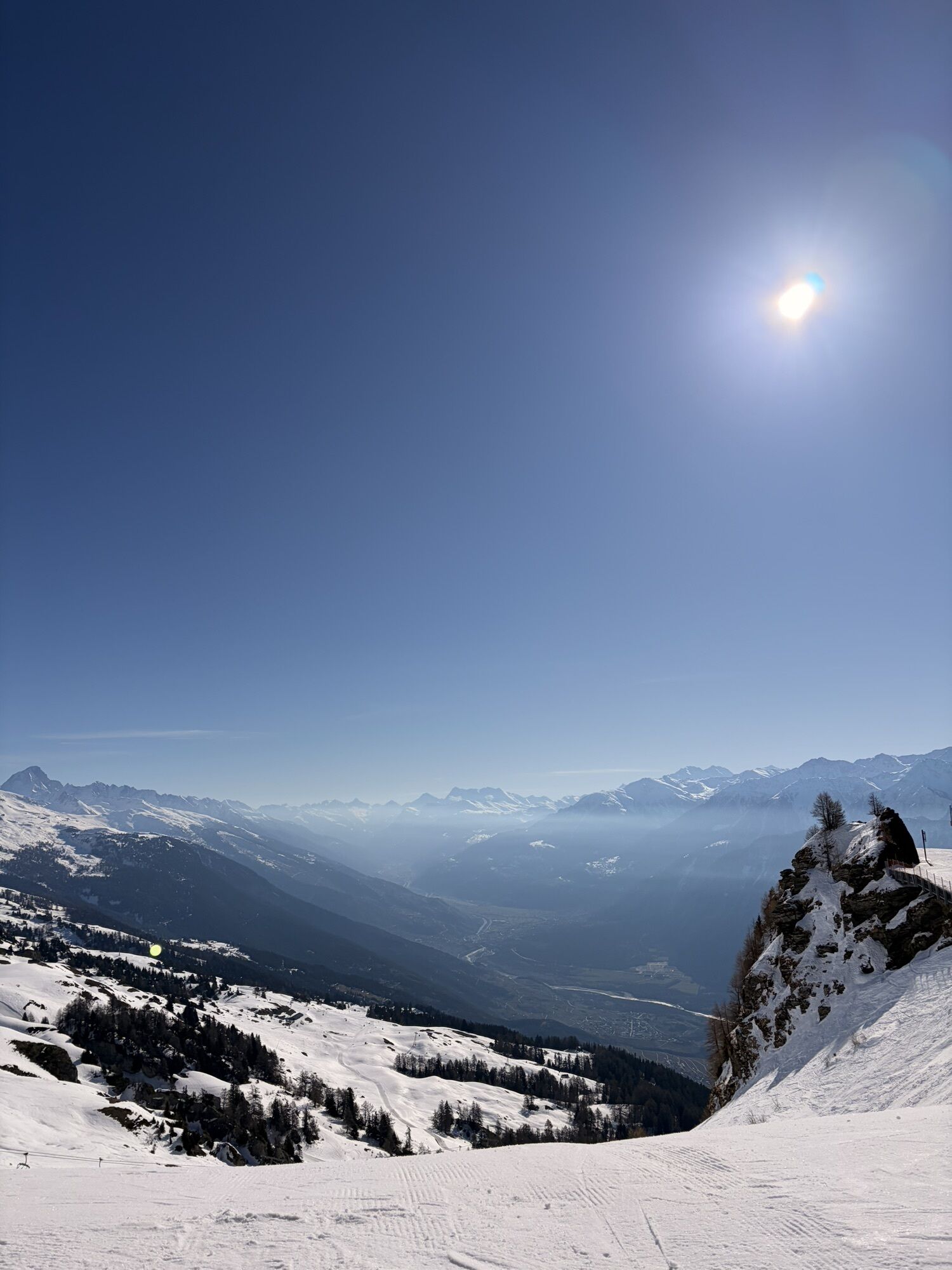
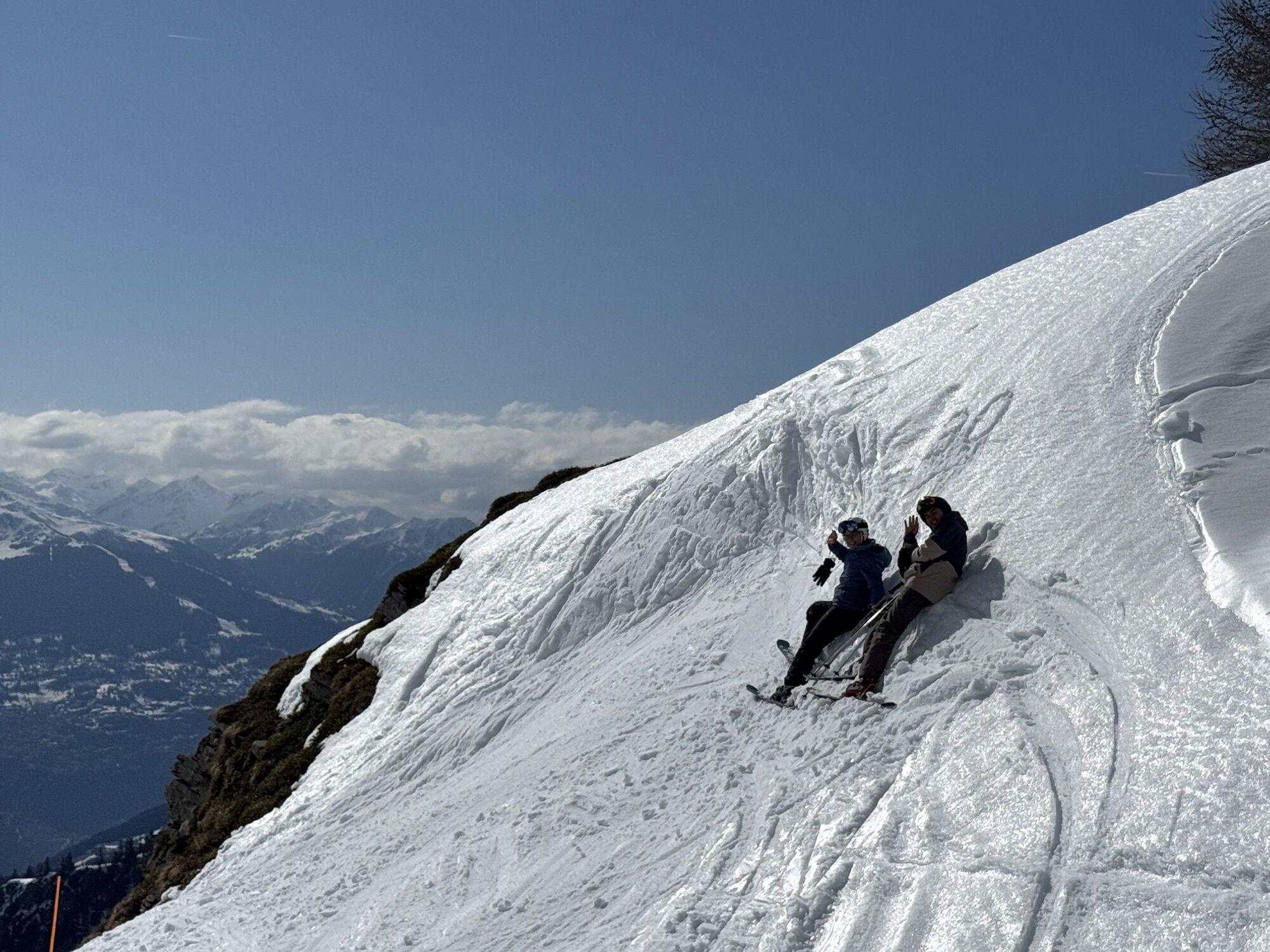
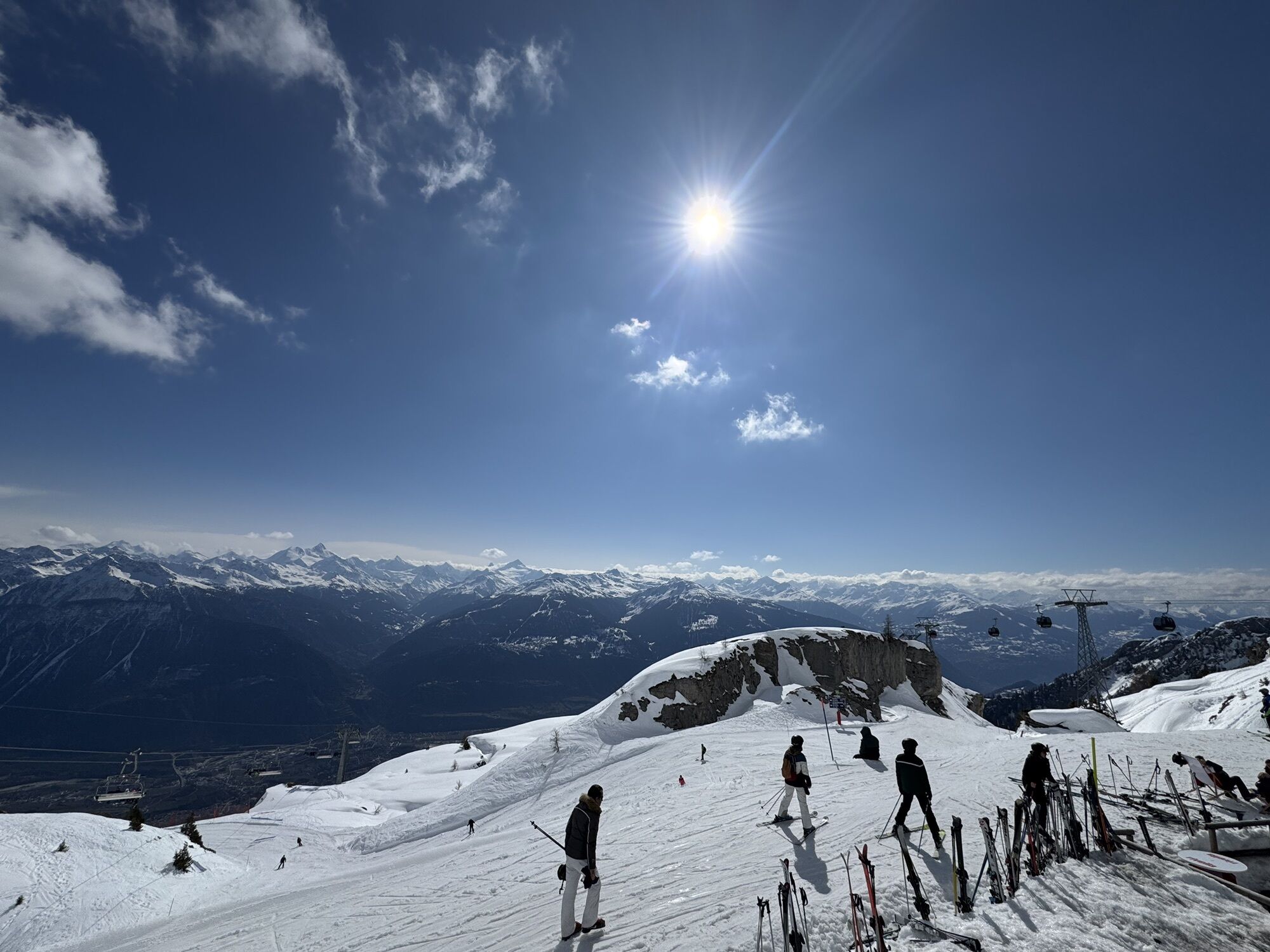
In the Crans-Montana region, the marmot is the mascot of the area. The portion of territory it has most colonized includes the Cry d'Er sector, Bellalui, Tsa Bona, Col de Pochet, south face of the Tubang,...
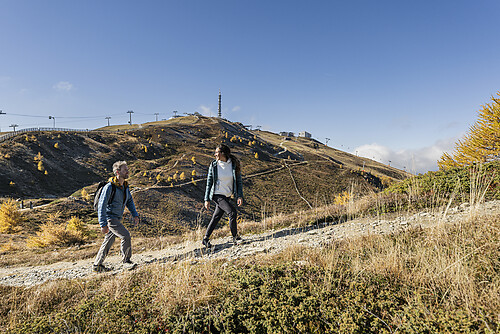
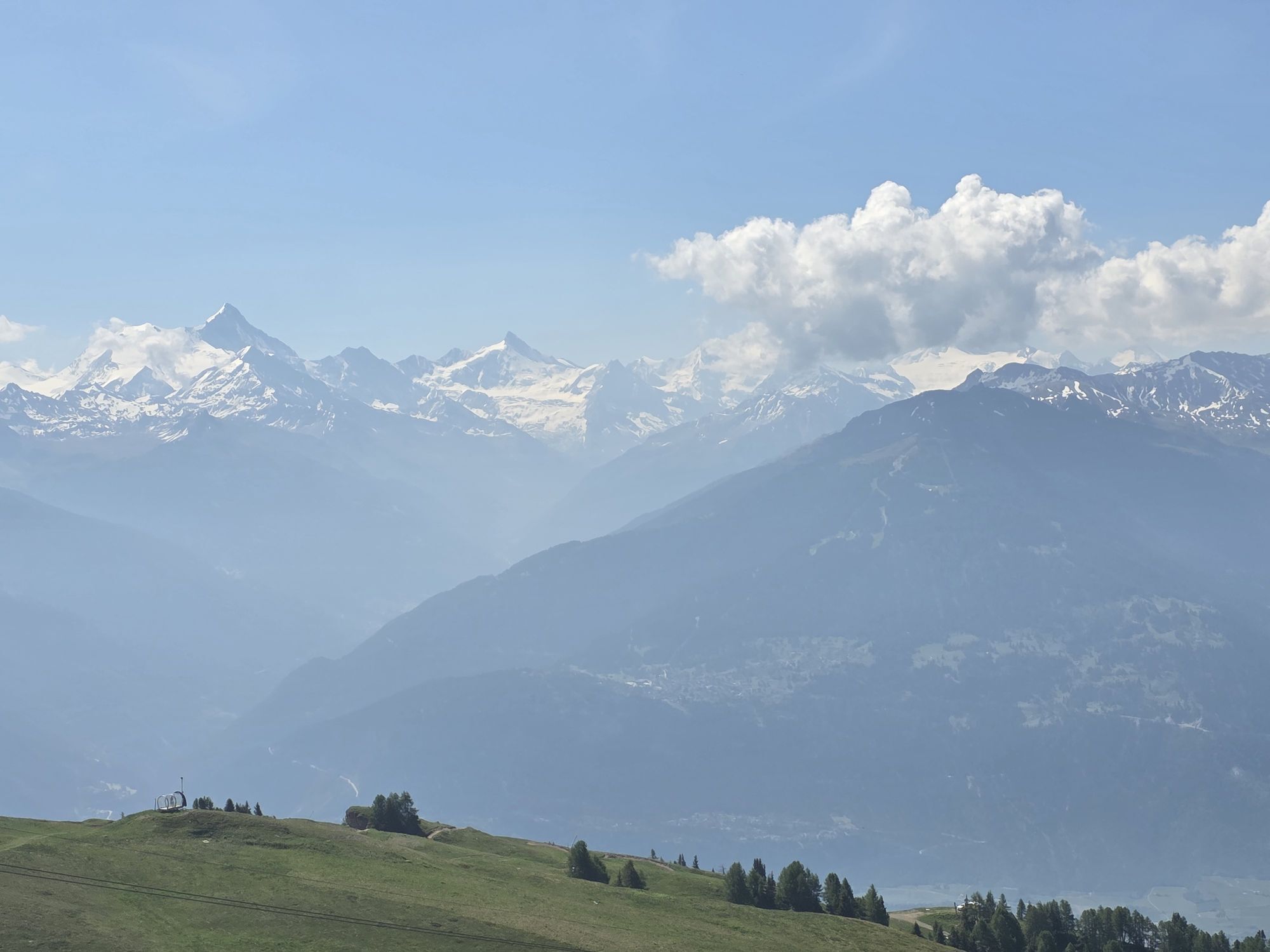
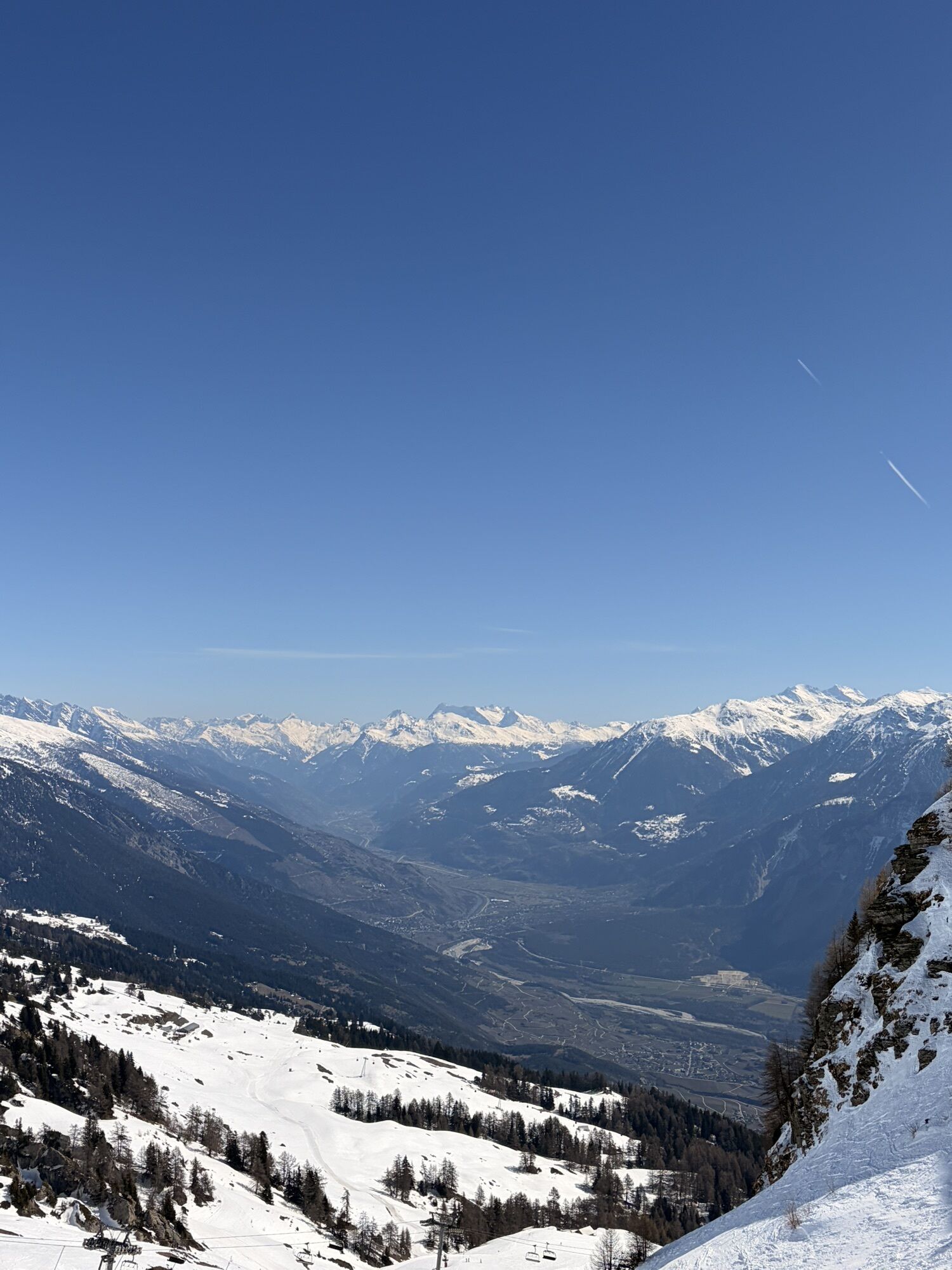
In the Crans-Montana region, the marmot is the mascot of the area. The portion of territory it has most colonized includes the Cry d'Er sector, Bellalui, Tsa Bona, Col de Pochet, south face of the Tubang, Cabane des Violettes, Pépinet, Houlès. It is within this perimeter that the animal has best adapted to human pressure. Apparently, this has not affected the species: with everyone passing through (pedestrians, skiers, cars, snow groomers, bicycles, cable transport, summer grazing cattle), the marmot is still there and very present. In this region, it goes about its activities while maintaining very attentive awareness of its surroundings: the placement of its eyes allows it to see the upper hemisphere above its head in almost totality, except for a very narrow blind cone at the rear. It is quite difficult to surprise it. Its great sensitivity to ground vibrations informs it with quite reliable precision about what might approach, even before it has seen anything coming. Between Cry d'Er and the Cabane des Violettes, along the trail, is the most suitable place for it. The terrain slope is quite steep, which means the ground absorbs a large amount of energy related to its sun exposure. As a result, warmth is available until very late in the evening and early in the spring. This is a sparsely rocky scree zone, where hiding places are plentiful. Every large stone is a lookout point for parents, both to monitor the young's escapades and to spot the arrival of foxes, humans, or eagles from afar. In terms of food, there's plenty: the grass is tender, abundant, and varied. And here and there, underneath some limestone blocks, water flows from small springs. Upon arrival at Cabane des Violettes, several options are available for continuing your hike. You can either return to the resort by cable car or descend via the path crossing the Pépinet alpine pasture. There you will be facing the highest Alpine peaks over 4,000 meters. On the far right, the highest dome is Mont Blanc, then moving left, you have the Grand Combin, straight ahead is the crown of the five 4,000-meter peaks of Anniviers with, behind, the Matterhorn, black square to the left of the Dent Blanche. Further right is the Monte Rosa, and the Mischabel chain. The descent ends at Vermala, from where public transport departs to return to your accommodation or car.

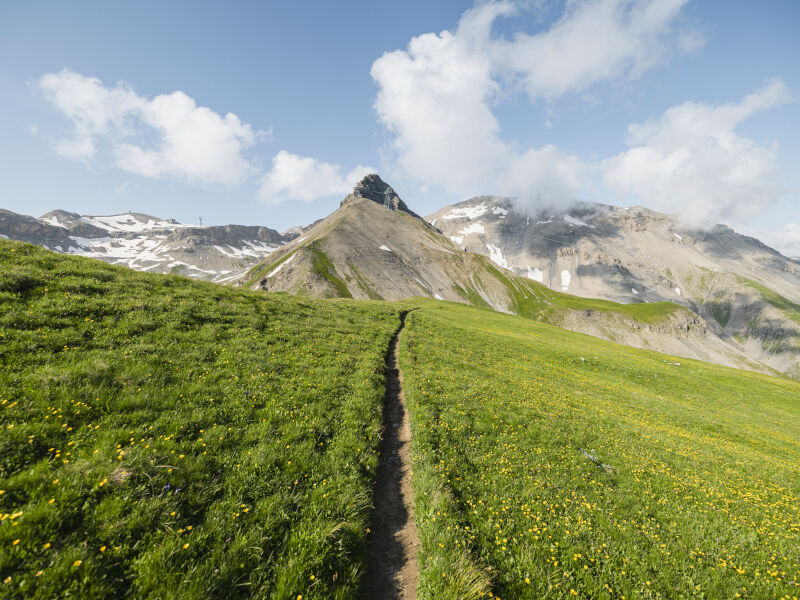
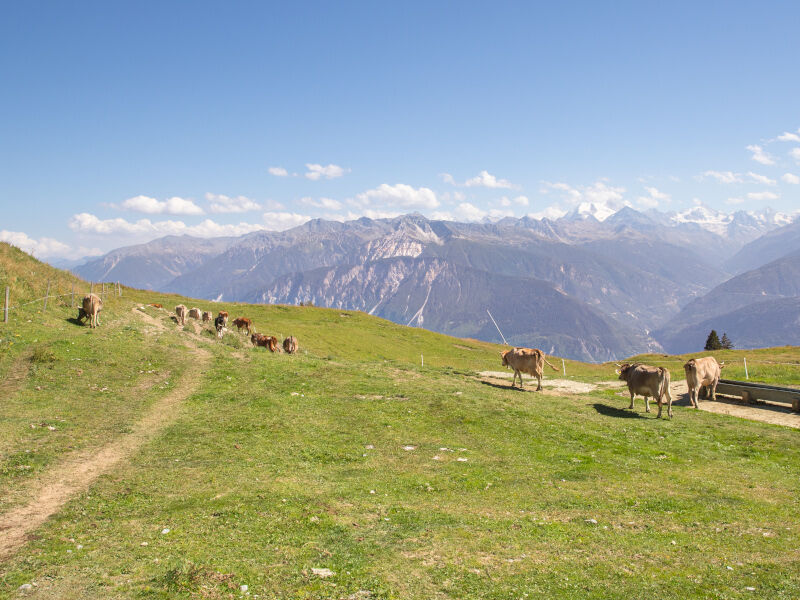
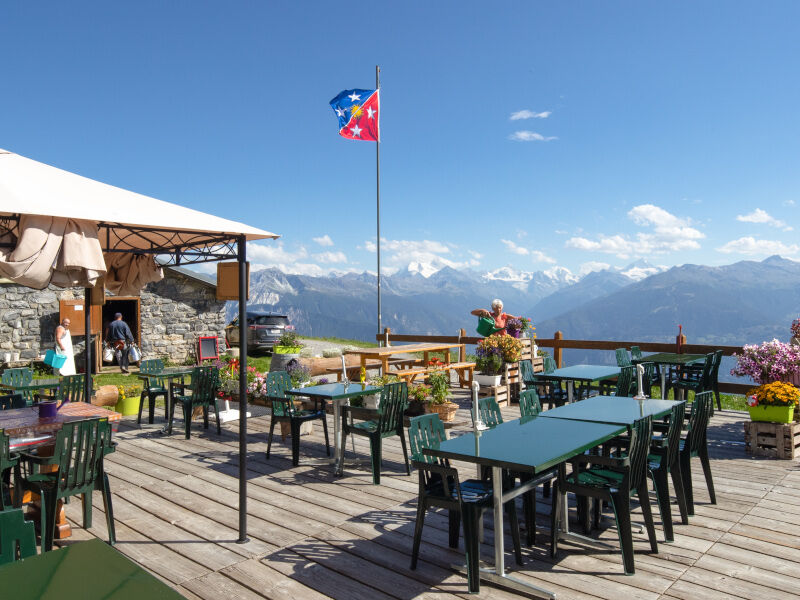
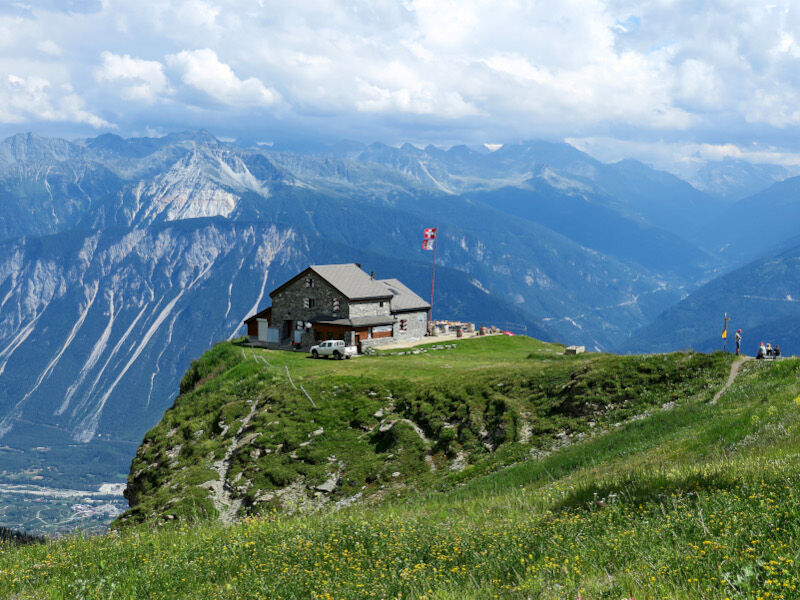
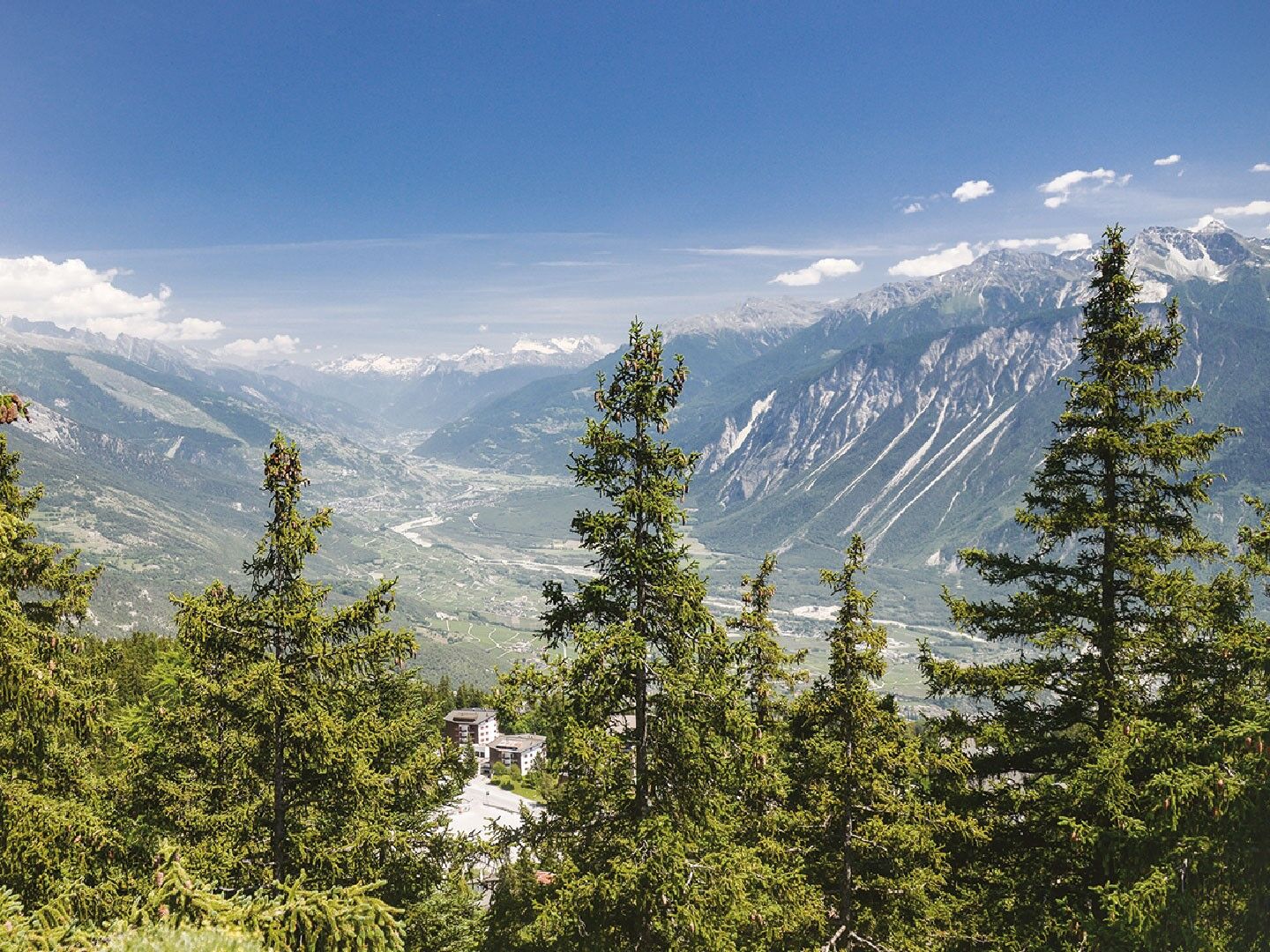

Cable car ascent to Cry d'Er - Cabane des Violettes - Pépinet - Arrival at Vermala
Da
Da
Good walking shoes.
The weather changes quickly at altitude; plan to bring appropriate clothing.
A section with footbridges is not recommended for people prone to vertigo.
Follow the marked trails. Please respect the wildlife and flora: nature.
Check the weather conditions before your departure.
Crans-Montana Tourism & Congress declines all responsibility in case of accidents.
To reach Crans-Montana by car, take the A9 highway exit (Rhône highway) called "Sierre West." At the highway exit, turn left and follow the signs for "Sierre." At the roundabout, turn right. Continue for 500 meters, then at the entrance to Sierre, turn left towards "Crans-Montana." The journey takes about 20 minutes. Once in Crans-Montana, follow the signs to reach the cable car and Crans-Cry d'Er parking.
The Crans-Montana resort is accessible from Sierre station by the SMC bus company or the funicular, as well as from Sion station by postal buses.
Free shuttles from the SMC bus company serve the entire Crans-Montana resort.
The stop closest to the start of the hike is: Télé Cry d'Er.
Then take the cable lifts to the summit to reach the start of the hike.
Crans-Cry d'Er Parking
Address: Crans-Cry d'Er Parking, Route des Téléphériques, 3963 Crans-Montana
Paid outdoor parking: 390 spaces
Monday - Sunday: 07:00 - 20:00
For any other information: www.crans-montana.ch/rando
To see the marmots, you need to walk lightly, watch attentively, stay alert, and if possible, be silent. If you suddenly see them run away, don’t worry, take the time to sit comfortably and wait patiently for about three to five minutes, and you will see a small head peeking over a green tuft. Further on, on a rock, a sentinel resumes its watch. The young ones, having found the wait far longer than you, resume their play. Small lightweight binoculars (30 mm with a magnification of 7 or 8 times) are ideal. Also avoid small plastic wrappers that make noise when you unwrap your snack.
Pridobite vpogled
Vedno v živo na mestu z več kot 9.500 spletnimi kamerami. bergfex Kot uporabnik Pro si lahko zdaj ogledate ustrezne spletne kamere za številne izlete v aplikaciji izleti iz. Tako si lahko neposredno ogledate trenutne razmere.
Priljubljeni izleti v okolici
-
5.0
Bisse du Ro
svetlobaPohodništvo 11.2 km -
4.2
Grand Bisse de Lens
svetlobaPohodništvo 8.73 km -
4.7
Leukerbad - Gemmipass - Lämmerenhütte
srednjaPohodništvo 9.49 km -
4.0
Gemmipass - Lämmerenhütte - Rote Totz Lücke - Daubensee - Gemmipass
srednjaPohodništvo 13.7 km -
5.0
Torrenthorn- Rigi der Walliser Alpen
Pohodništvo 2.99 km -
Zu den Engstligenfällen
srednjaPohodništvo 8.06 km -
5.0
Klettersteig Daubenhorn
težkoVia ferrata 5.34 km -
Gratweg
Via ferrata 5.16 km -
4.3
Adelboden, Engstligen Alp and Engsligen Grat
srednjaPohodništvo 15.1 km -
4.0
Wolfstritt
Pohodništvo 7.02 km
Pohodništvo in sledenje

Ne zamudite ponudb in navdiha za naslednje počitnice
Vaš e-poštni naslov je bil dodan na poštni seznam.