





Occitan Routes: Stage 12 Borgata Arata - Borgata Palent
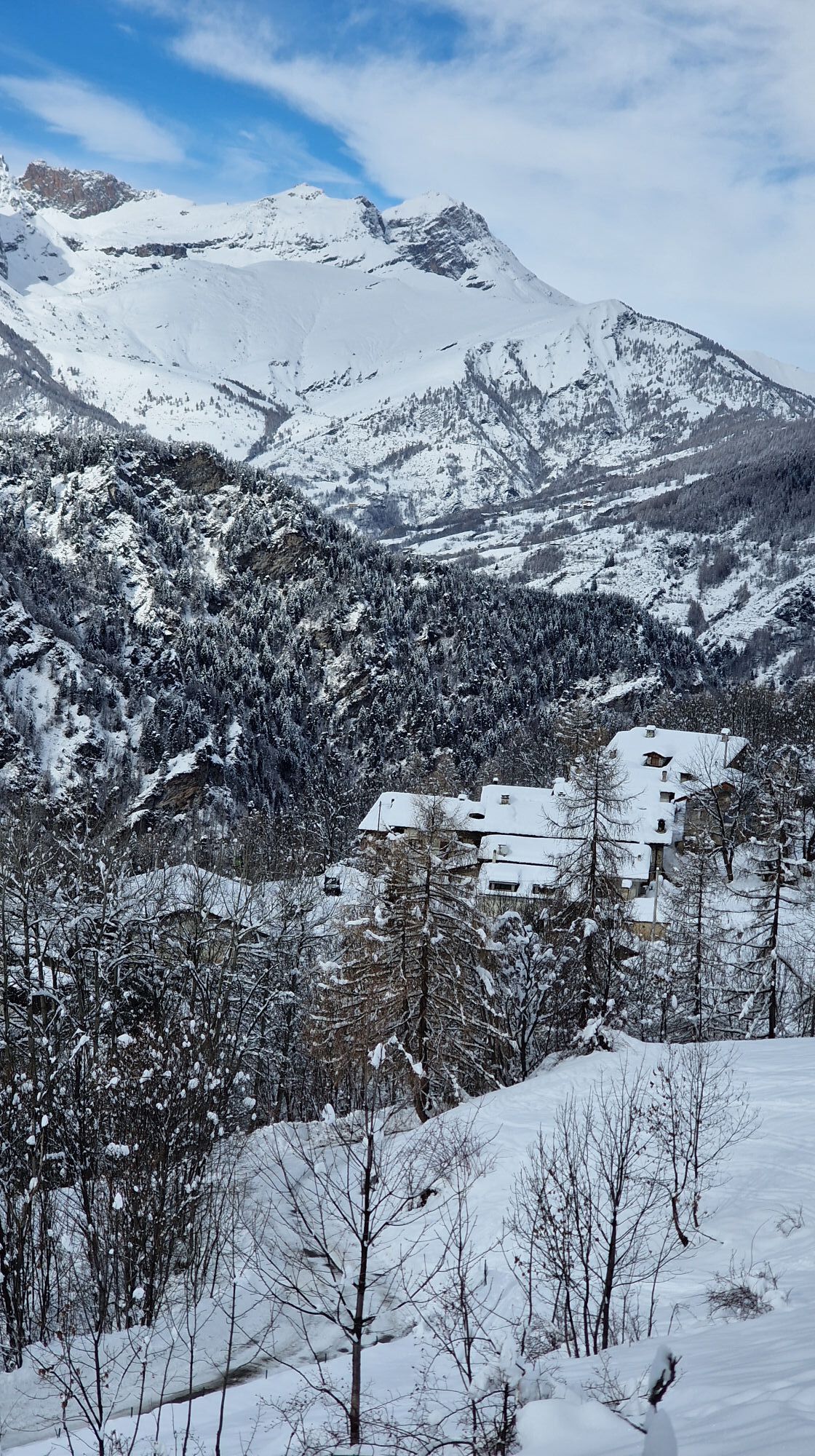
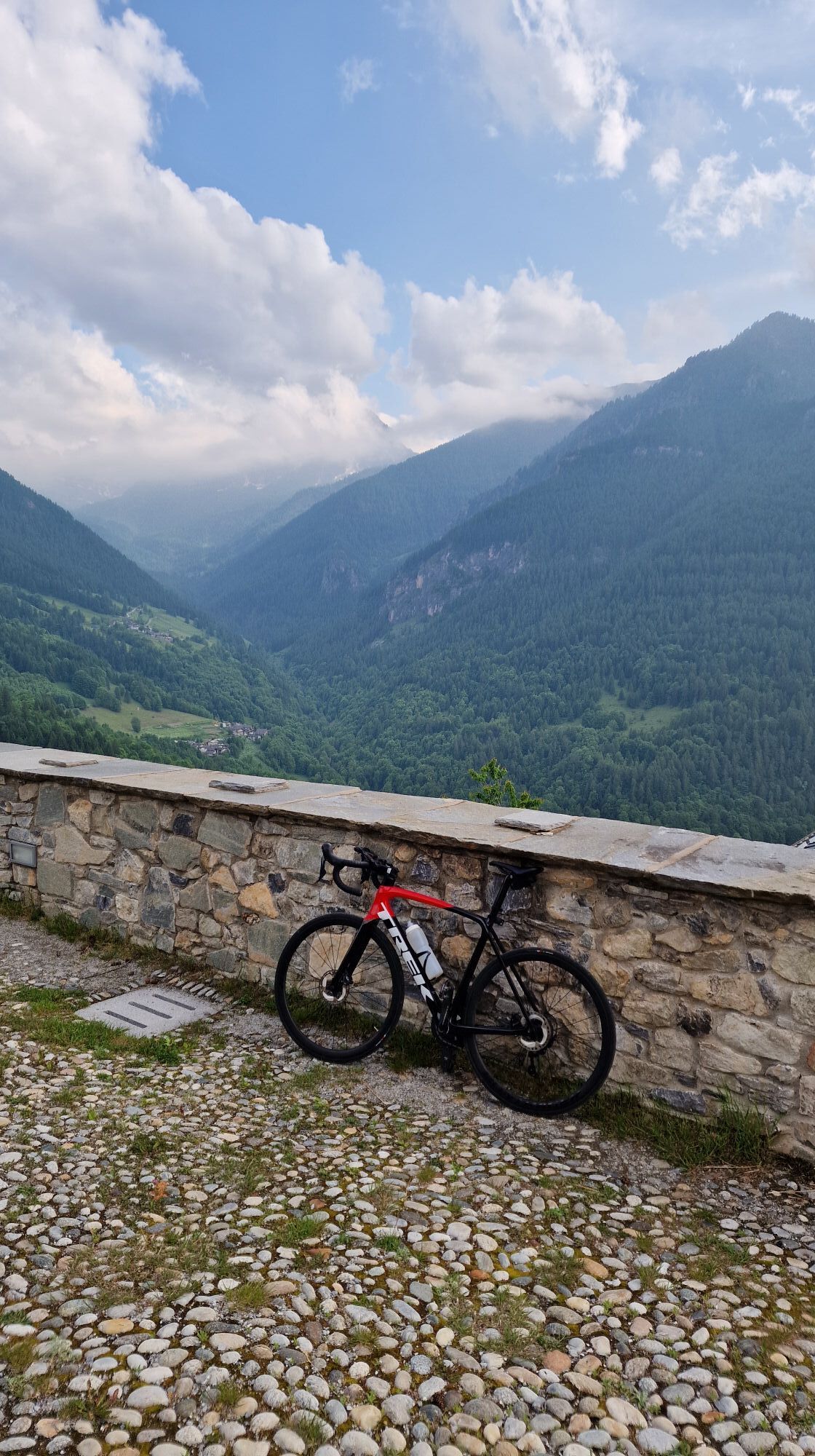
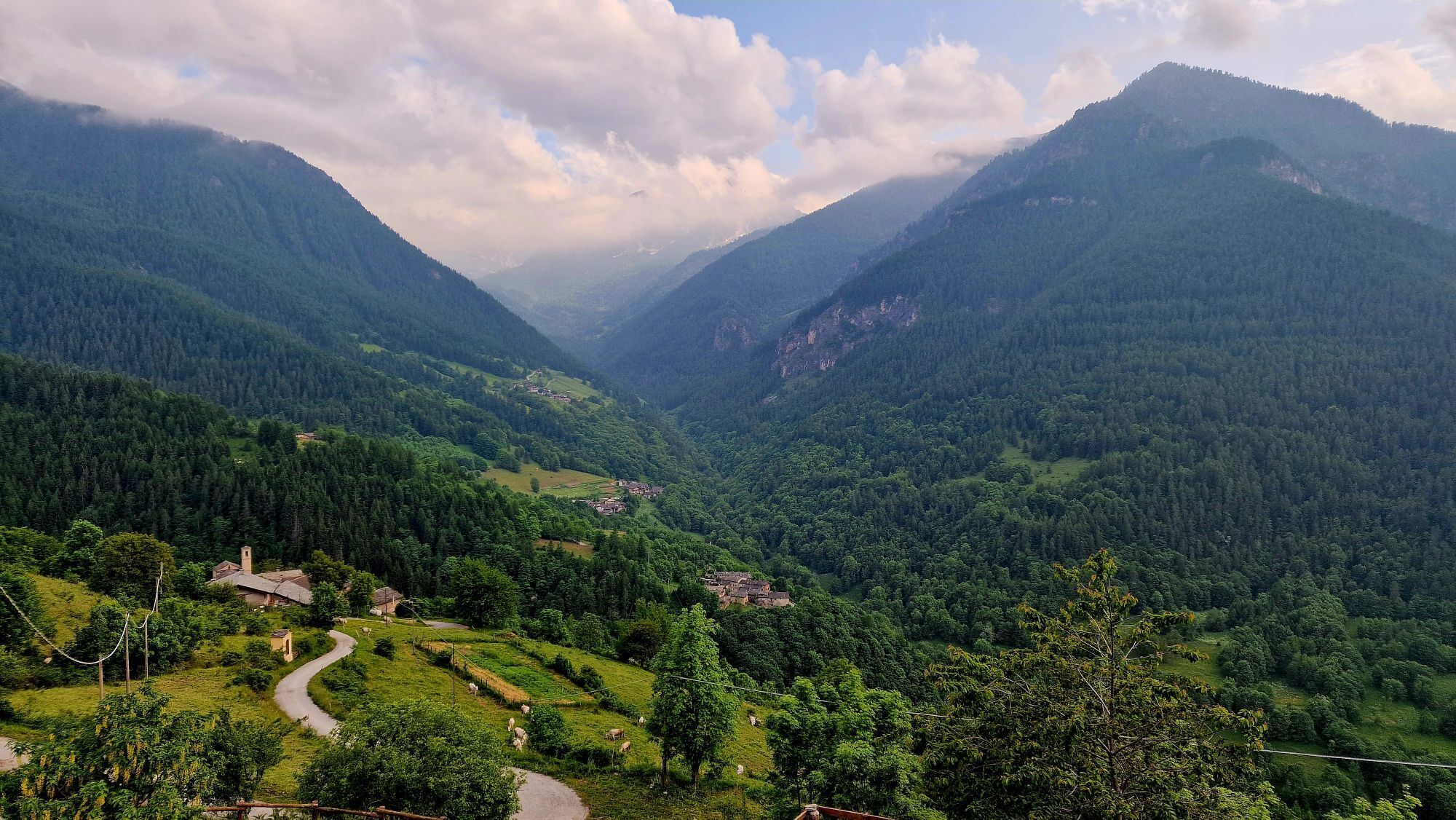
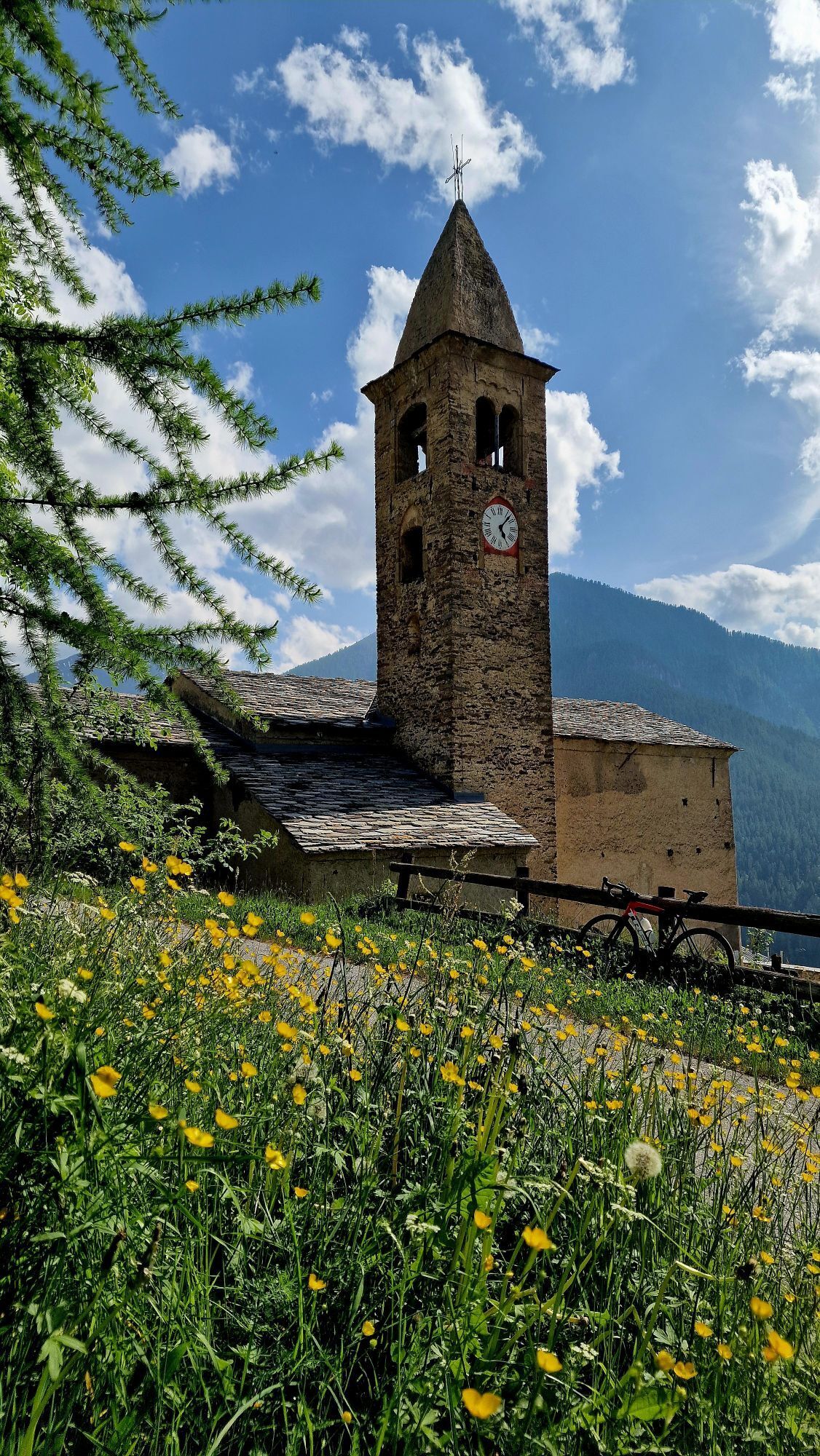
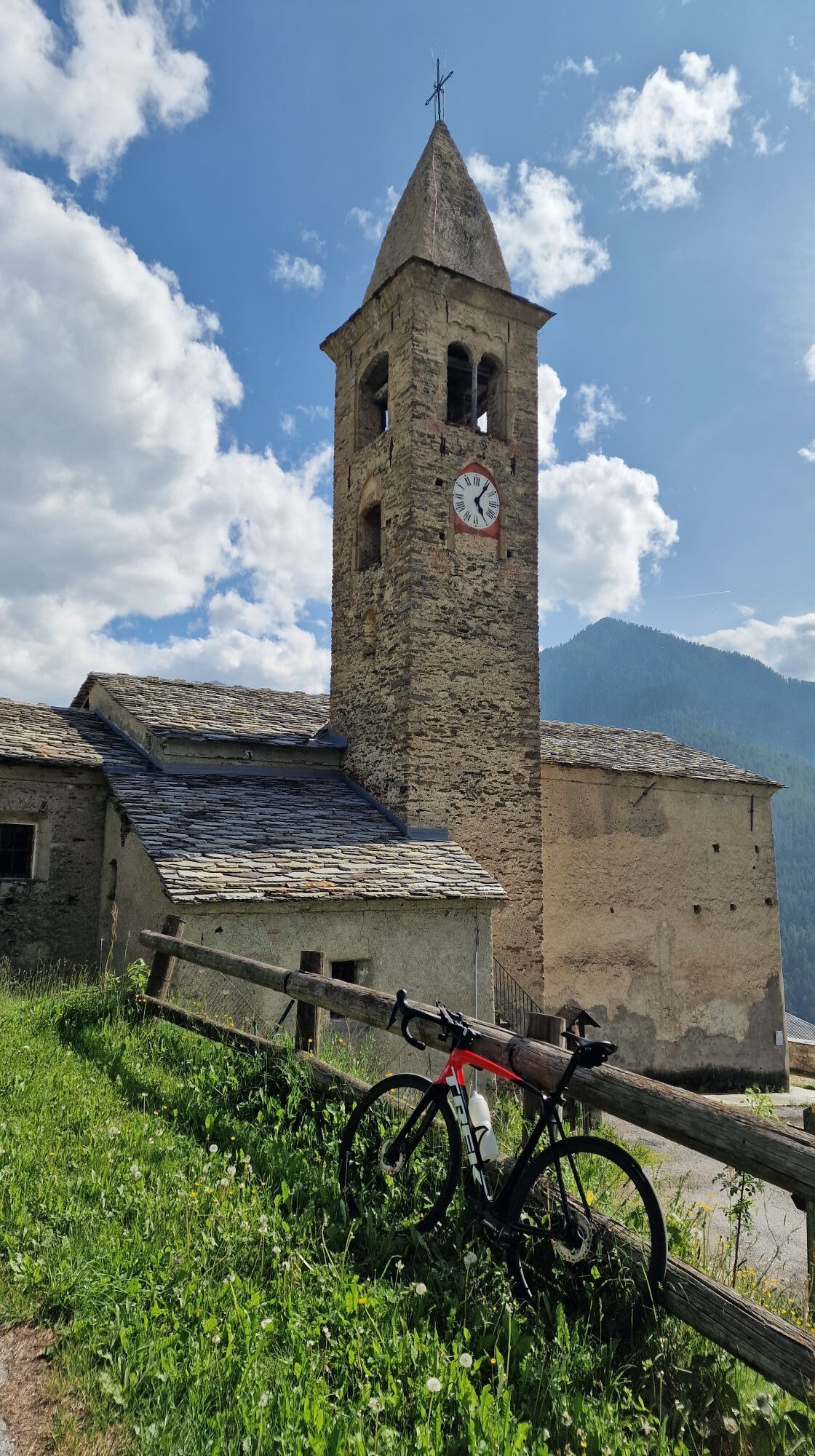
The twelfth stage reaches, uphill, Parish of Marmora hamlet (1546 m) with the ancient church of San Massimo that houses, outside, the last frescoes by Tommaso Biasacci (XIV-XV century), memory of the late...
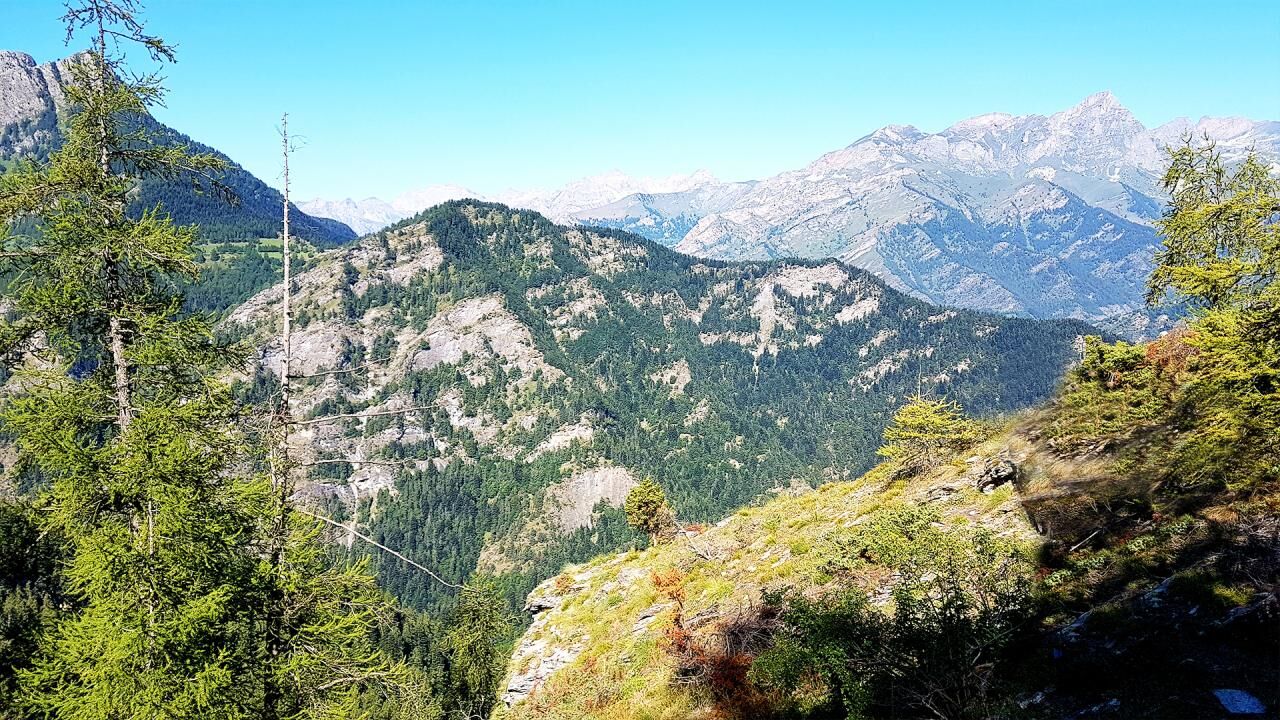
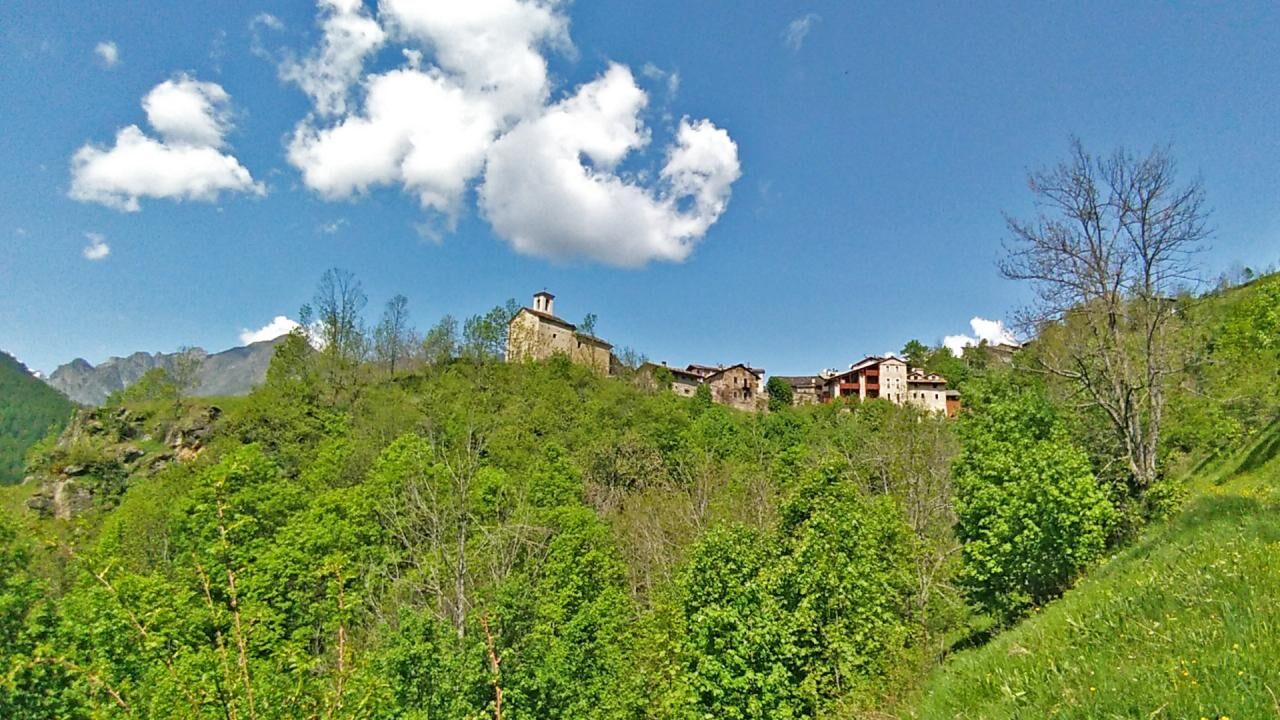
The twelfth stage reaches, uphill, Parish of Marmora hamlet (1546 m) with the ancient church of San Massimo that houses, outside, the last frescoes by Tommaso Biasacci (XIV-XV century), memory of the late Middle Ages and a Gothic bell tower. A little further on, near the upper hamlet, leave the asphalt and take what is known as the "Napoleonica": a long hillside path that cuts the slopes of Mount Buch in the shadow of thick mixed forest, reaches the Colli dell'Encucetta Inferiore (Lower) (where you must avoid the deviation on the left for Stroppo Bassura) and Superiore (Upper) and arrives at Albaretto, an ancient village that today belongs to Macra. Downhill on a comfortable forest track you reach Palent (1479 m), a characteristic village nestled in the Comba d'Aramola, known for the cultivation of medicinal herbs for the production of liqueurs.


Copertura cellulare
Vodafone 95%
Marmora è raggiungibile con mezzi propri o con il servizio taxi 24/24 con trasporto bagagli attivo tutto l&039;anno (Sherpabus) 348 8231477 -
Macra è raggiungibile anche con autobus di linea in partenza da Cuneo capoluogo www.benese.it/orari-bus.
www.benese.it/orari-bus
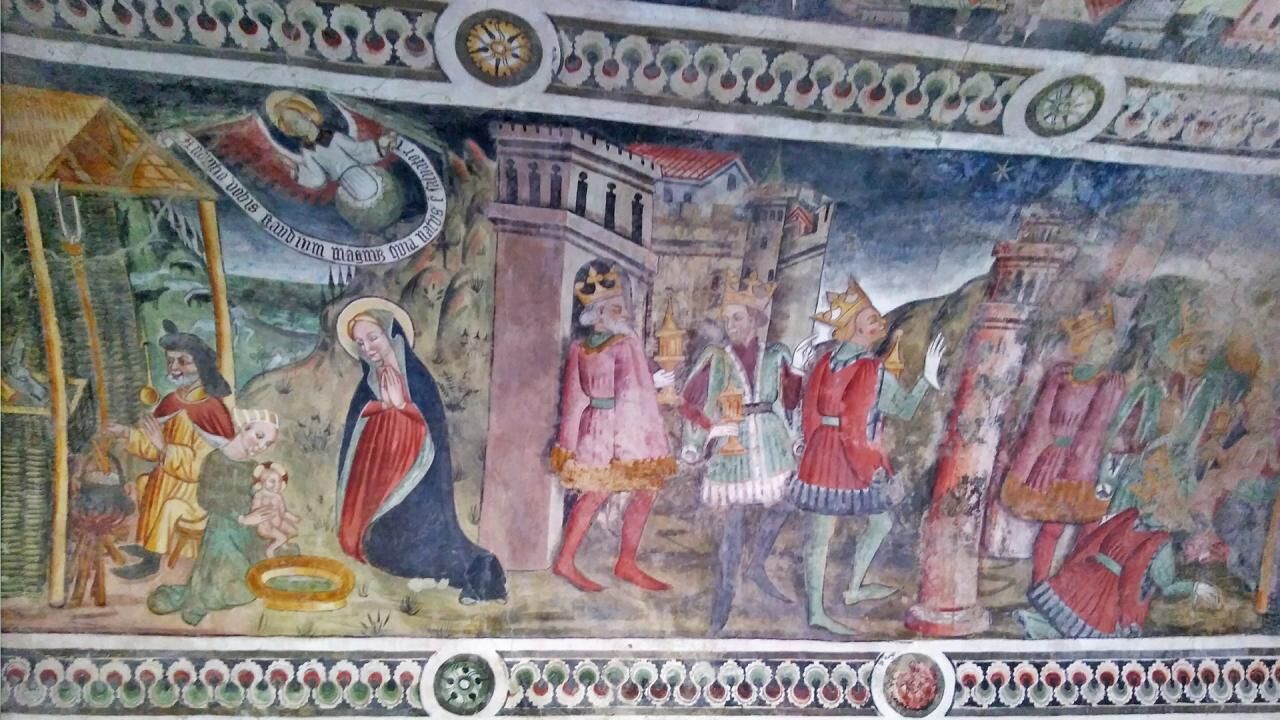
Chapel of San Sebastiano (Marmora) 1450: the chapel was painted inside at the end of the fifteenth century by Giovanni Baleison di Demonte, working between Piedmont, Liguria and France. The magnificent frescoes depict the story of Christ's childhood, from the nativity to the adoration of the Magi, with scenes taken from the apocryphal Gospels such as the miracle of the grain during the flight into Egypt. The representation of the nativity is singular: a familiar scene in which Mary assists the midwife Zachele who is intent on washing the Child in a basin, while Joseph heats the soup on the fire, to symbolize his protection towards the family, but also his extraneousness to the mystery of the birth of Christ. The moments in the life of San Sebastiano were then frescoed, a Roman soldier at the court of Diocletian who converted to Christianity and was sentenced to death for having helped Christian prisoners Mark and Marcellinus: according to tradition, he is represented pierced by arrows, just as he was martyred , and is the patron saint of the plague. Outside, in addition to the typical bell gable, two frescoes are still visible on the façade representing San Cristoforo and San Bernardo da Mentone, with the chained devil, symbol of victory over temptation.
Priljubljeni izleti v okolici
-
4.5
Acceglio, bric boscasso
srednjaSmučarska tura 12.1 km -
4.0
Historic Mountain Routes | Cannon Road
težkoMountainbike 43.2 km -
5.0
Rocca le Meja - Valle Maira
težkoVisokogorska tura 19.8 km -
5.0
Occitan routes: Stage 6 Elva - San Michele di Prazzo
srednjaPohodništvo 11.5 km -
Gardetta Bike Emotions
srednjaMountainbike 13.5 km -
San Giacomo-Colle Valcavera
srednjaCestno kolo 13.2 km -
5.0
Occitan Routes: Stage 8 Borgata Ussolo - Borgata Chiappera
srednjaPohodništvo 14.5 km -
5.0
Percorsi Occitani: Tappa 4 Frazione Camoglieres - San Martino Inferiore
srednjaPohodništvo 16.8 km -
5.0
Chiappera- Spaziergang
svetlobaPohodništvo 8.39 km -
3.5
Occitan Routes Stage 5 | San Martino Inferiore - Elva
srednjaPohodništvo 6.86 km
Pohodništvo in sledenje

Ne zamudite ponudb in navdiha za naslednje počitnice
Vaš e-poštni naslov je bil dodan na poštni seznam.