




MEDIEVAL ROUTE BETWEEN SÉRANNE AND SAINT-GUILHEM MOUNTAINS
From the gorges of the Hérault to the vineyard plain of the Hérault Valley, passing through the secret Buèges Valley, this medieval road trip off the beaten tourist paths will stir your heart. A journey...
A word from Caroline, deed manager, land acquisition service of the Departmental Council: "I love to gain altitude, discover vast spaces, and wander through small human-scale villages as if frozen a thousand years ago. The wind sometimes whistles through their cobbled streets or stone towers. Listen to it, it tells you the fascinating stories of medieval Languedoc, and more..."


1
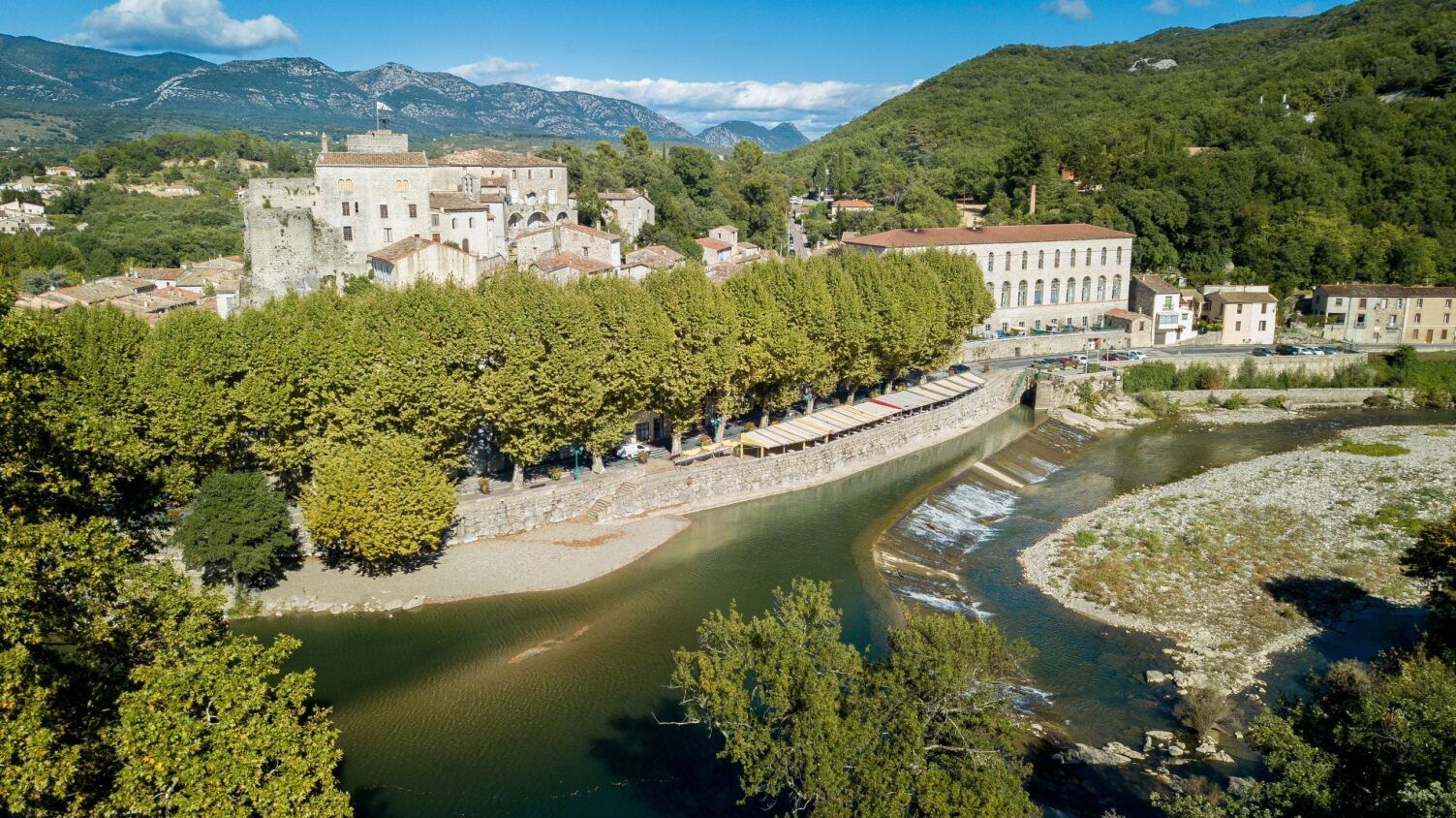
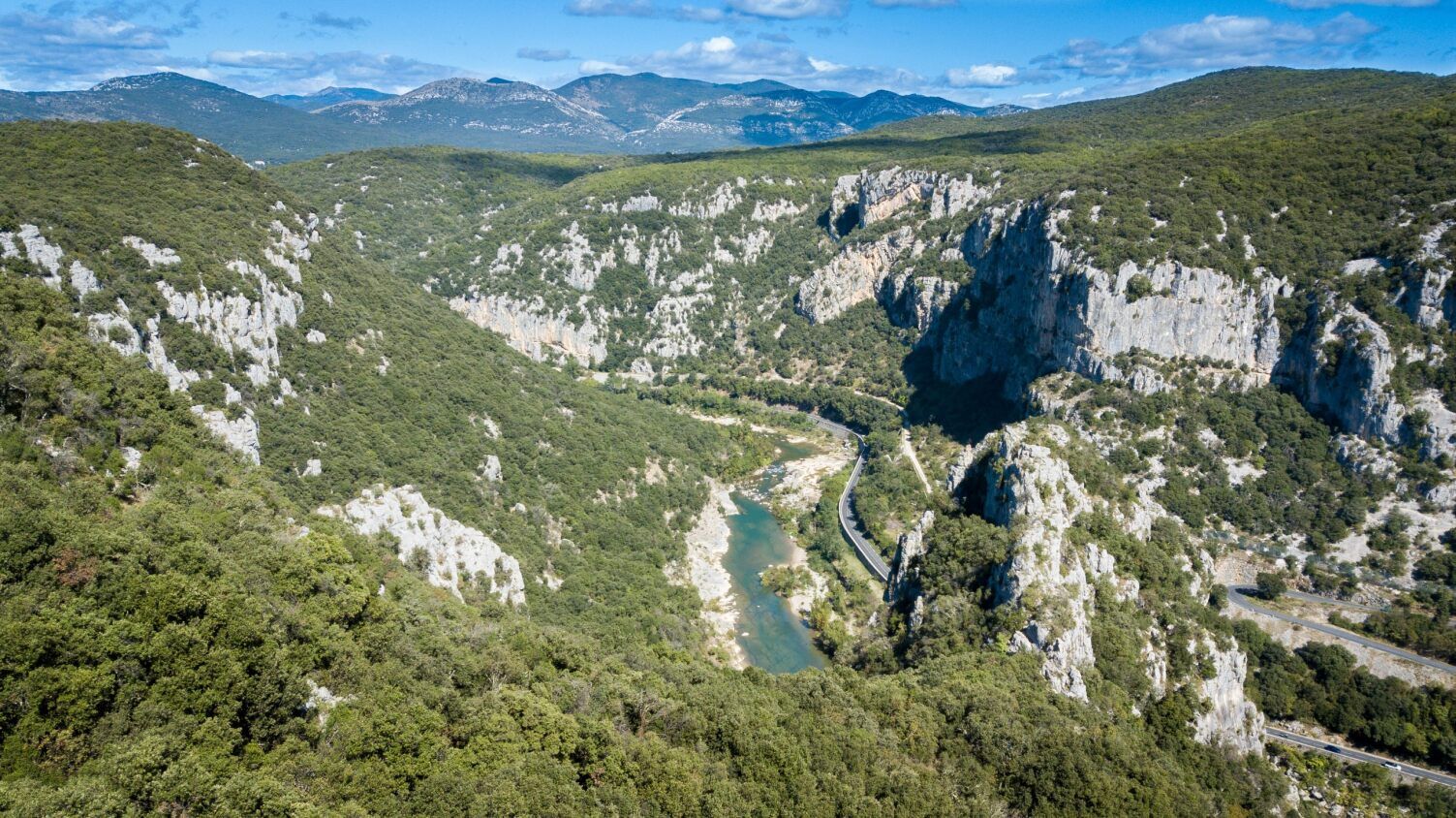
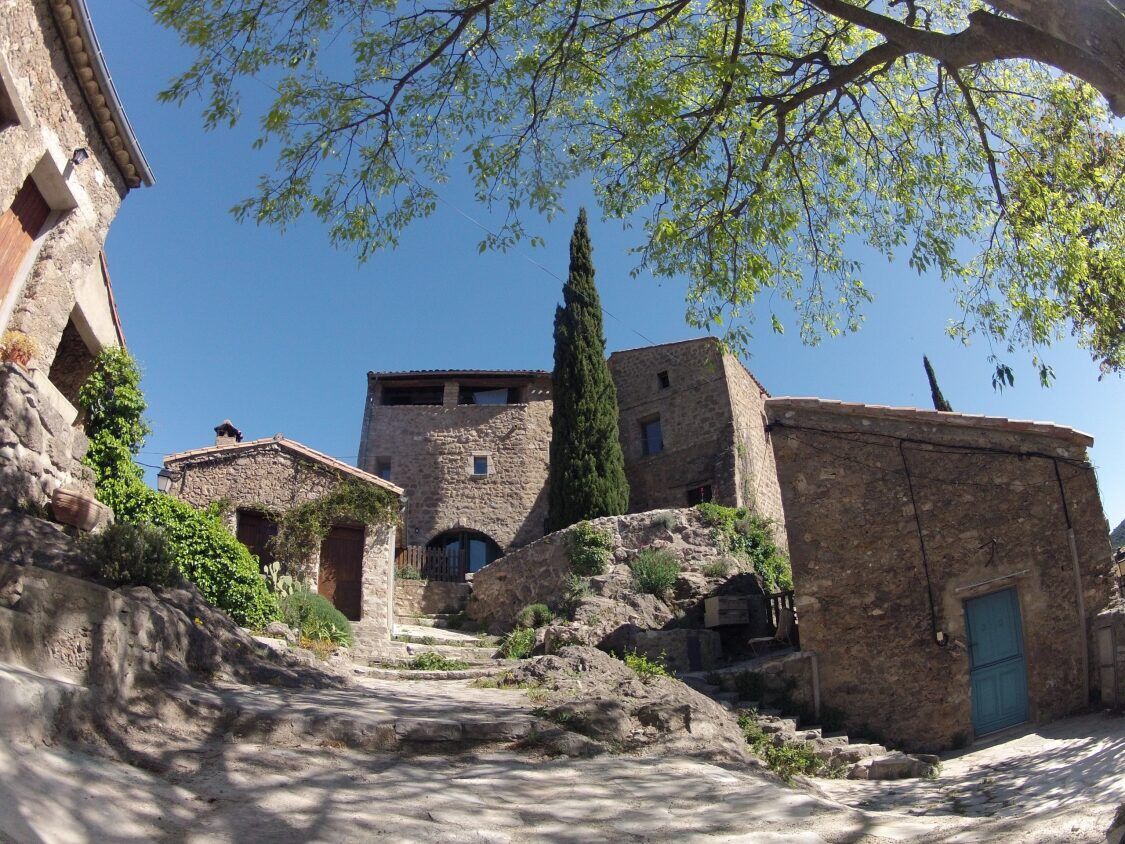
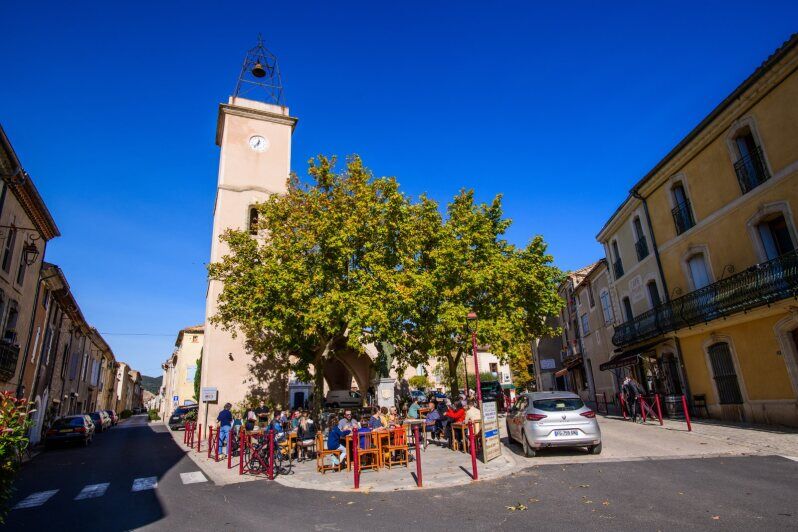
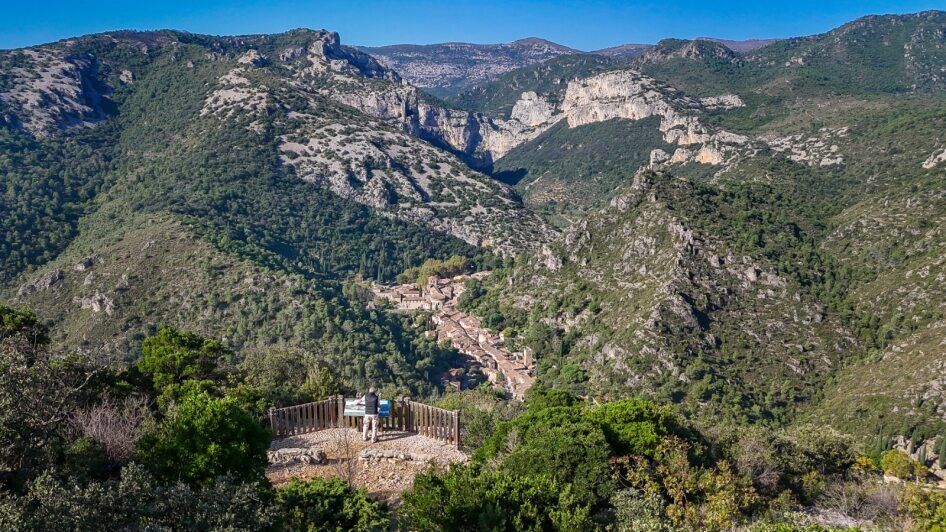
Laroque: At the foot of the Southern Cévennes! Looking for an escape that is both medieval and refreshing? Head to Laroque, at the foot of the Southern Cévennes and just out of the Hérault gorges. Perched on a rocky outcrop overlooking the Hérault River, this Small Fortified Town of Character has preserved many traces of its strategic importance and medieval architecture. Let the journey begin... Rue du Chemin Neuf along part of the rampart... A gap, Rue du Serpent? Slip through until you reach the soul of the village, the castral chapel Saint-Jean (11th century) where parish worship was once held during troubled times and religious wars. Know that you are here in the heart of the old feudal castrum protected by a high enclosure where lords, knights, servants lived... A step into Rue du Coulet Saint-Jean? Perfect, it leads you to a surprising gallery built on the ramparts... All around, narrow cobbled streets and Romanesque houses with stone facades. But above all, the lordly residence, the main building (12th and 13th centuries) and the remarkable donjon-tower (10th century). The 360° panorama of the entire hinterland from its 27-meter peak is spectacular! Take a look at the Romanesque church Sainte-Marie-Madeleine, silent witness to the floods of the Hérault, and your discovery of Laroque will be complete! Did you notice it? At the southern entrance of the village stands an exceptional remnant of 19th-century industrial prosperity: an imposing silk spinning mill built in 1838 by the Valmalle brothers. The inhabitants sold silkworm cocoons whose threads were destined for the village and regional hosiery workshops. In operation until 1888, it later became a lime factory. The cool break: Just opposite Laroque, on the right bank of the Hérault River, the Departmental Estate of Fesquet offers freshness and greenery. In the shade of ash and plane trees, it is perfect for relaxation or picnics. It is also equipped with a fitness trail. Activities for all adventurers!: The Southern Cévennes, the Hérault gorges, the Thaurac massif... fantastic spots for all adventurers and the curious seeking thrills. I recommend the Thaurac plateau hike, a paddleboarding or canoe session on the Hérault, and finally, for adrenaline lovers, exploring the Eure cave with a lantern followed by a 10-meter rappel down a shaft... There is something to satisfy every desire!
2
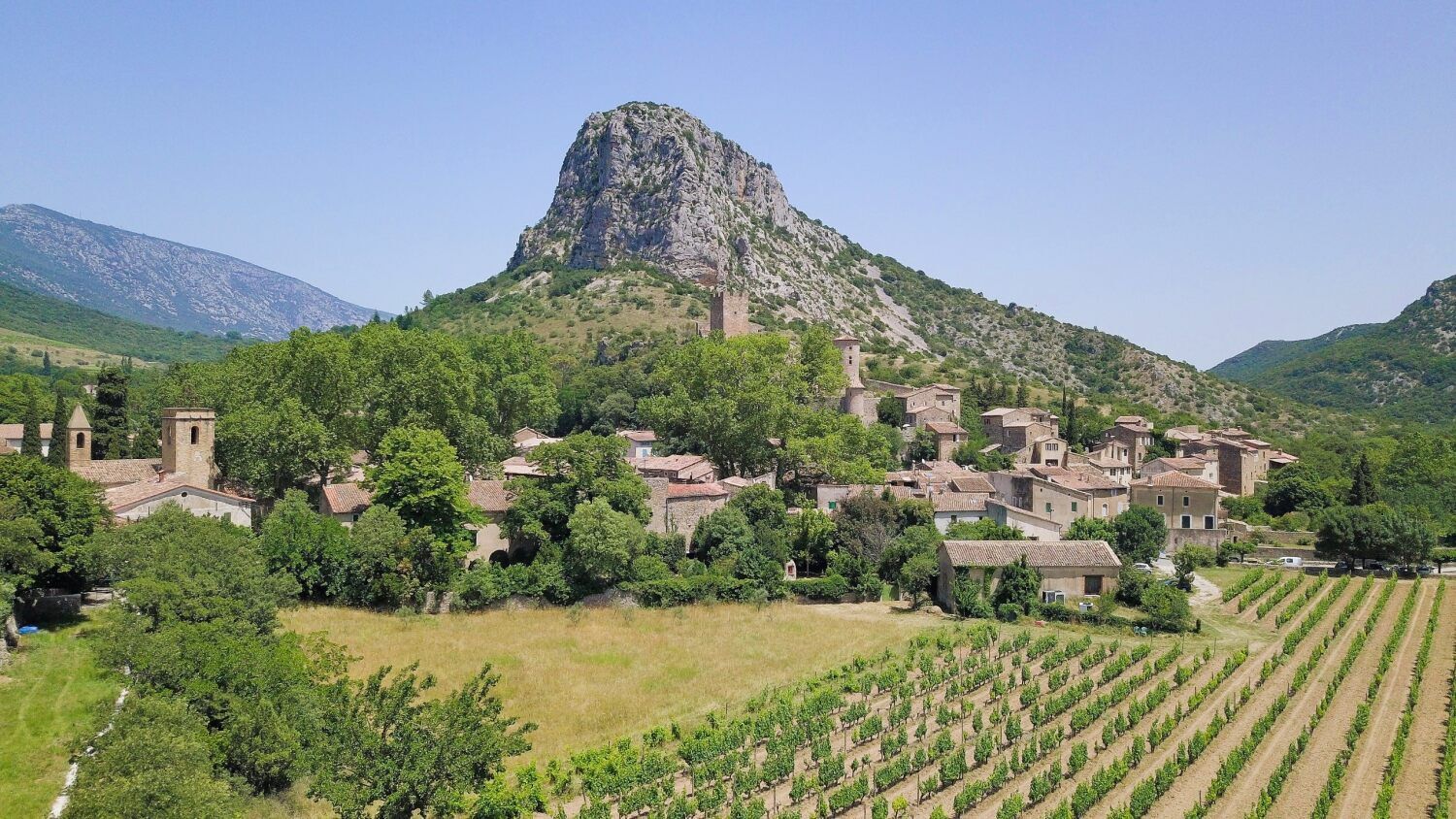
Saint-Jean-de-Buèges: In the heart of the bucolic Buèges Valley! After a small detour through Ganges and a short leap over the Hérault, follow the road leading you to a discreet and bucolic valley, the Buèges Valley... Here, in its green heart dotted with vineyards and olive trees, lies the medieval village of Saint-Jean-de-Buèges. Enclosed between the Séranne mountain and the Roc de Tras Castel, a large gray and ocher limestone rampart, it is well protected, believe me! The Baulx castle with its square donjon (12th century) also proudly guards from its rocky outcrop. A short walk starting from Rue du Château, and you will appreciate overlooking this former lordship dependent on the barony of Pégairolles. From there, surely, the landscapes will inevitably catch your eye... From the winding alleys at the foot of the castle to the straighter streets of the village, across the Garrel stream, and here you are at the doors of the Nativity Saint-Jean-Baptiste church. Built in the style of early Languedoc Romanesque art, it inspires serenity. Not pressed for time? Head leisurely towards the shaded banks of the Buèges, this sparkling river with fresh and clear water. A true natural delight! The Buèges Valley seen by Carnets de Rando: "Whether you look at it eye-to-eye or from the heights of the Séranne cliffs, the Buèges is definitely the little unknown gem of the Hérault department. A rich and welcoming valley, vertical mountainous reliefs, a surprising watercourse bathed in a magical atmosphere, and finally, charming villages of character..." Continue exploring Buèges with Carnets de Rando in reading and video Underground or in the air?: A speleology fan? Don't worry, near Saint-Jean-de-Buèges, the Garrel cave will captivate you. My advice? Go with a companion to explore this technical and sporty cave with beautiful narrow passages. Climbing is your credo? Good news, Roc du Tras Castel is a designated site (68 routes). It promises great climbs on several sectors. A perfect setting for multi-pitch and sport climbing. My casual recommendation: Do you like rustic, no-frills inns? Head to the Bar du Château in Saint-Jean-de-Buèges! Aubrac beef from Puech Séranne, Brissac sausage, or Buèges trout... it's local, hearty, and tasty.
3
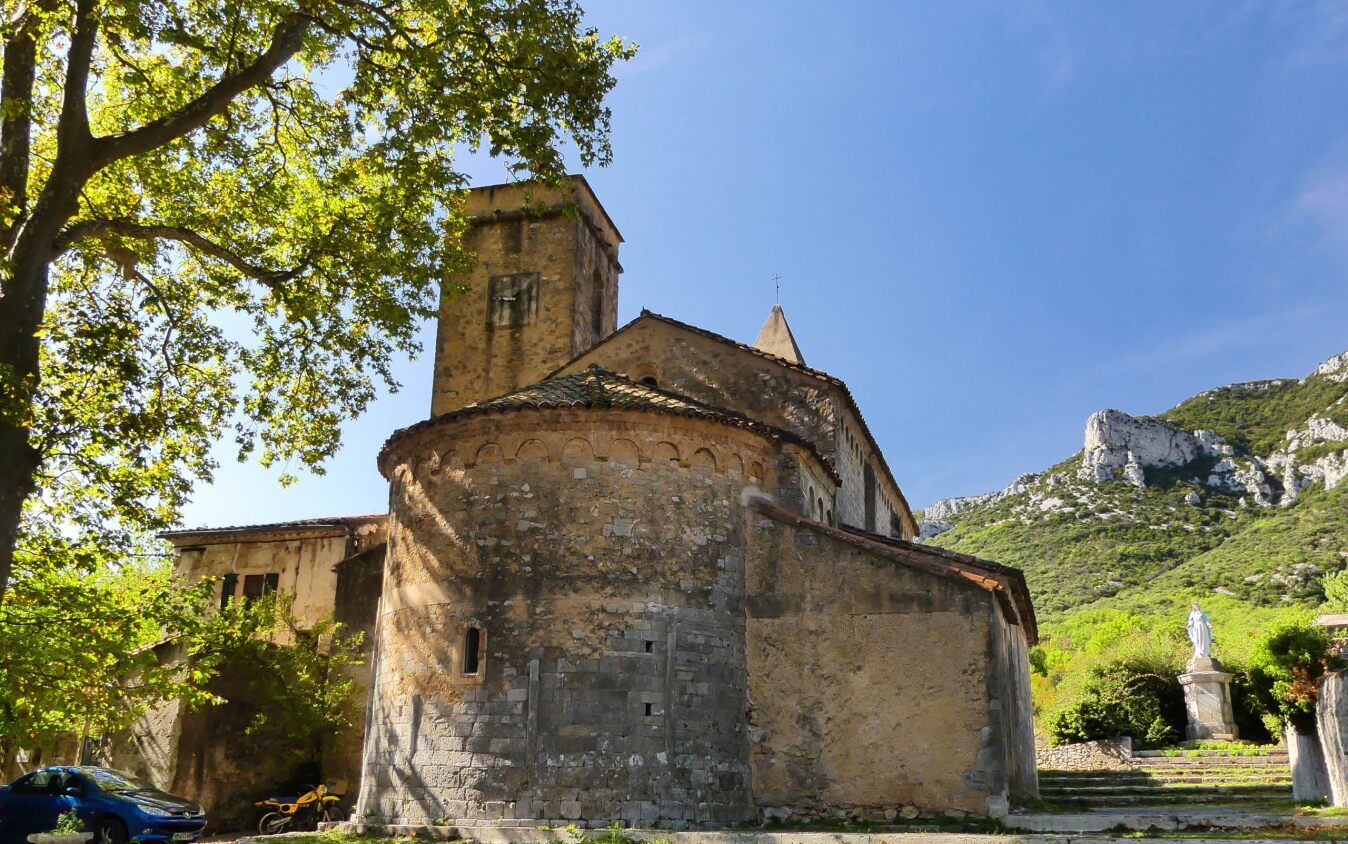
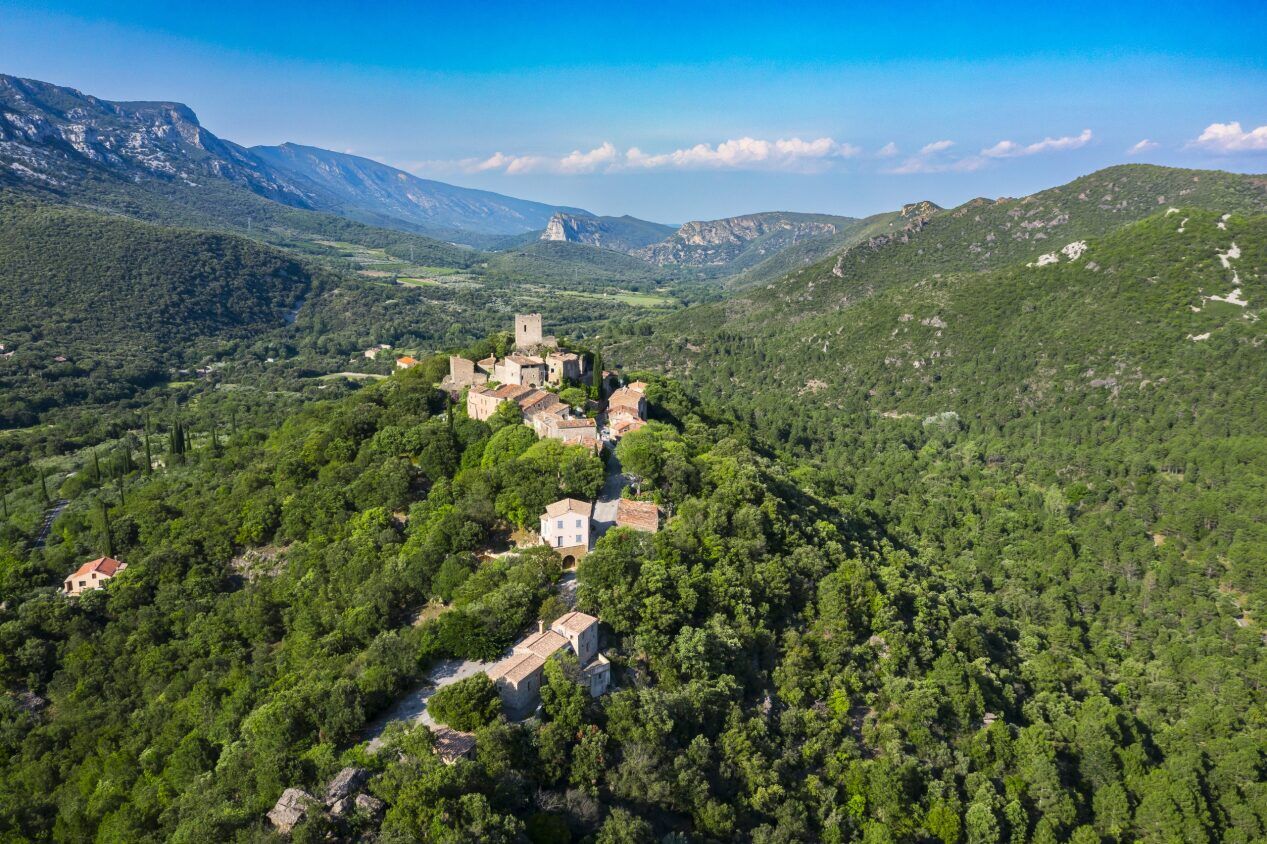
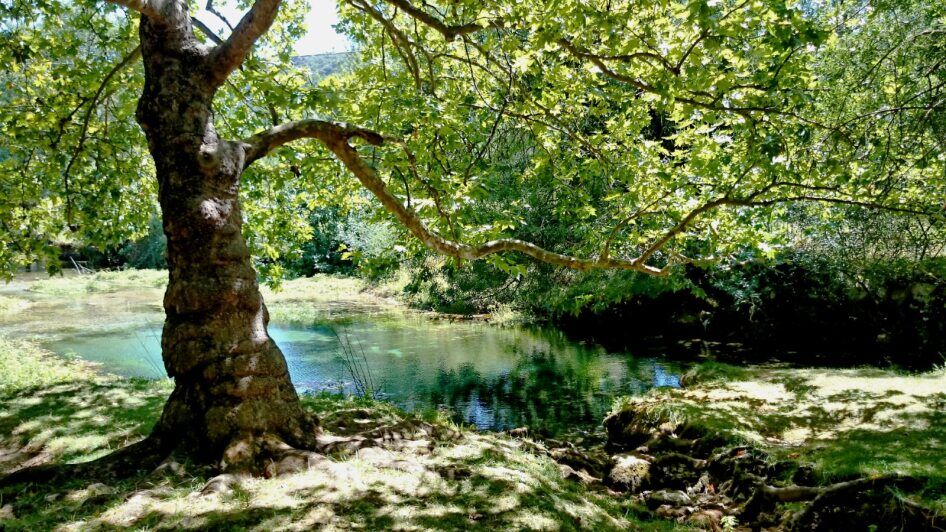
Pégairolles-de-Buèges: Village perched in the shadow of Séranne! Further on is an old village where time seems to have stopped forever, Pégairolles-de-Buèges. One cannot resist its old-world charm! Proudly perched on a rocky outcrop overlooking the Buèges Valley, the medieval village clustered around its castle - of which only some wall sections and a tower remain - offers a magnificent balcony on the Séranne mountain on one side and the Causse-de-la-Selle on the other. This vastness draws the gaze lost afar among rocks and woodland... Satisfy your desire for space and elsewhere by heading to the village’s main street. Little by little, by a small staircase, you reach the former castral chapel Notre-Dame (12th century), now a parish church, whose apse once served as a defense tower. You'll see, it is located at the foot of a square donjon, a remnant of the old fortress. Take your time! Climb the steps, like in Cannes, and stroll through the winding cobbled streets that curve and unfold following the rock... Here, remains of ramparts, there a small square on the ancient patrol path... A little architectural gem decorated with stones shining brightly! The source of the Buèges, a must-see!: The Buèges springs from the Méjanel hamlet, near Pégairolles-de-Buèges. It emerges from the Séranne massif after an underground journey. Its clear water with turquoise color adds to the magic of this lush place. In the shade of plane trees, it offers a perfect picnic spot. Swimming is prohibited. Franck Vasseur, speleologist and professional diver, describes his exploratory dive in the Buèges source Hikes with a capital H: Two beautiful sporty hikes cross the Méjanel hamlet and wind through Séranne: La Séranne Pontel (18 km - 695m elevation) and Peyre Martine (17 km - 1031m elevation). Experienced hikers seeking adventure, these are for you! Lights, camera, action!: Did you know the French TV series "L'Or du diable" dedicated to the Rennes-Le-Château mystery and featuring Jean-François Balmer (as Abbé Saunière), Michel Aumont, and Arielle Dombasle, was filmed in 1989 in natural settings at Pégairolles-de-Buèges?
4
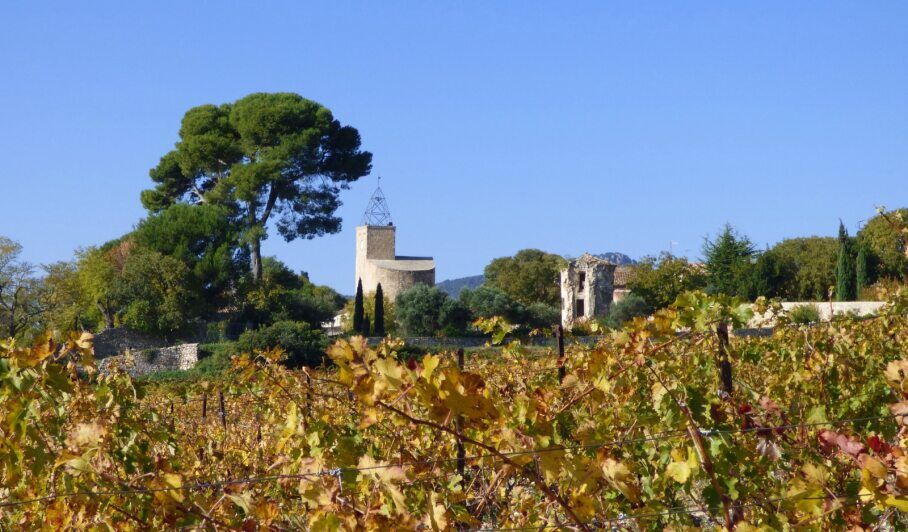
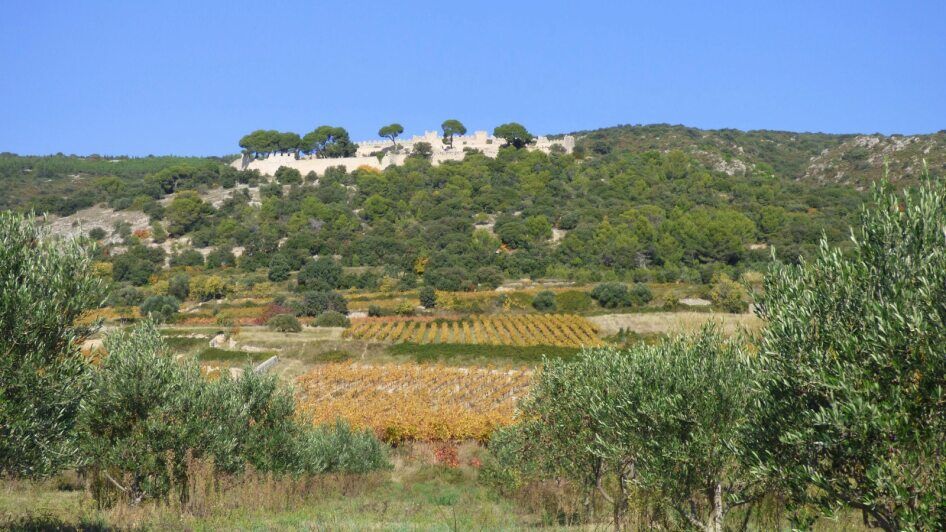
Montpeyroux: Street-village at the foot of the Castellas! Leaving Pégairolles? Continue your journey via the Lavagnes pass to reach your next destination, Montpeyroux. Sometimes narrow and winding, the road climbs and descends, but the scenery is of wild beauty! Many know this street-village for the quality of its wines, but few for its medieval heritage. And yet... Its Castellas, perched on Rocher des Vierges and founded by a descendant of Saint-Guilhem, has stood there since the year 1070 and certainly deserves a detour, if not a walk. My advice? Park at the entrance of the Barry hamlet located on the village outskirts. Cross it and enjoy the peaceful atmosphere. Here, time works quietly and demands discretion... Once past Saint-Martin church and its tower from another era, then the Peyrou well, the path opens to gradually ascend to the Castellas, partially destroyed by the English in 1384 during the Hundred Years' War... From its very extensive fortified walls with almost intact crenellation, the panorama is splendid! It overlooks the vineyard plains of the Hérault valley, with Montpeyroux vineyards in the foreground, then those of Saint-Saturnin. Access to Montpeyroux Castellas: For safety reasons, the Montpeyroux Castellas site is not open to the public. You can admire it from a little higher or walk along its walls. For information about site opening dates or special events, consult the Saint-Guilhem-Le-Désert / Hérault Valley Tourist Office. Œnorando or Géorando, your choice!: Numerous hiking circuits wind around the Castellas, which lies at the very heart of the Terres d'Hérault Geopark. What could be more natural than to follow its Géorando! The vineyard stretches endlessly? In that case, head for the Œnorando® of Castelbarry - between vineyards and olive trees. A short and easy route, with a must-stop at Castelbarry, the artisanal and committed cooperative cellar of Montpeyroux, part of the wine tourism destination "Languedoc, Heart of Hérault" labeled Vineyards & Discoveries. A historical note: Between Grands Causses and alluvial plain, Montpeyroux has always been a crossroads for trade and communication routes traveled by muleteers, transhumant shepherds, and pilgrims going to Compostela.
+33 4 67 81 01 72
Ganges Tourist Office
Priljubljeni izleti v okolici
- 5.0
DRAILLES HIKE
svetlobaPohodništvo 7.16 km CIRQUE DE NAVACELLES AND MOULINS DE LA FOUX HIKING TRAILS
srednjaPohodništvo 9.29 kmRAVIN DES ARCS HIKE
srednjaPohodništvo 3.83 km- 4.0
CYCLE LOOP No.4 - THE HÉRAULT GORGES AND THE COL DES LAVAGNES
srednjaKolesarjenje 53.3 km HIKING OF THE FENESTRETTES
srednjaPohodništvo 10.4 kmRANDONNEE DE PEYRE MARTINE
srednjaPohodništvo 15.4 kmNAVACELLES HIKE - CAUSSE AND VIS GORGES
srednjaPohodništvo 19.6 kmHIKE OF NOTRE-DAME-DU-LIEU-PLAISANT
srednjaPohodništvo 11.1 kmHIKING OF THE BALCONIES OF THE HERAULT
srednjaPohodništvo 17.9 kmMONT SAINT-BAUDILLE HIKE
srednjaPohodništvo 10.4 km
Pohodništvo in sledenje

Ne zamudite ponudb in navdiha za naslednje počitnice
Vaš e-poštni naslov je bil dodan na poštni seznam.