



Wasser-Radlwege Oberbayern: Art and Culture Loop
Stopnja težavnosti: 4
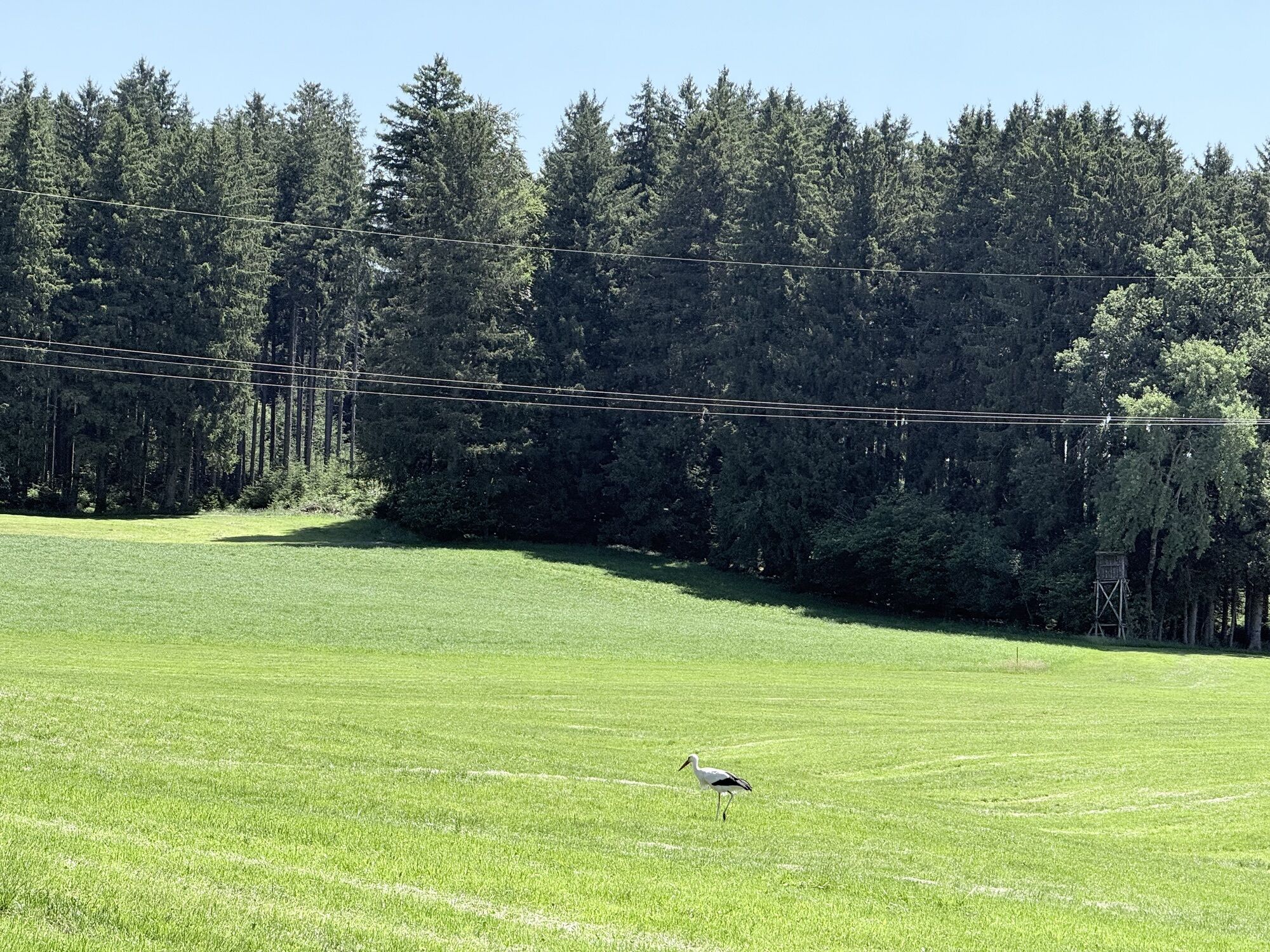
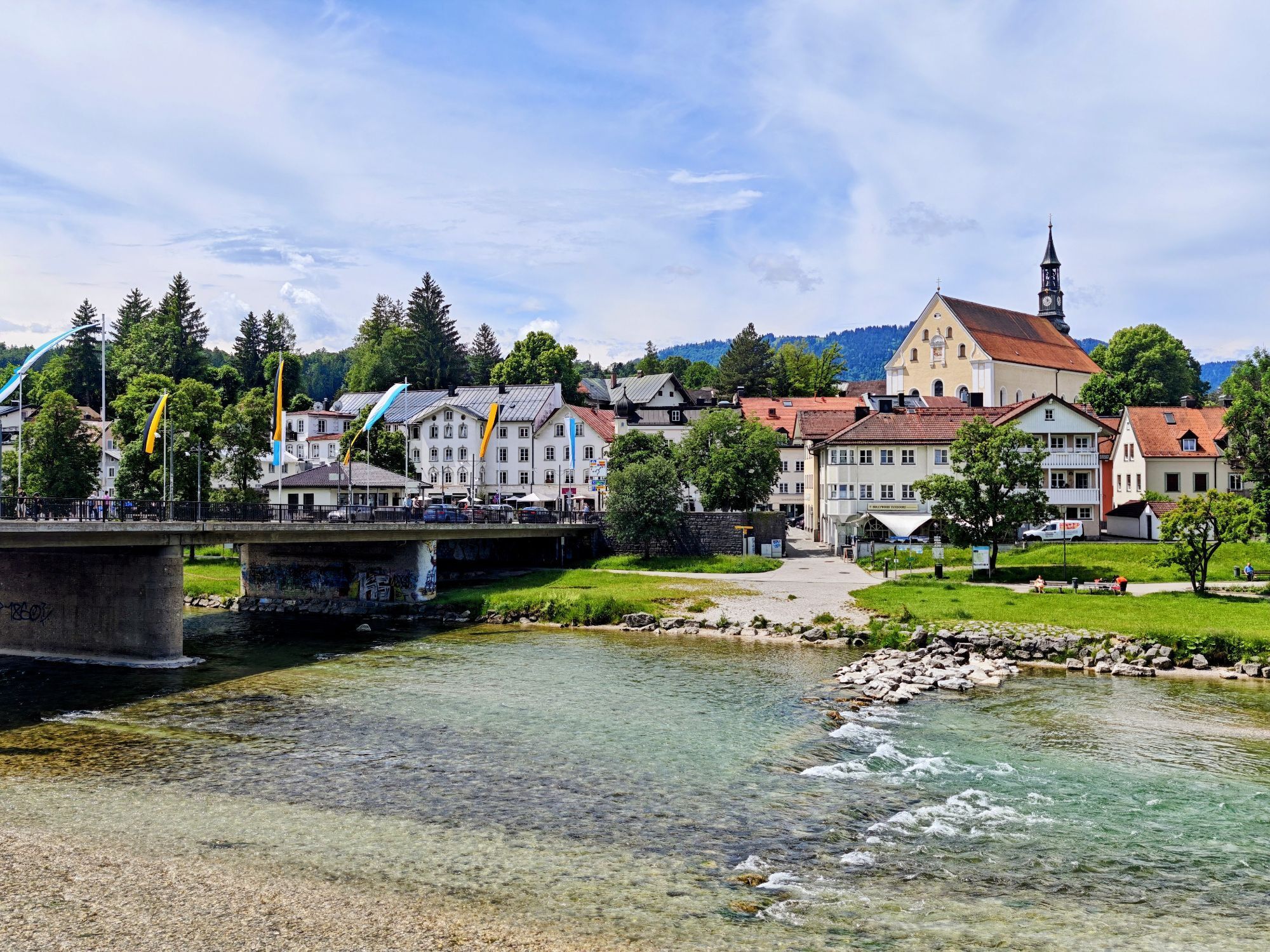
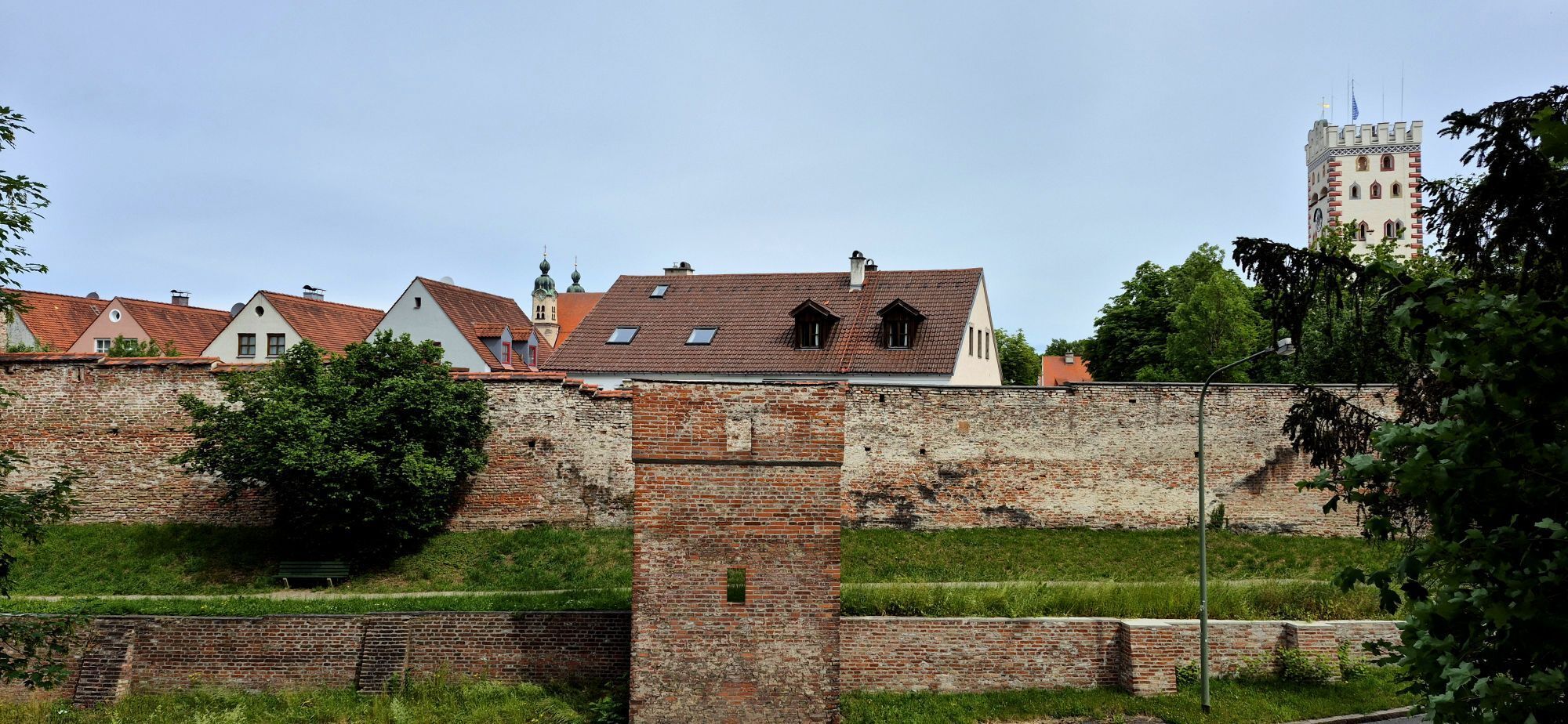
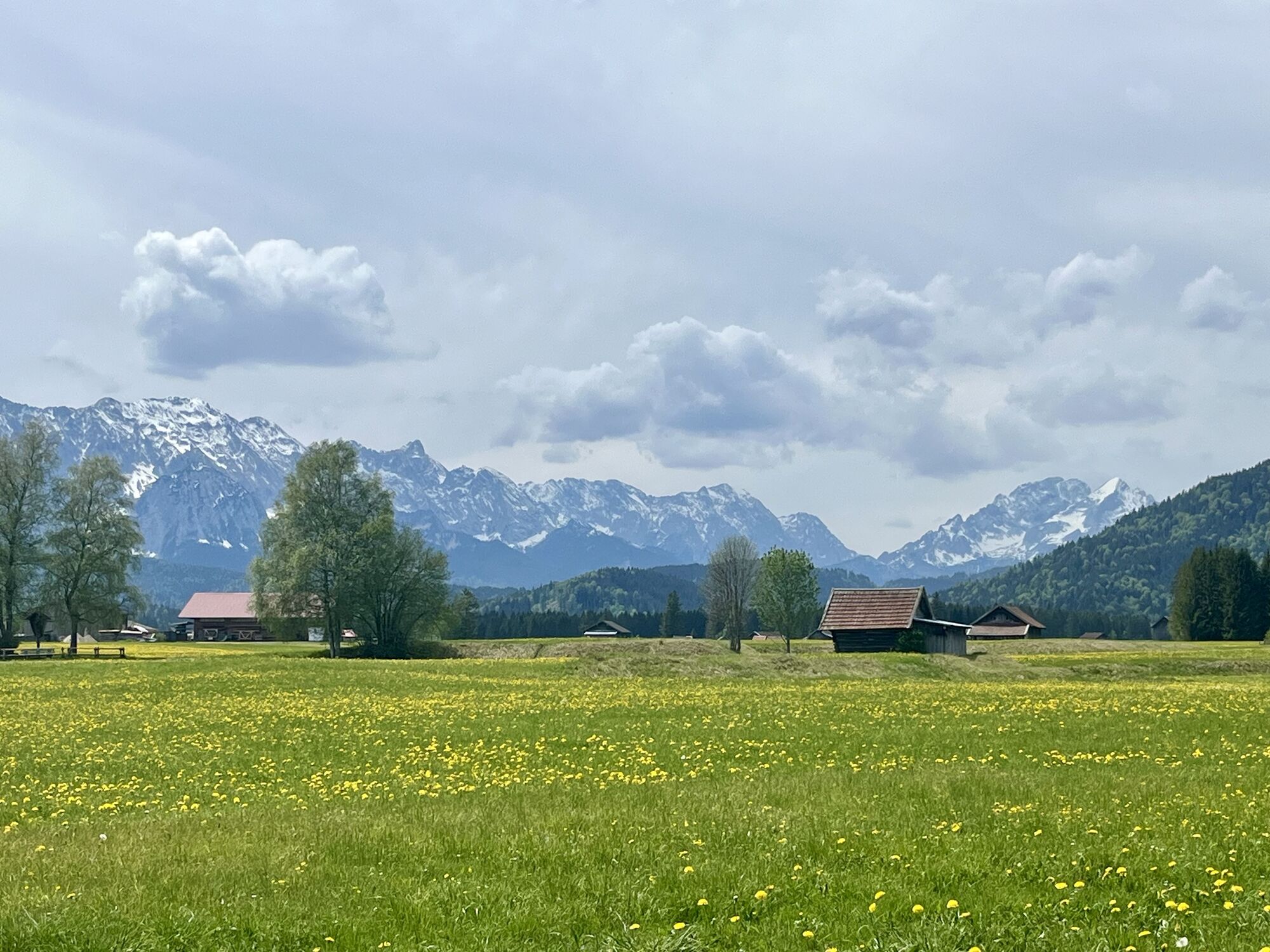
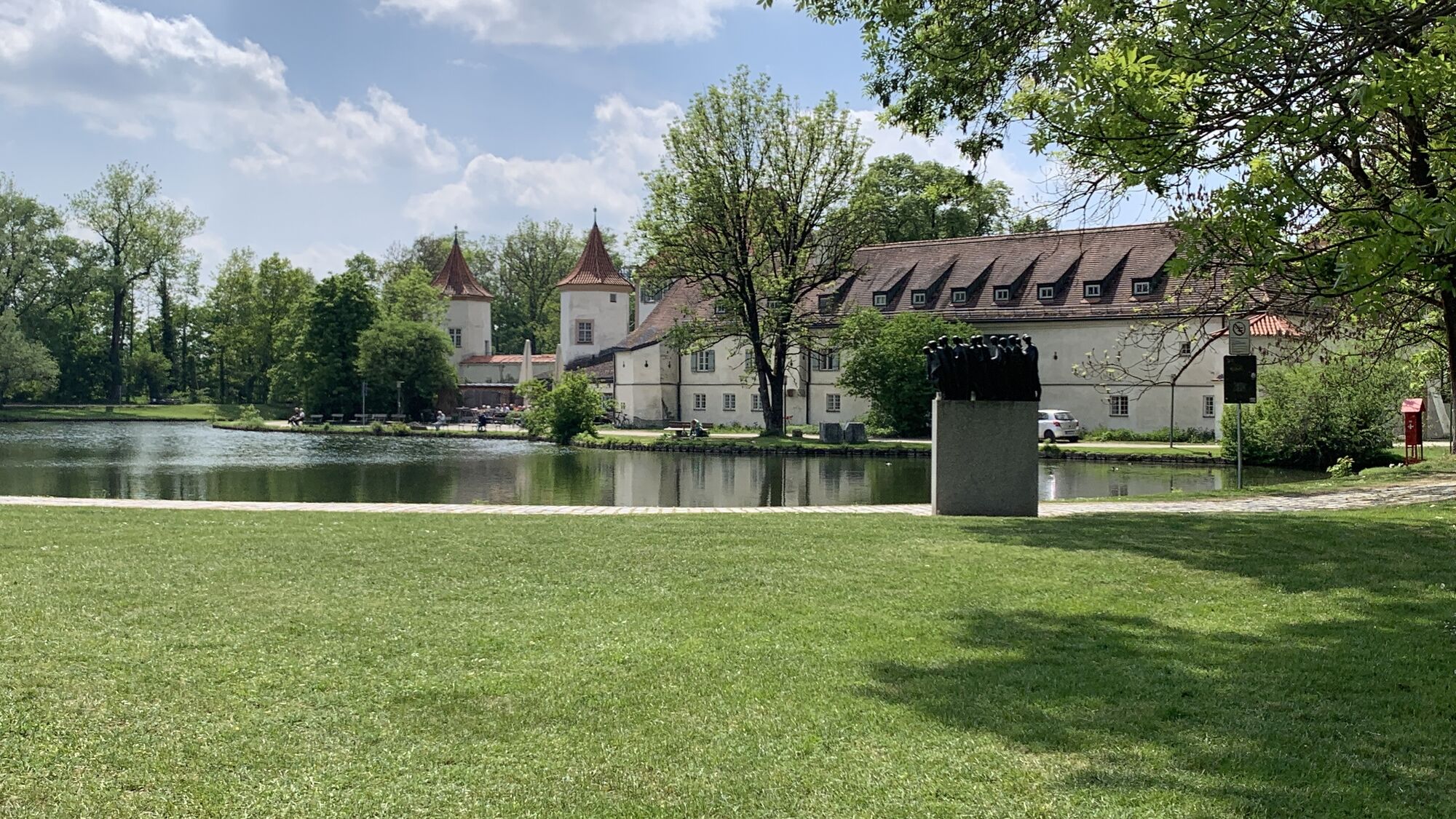
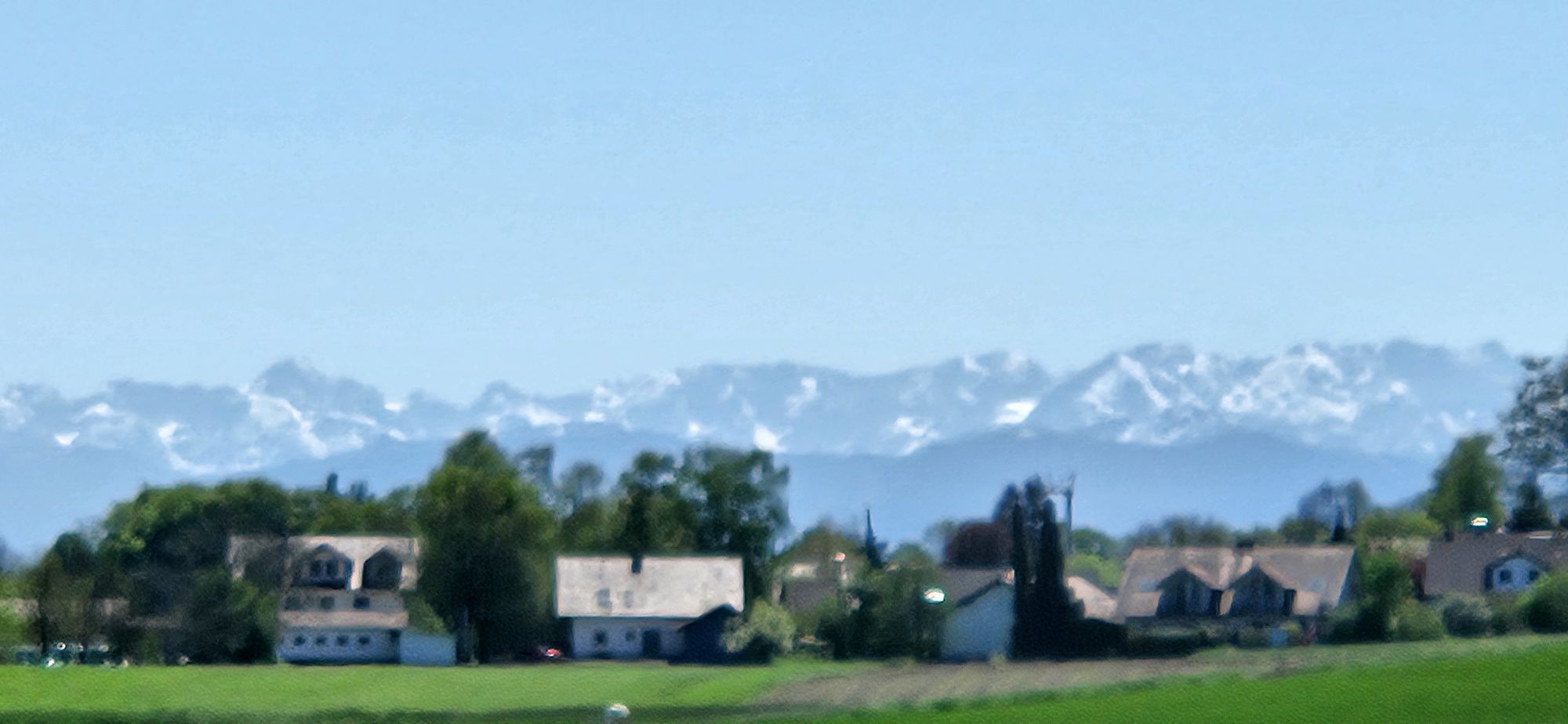
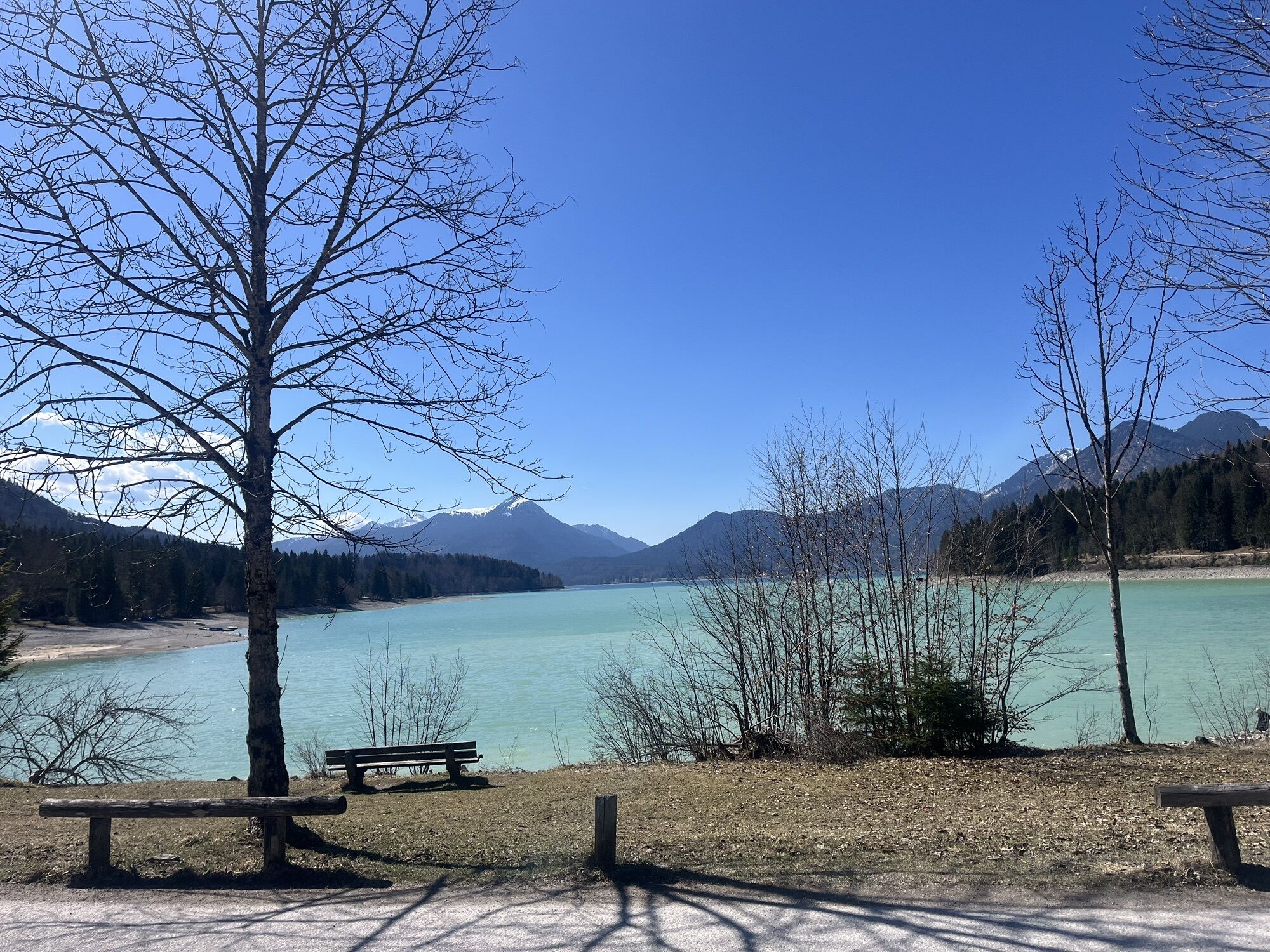
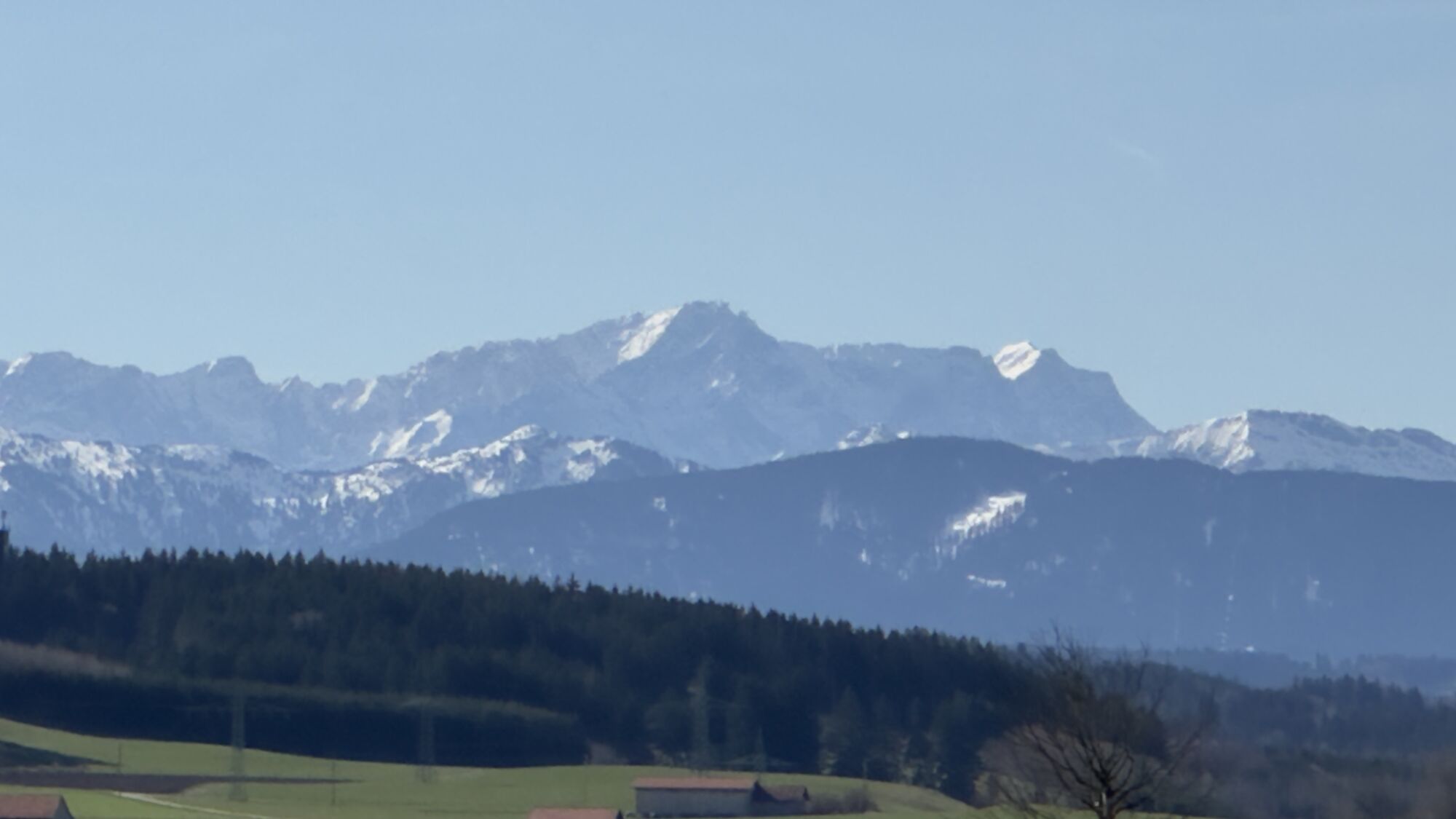
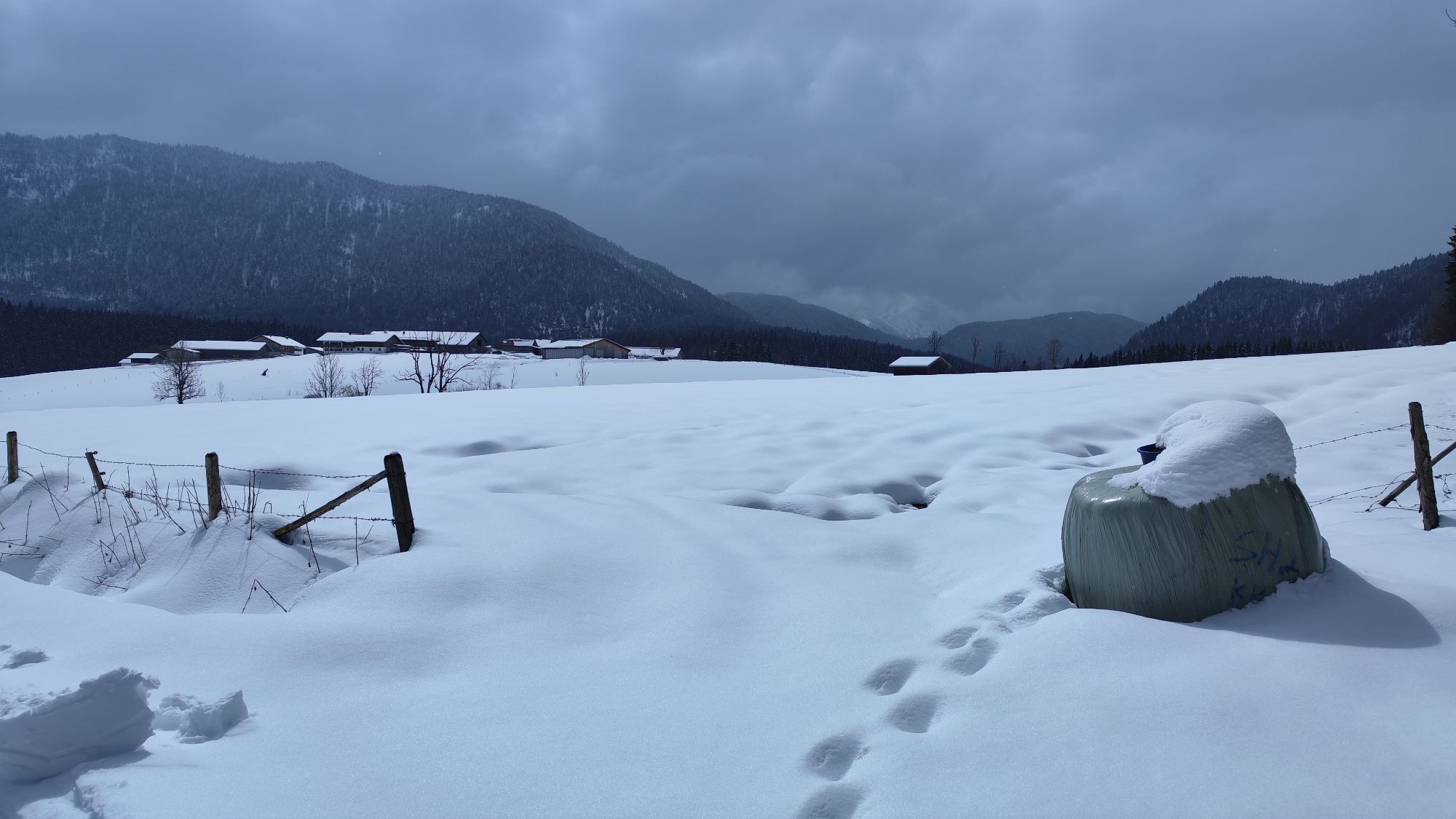
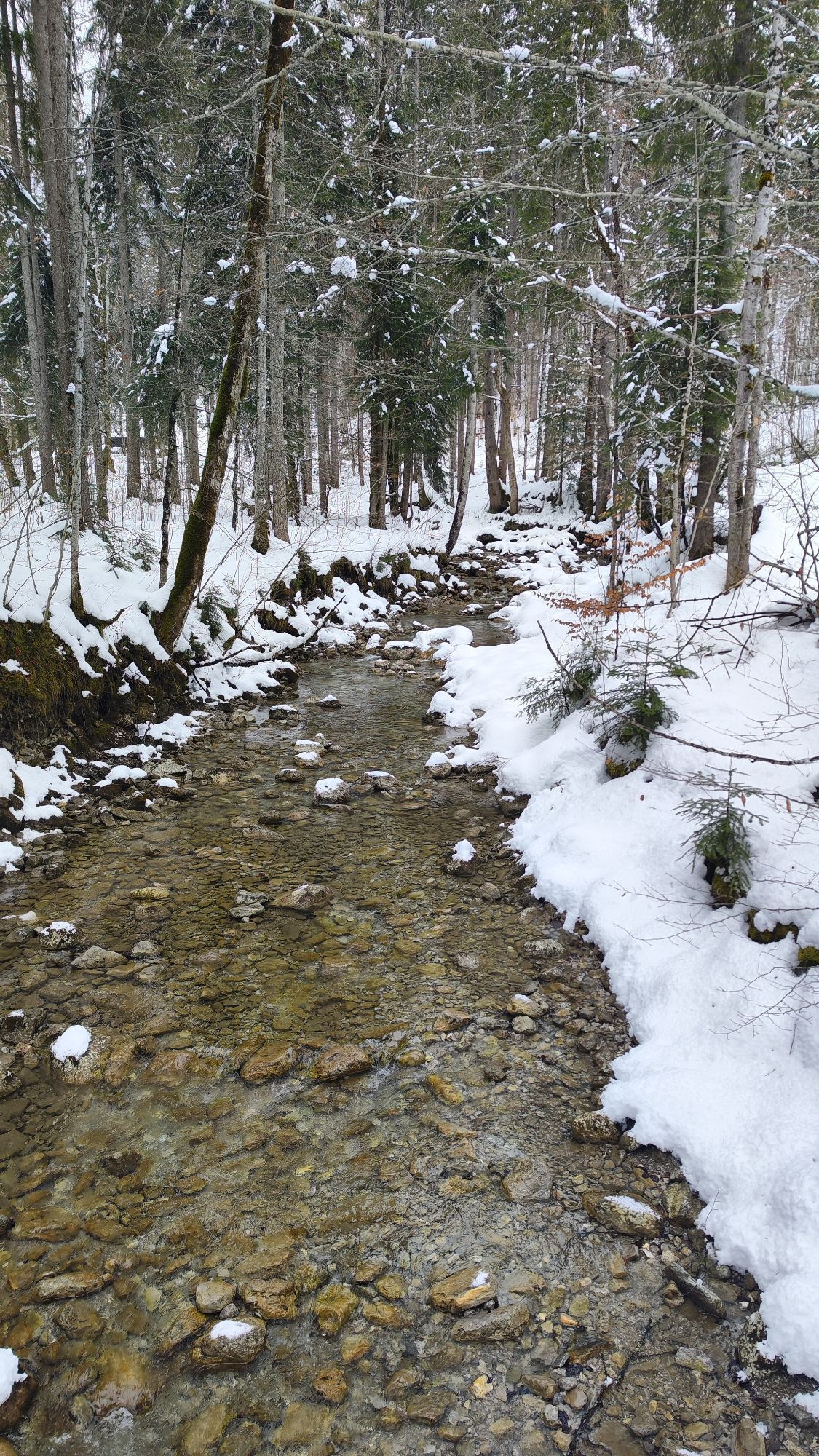
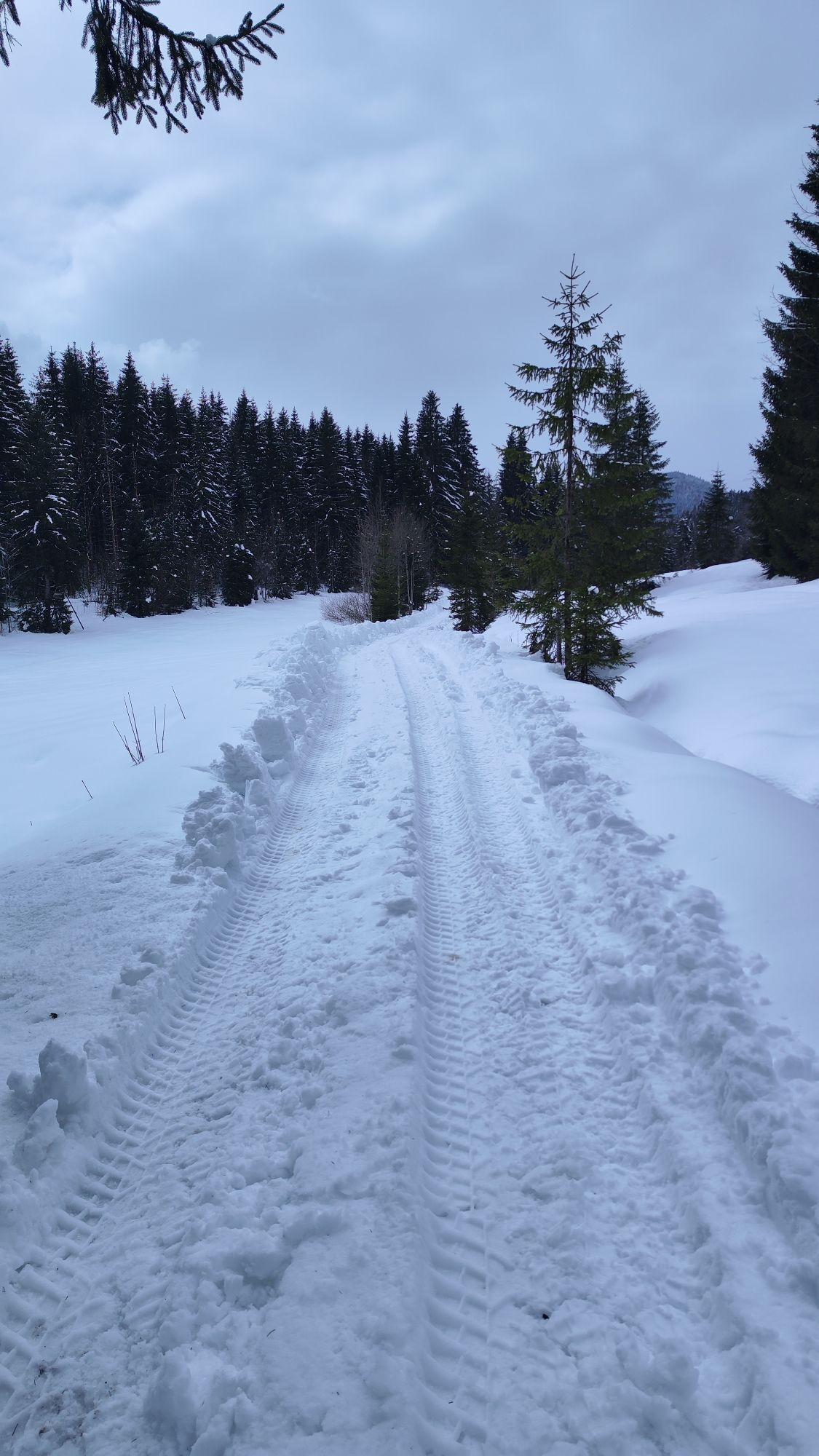
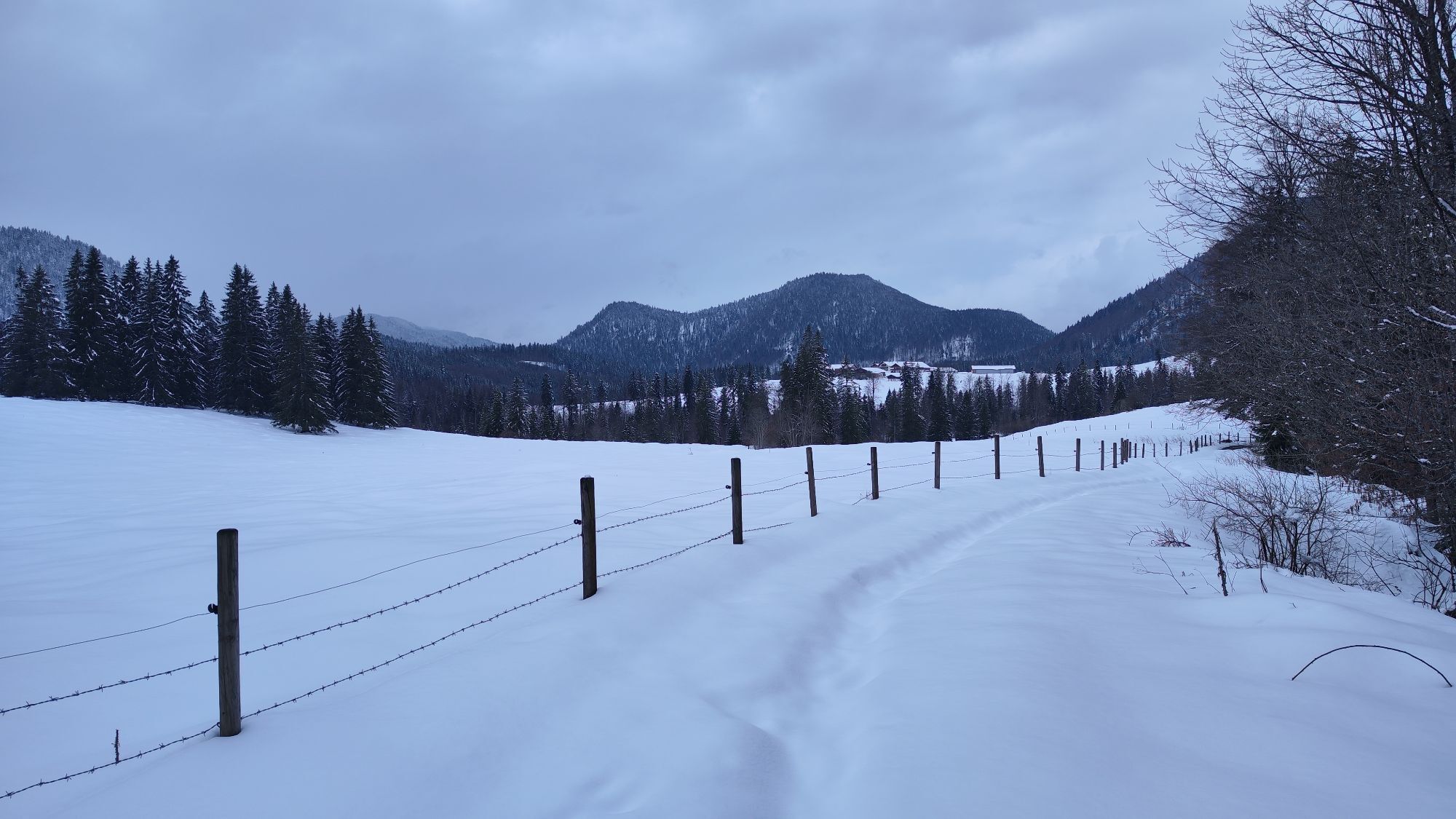
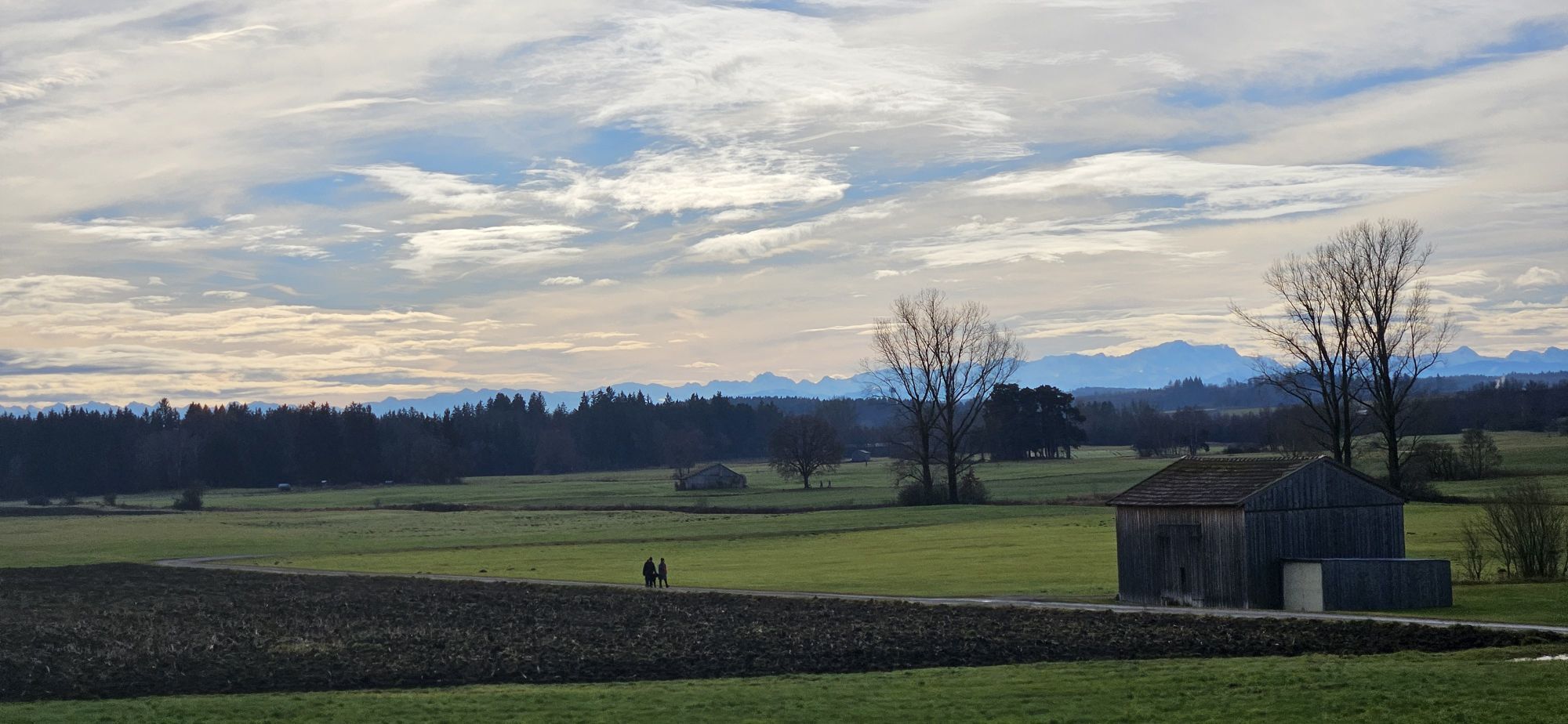
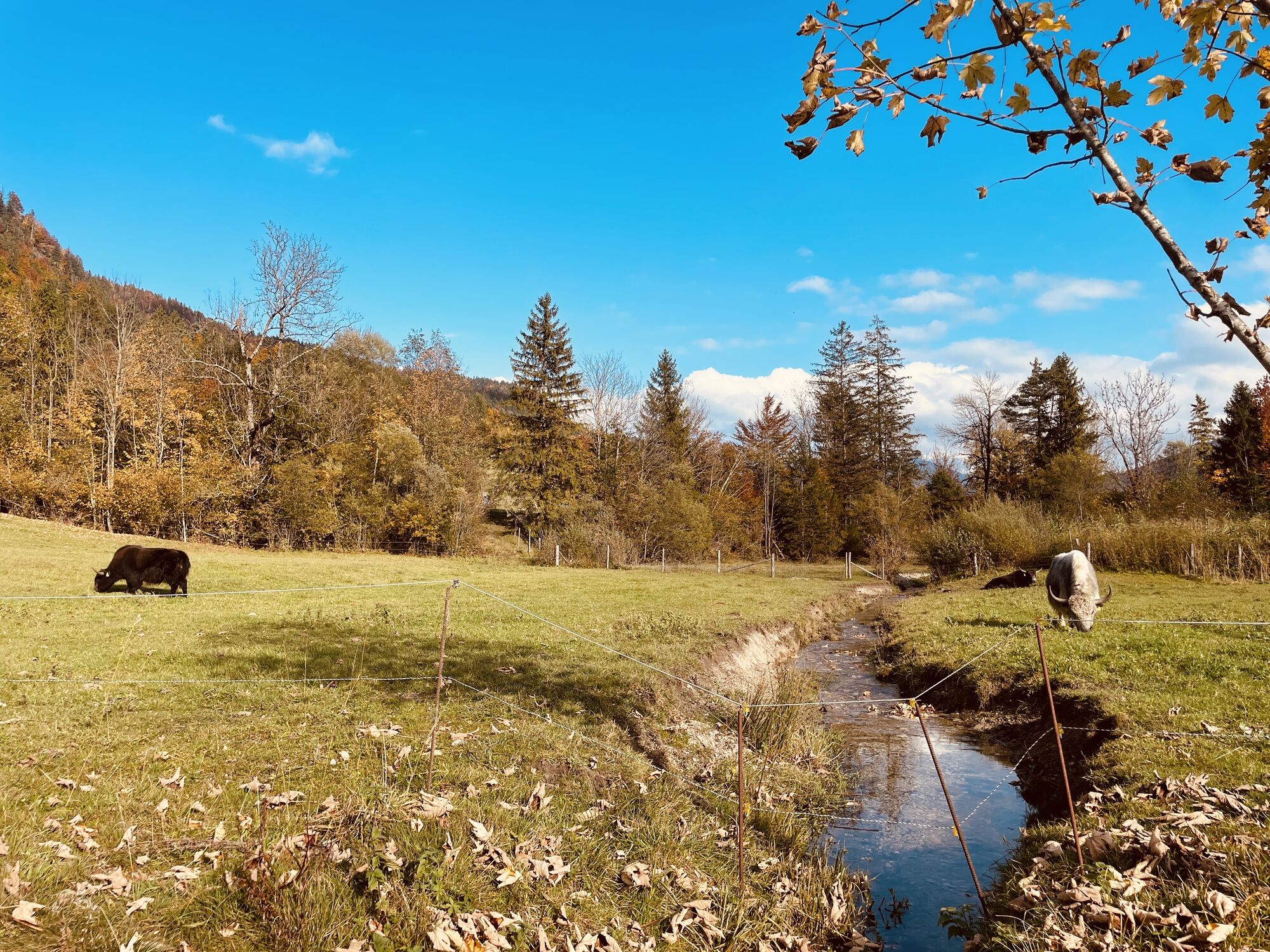



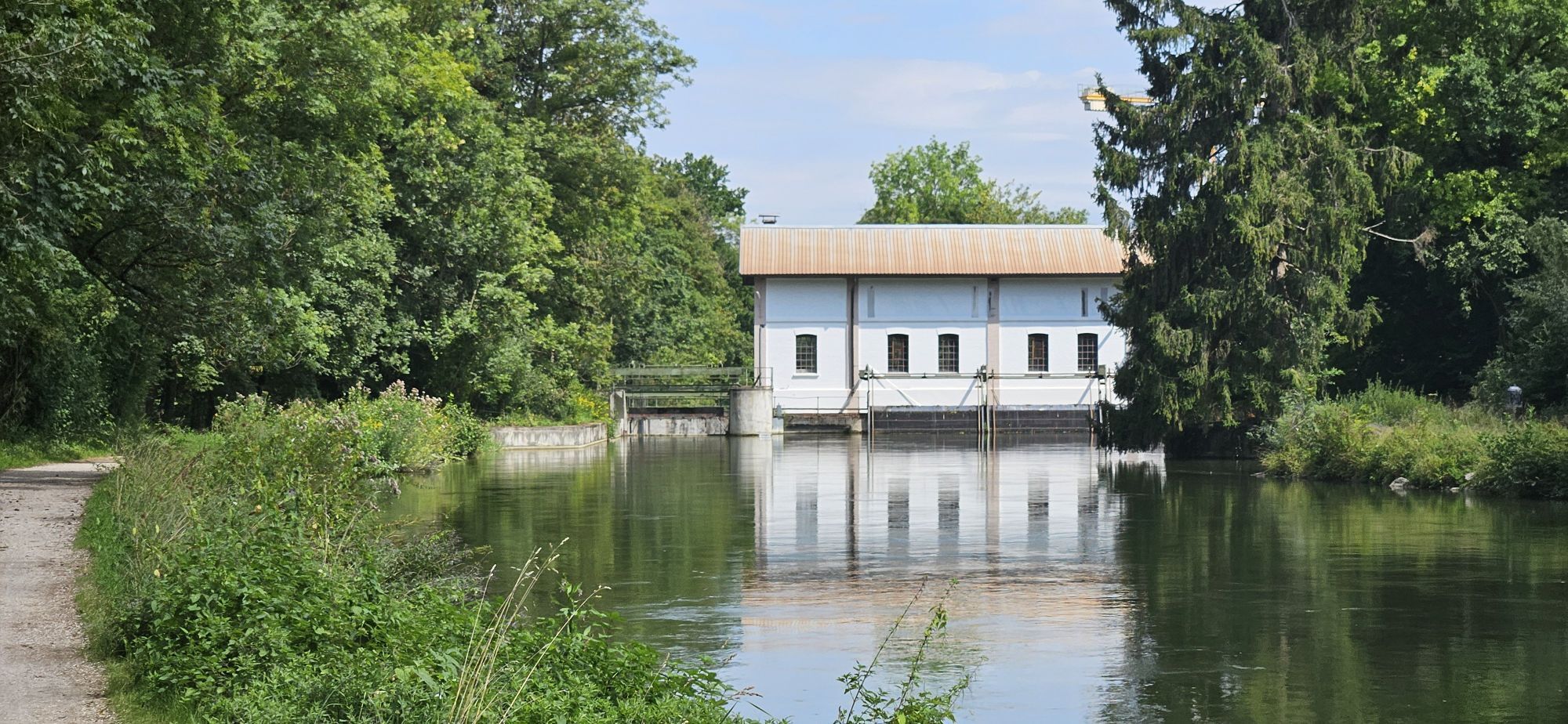

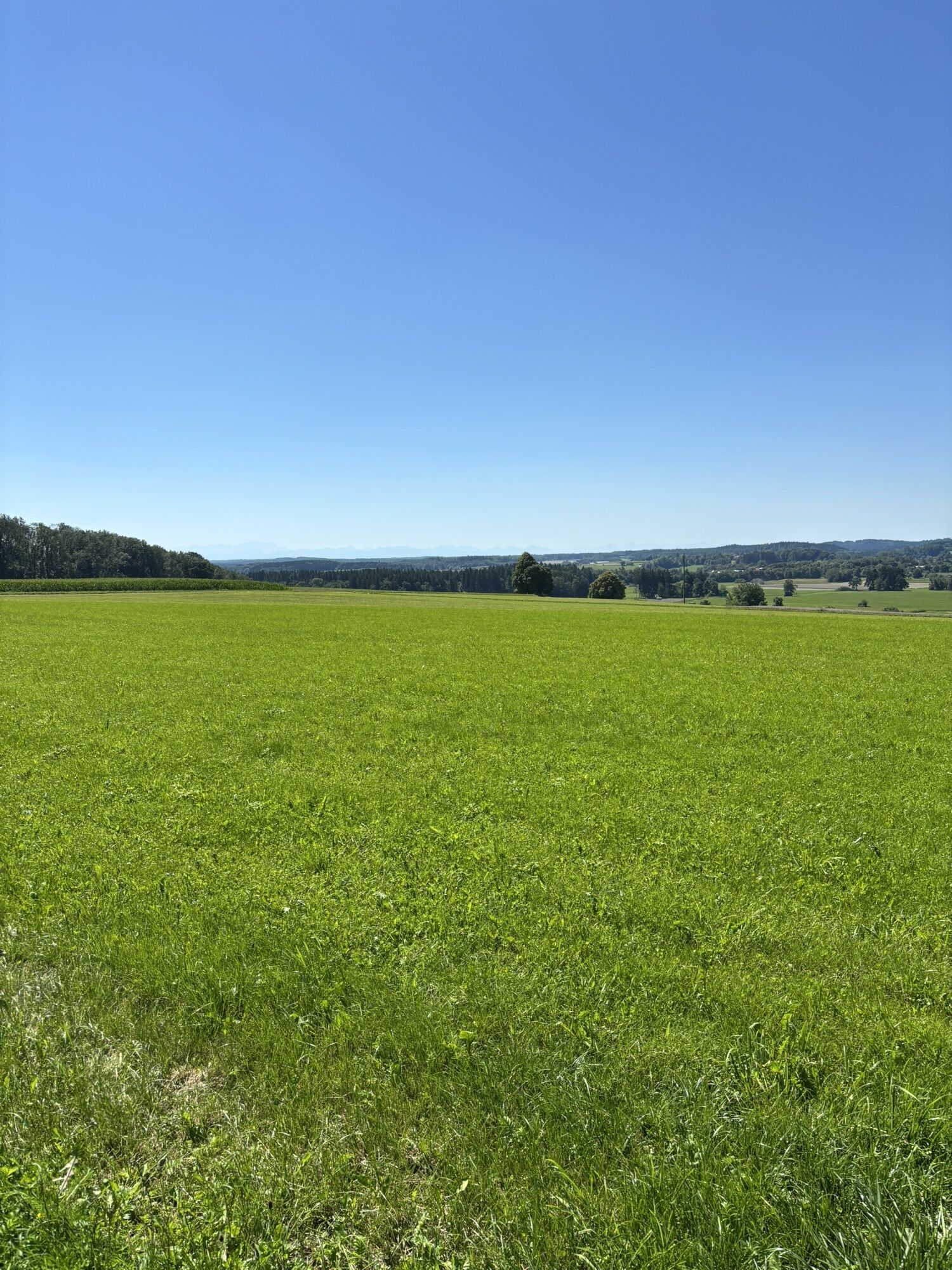
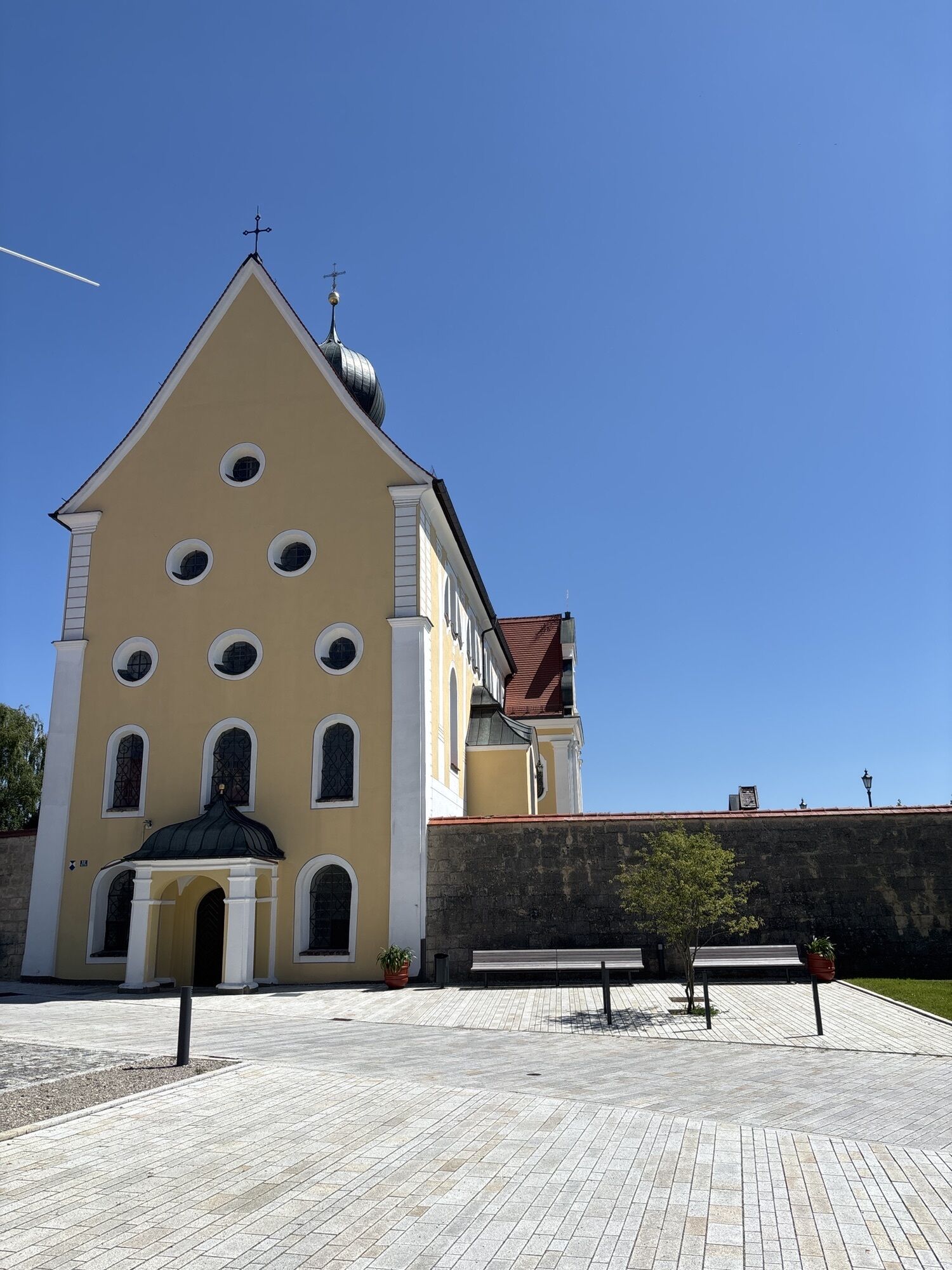
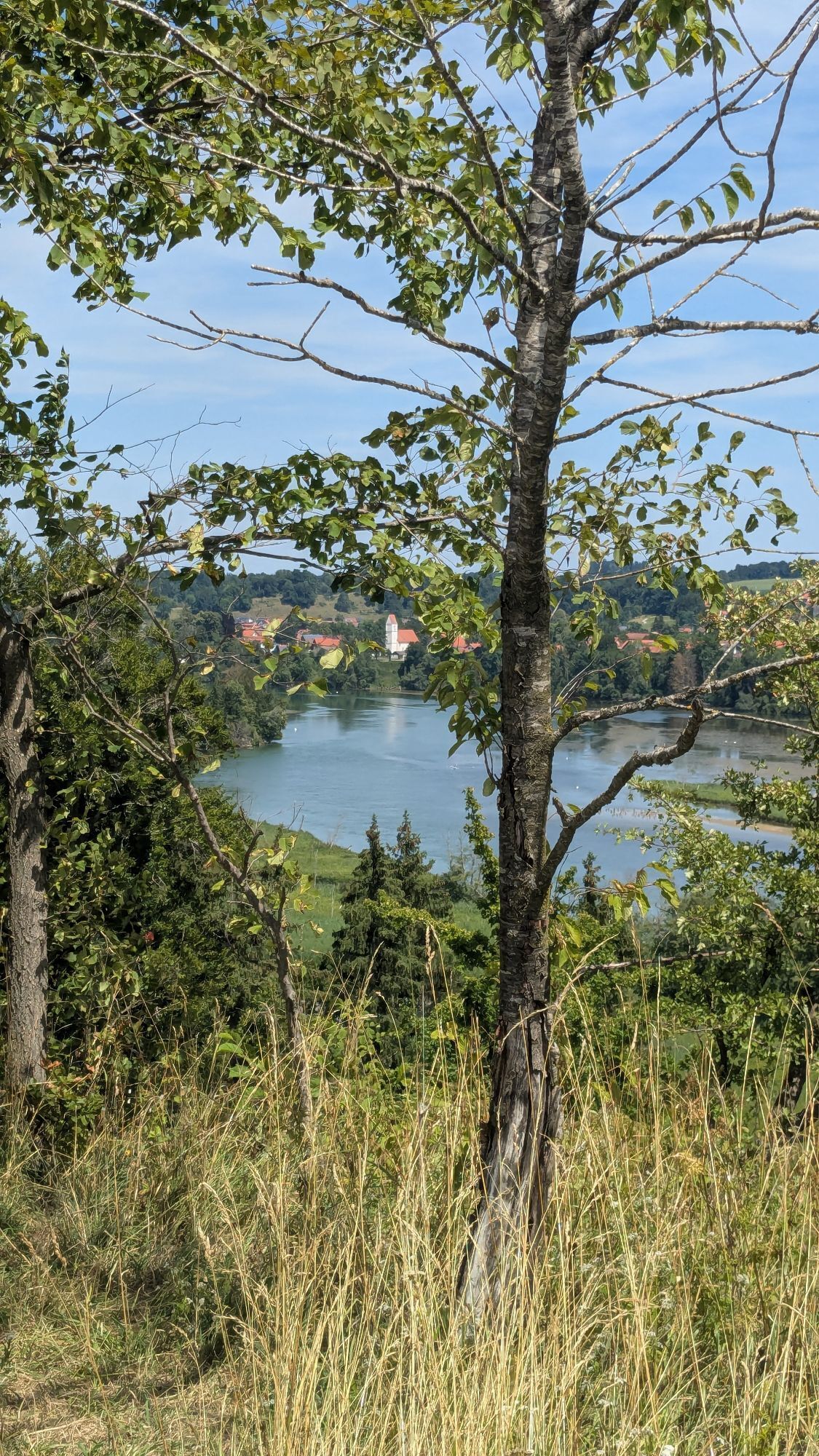
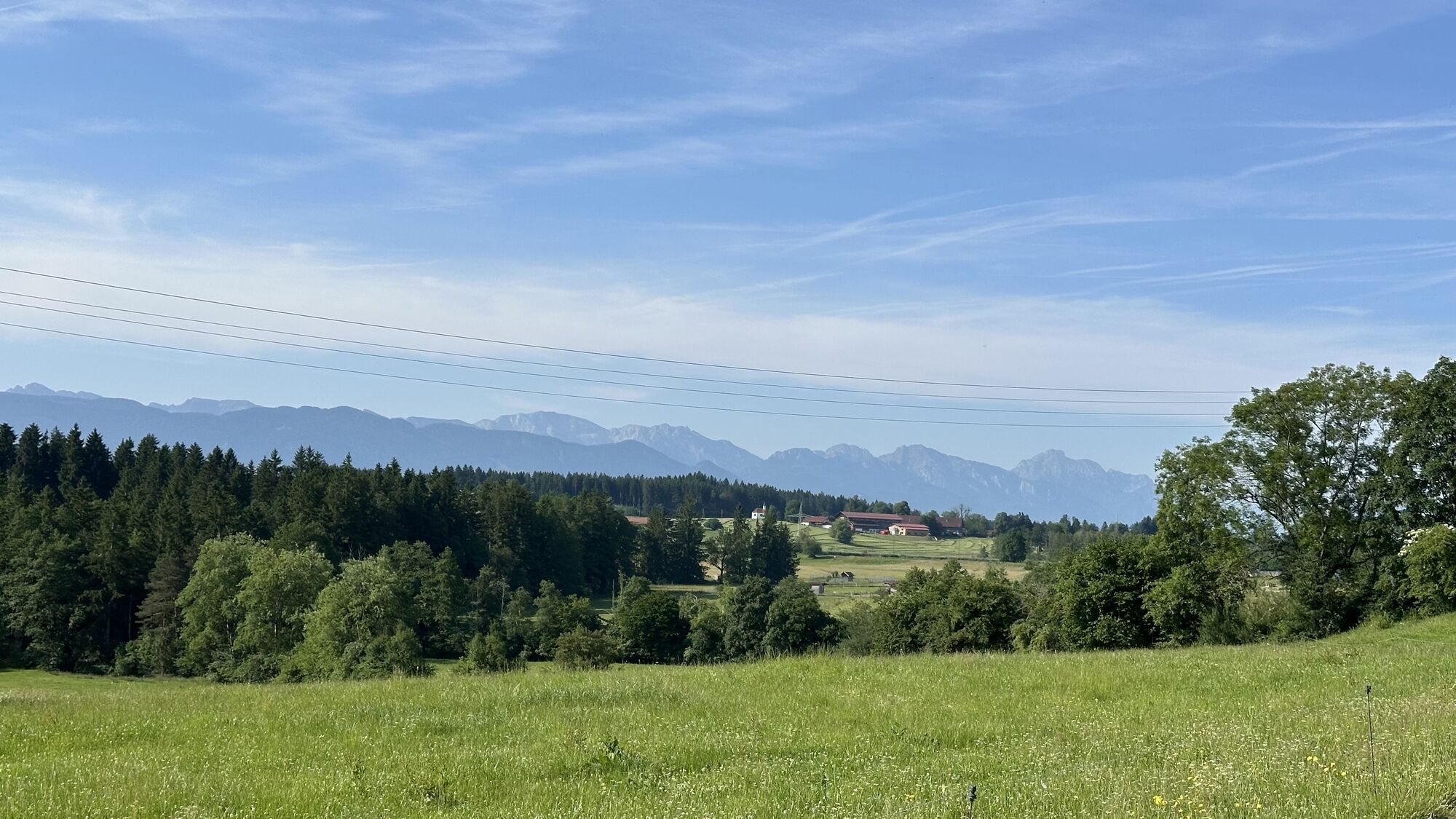
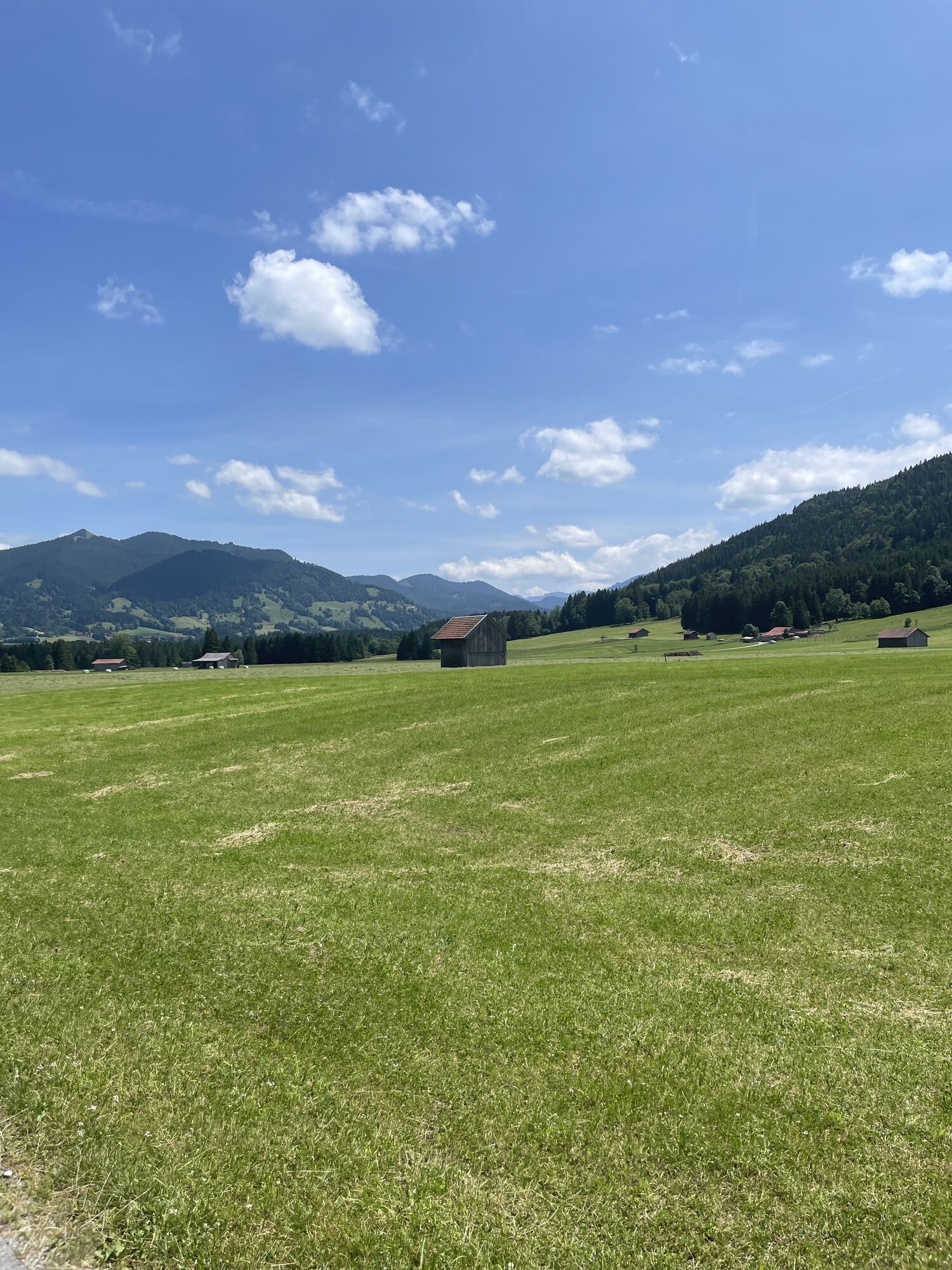
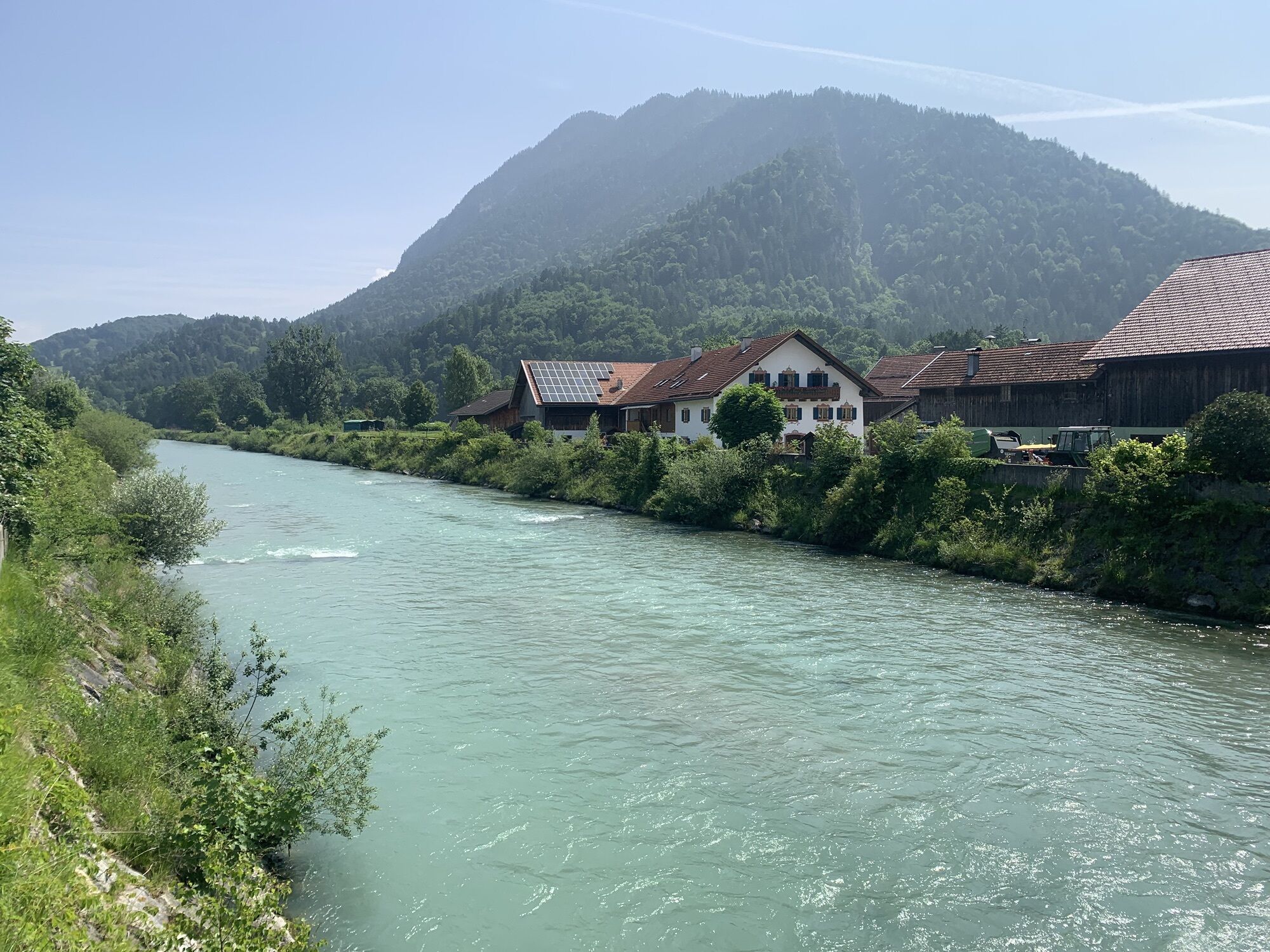

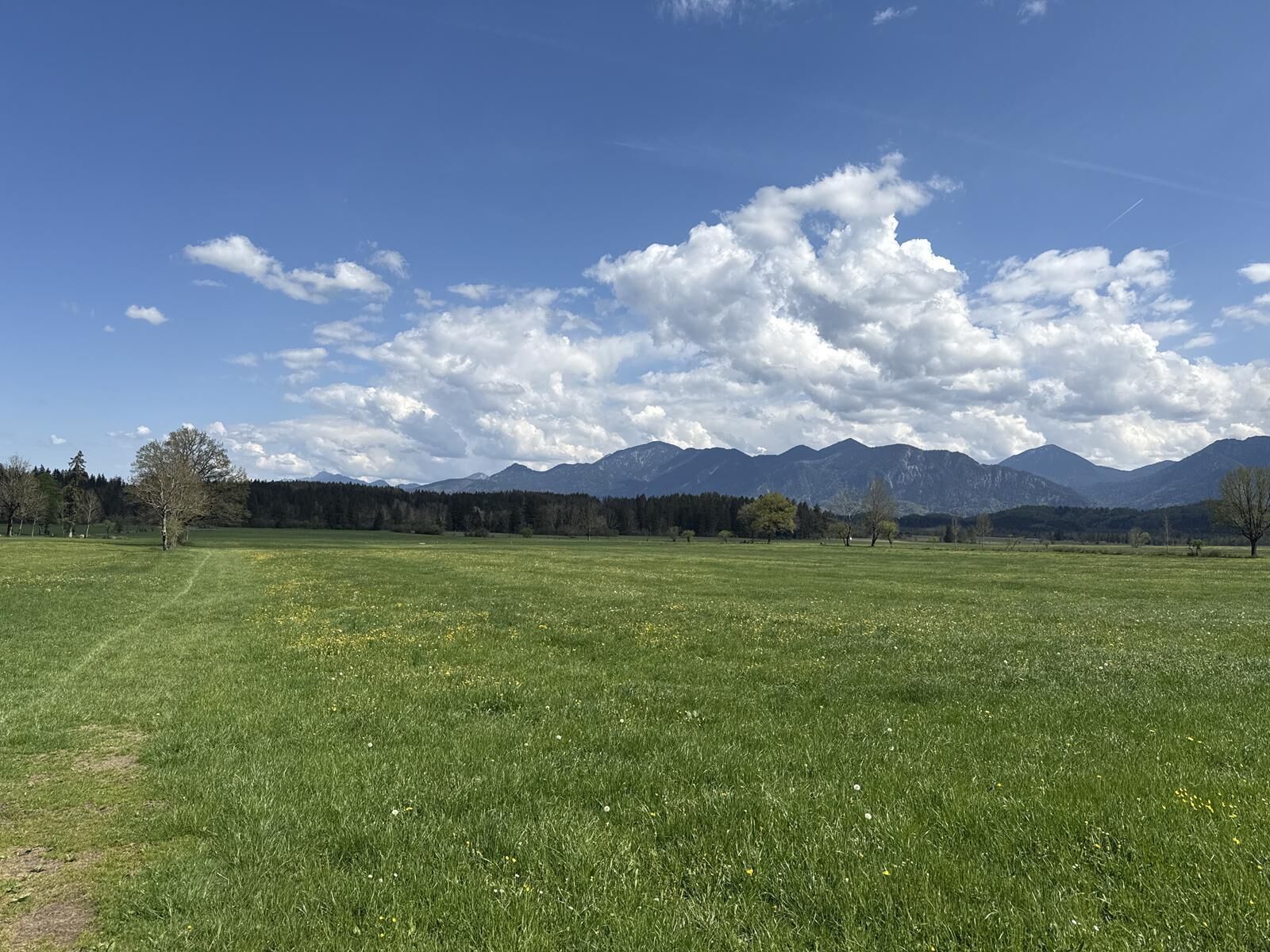
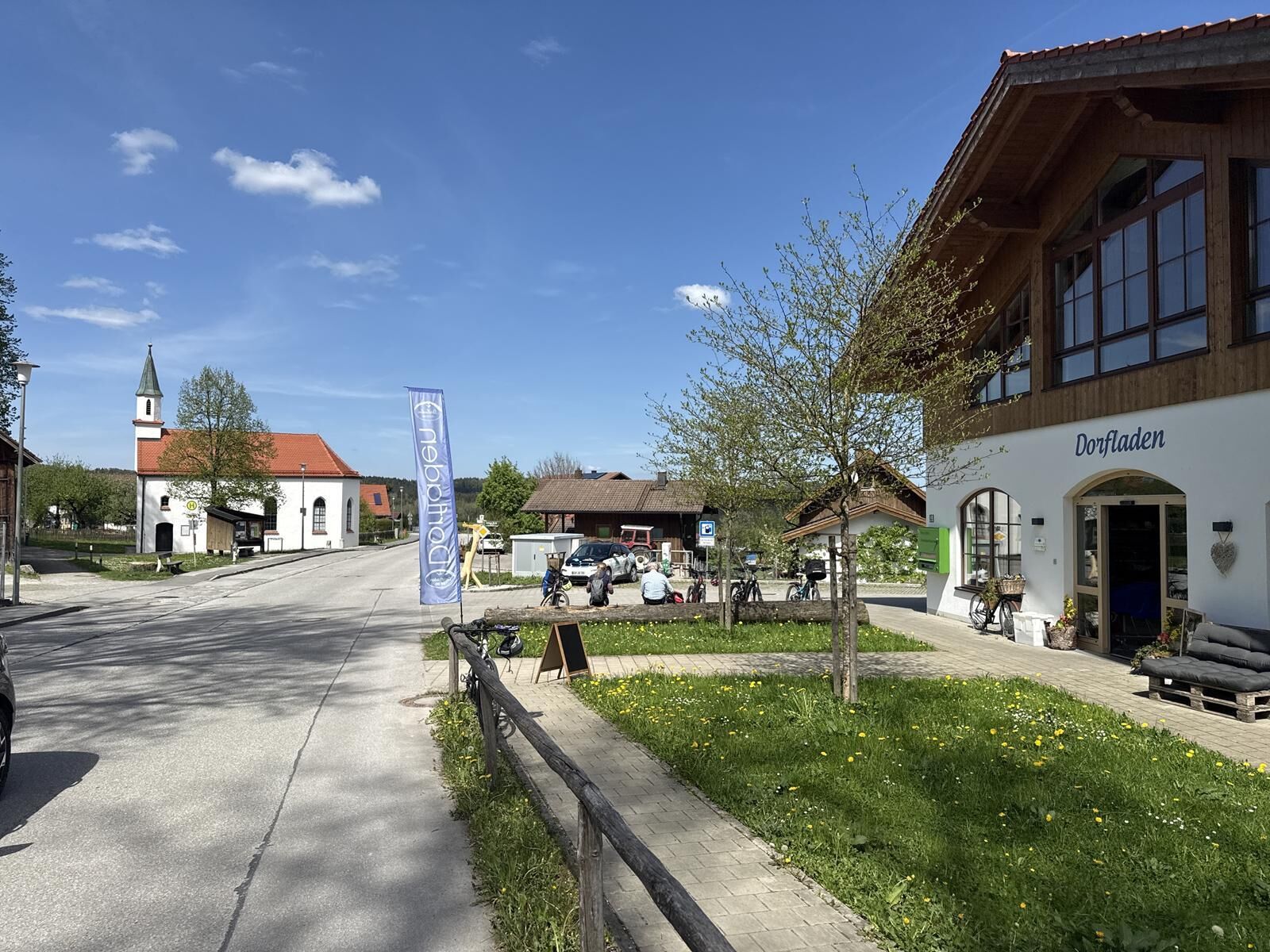
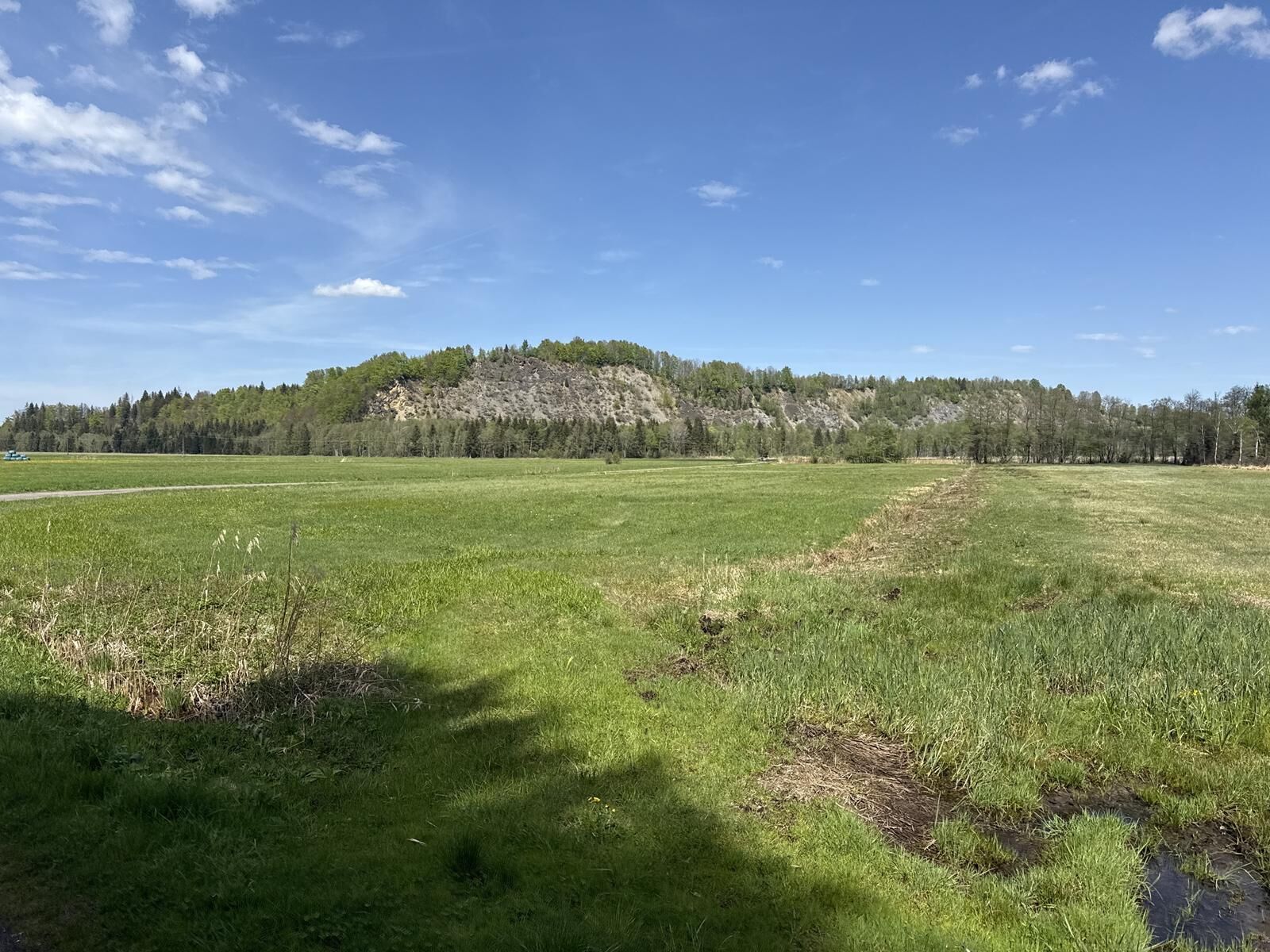
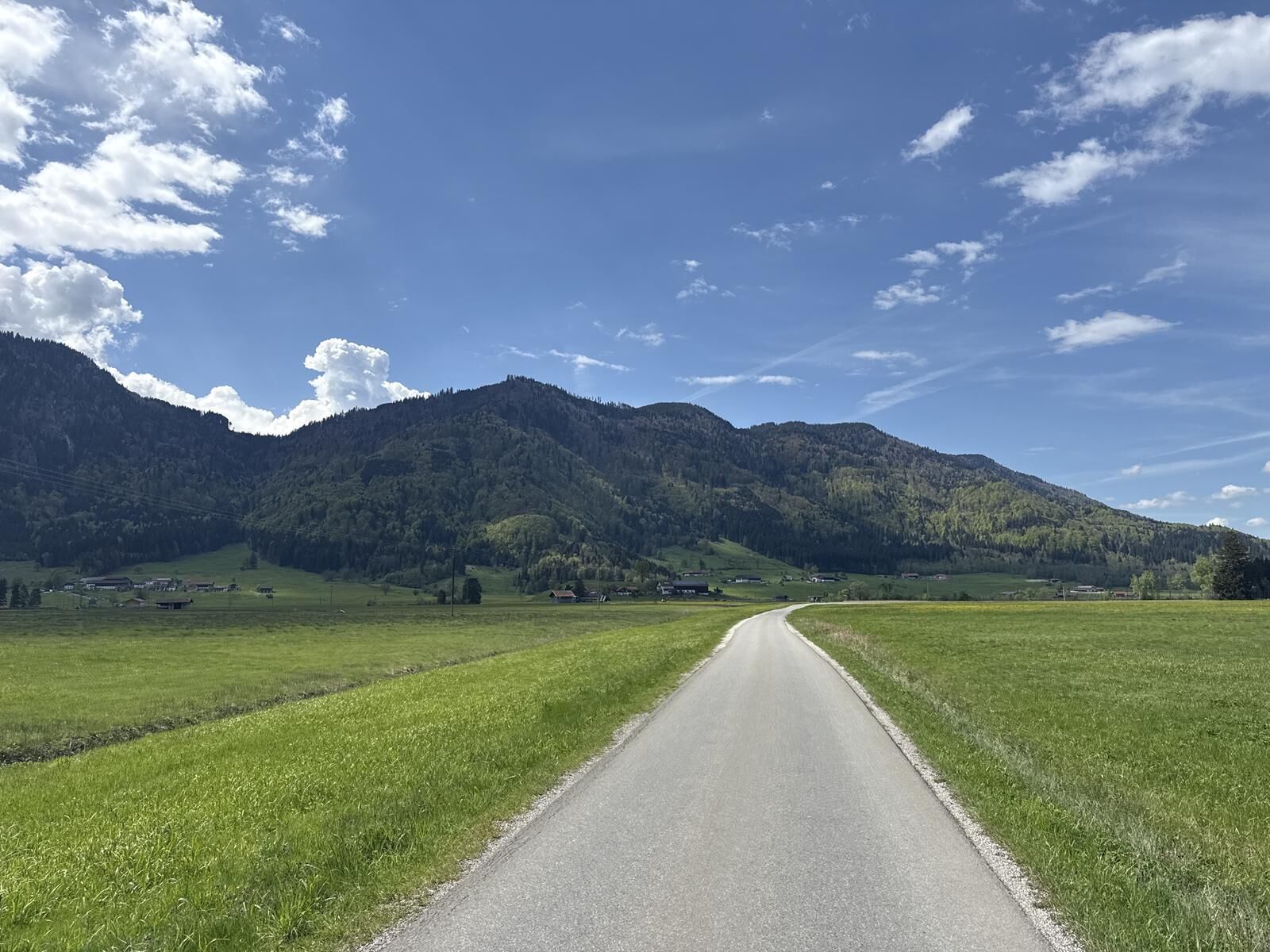
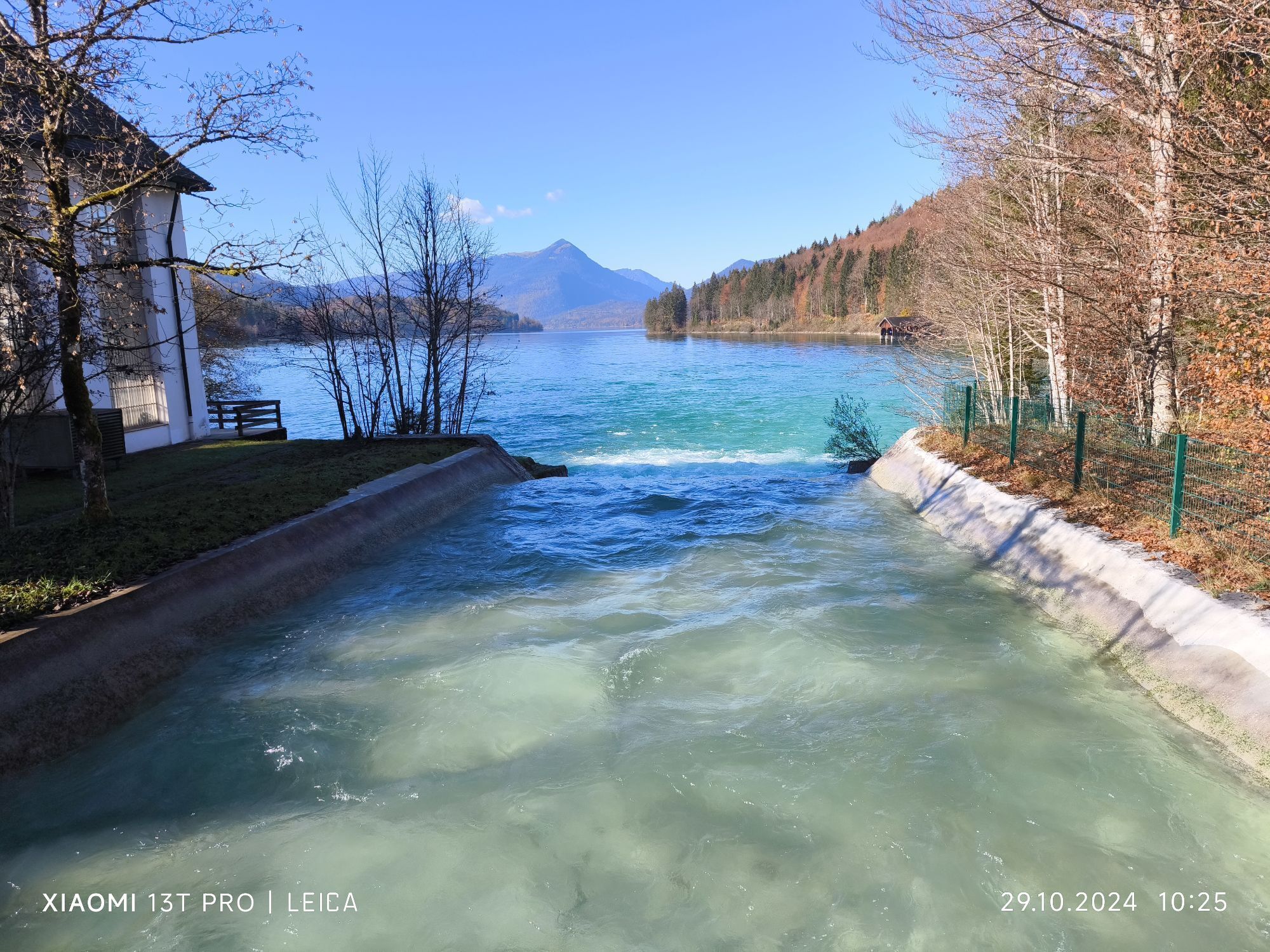

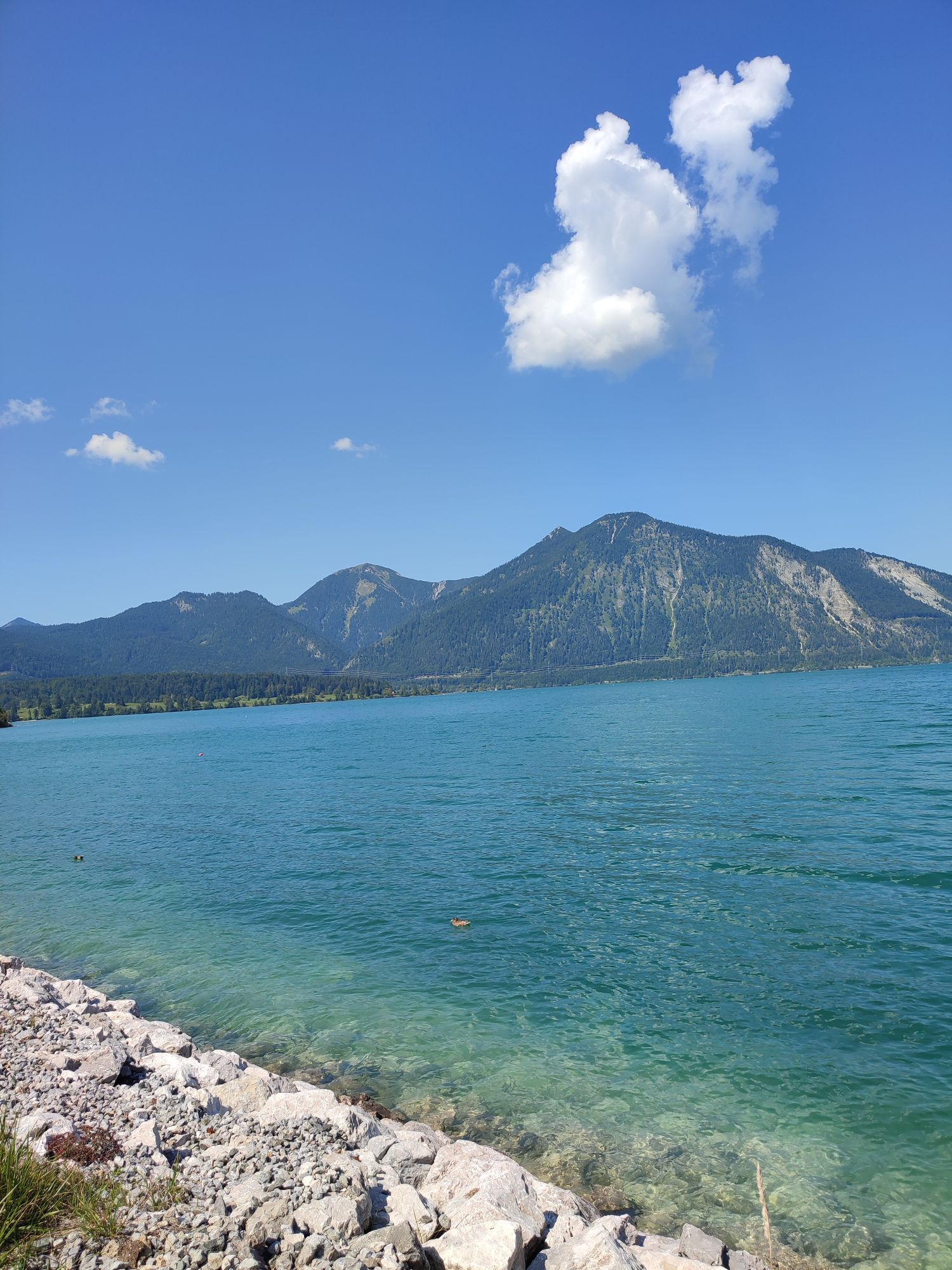
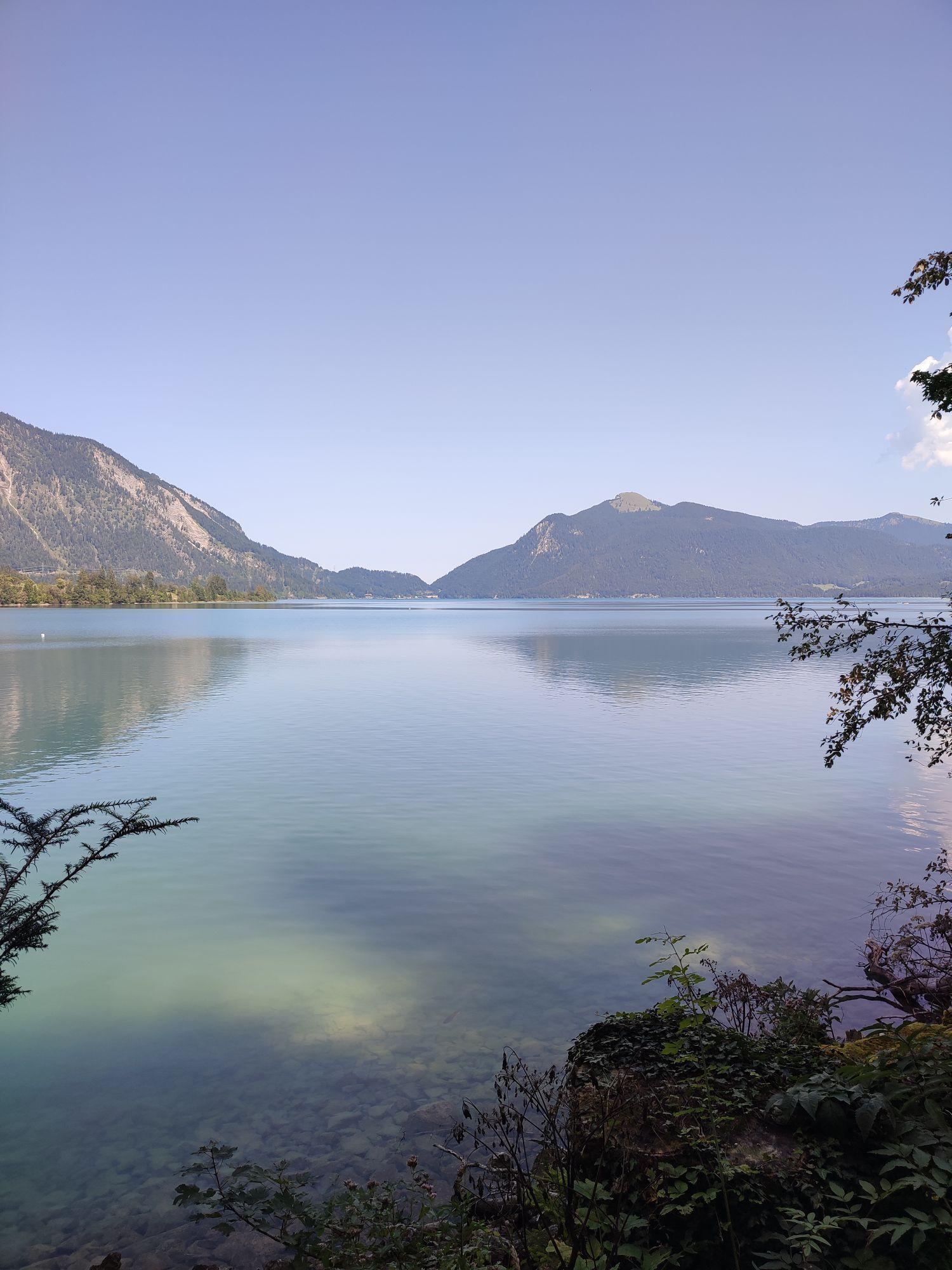
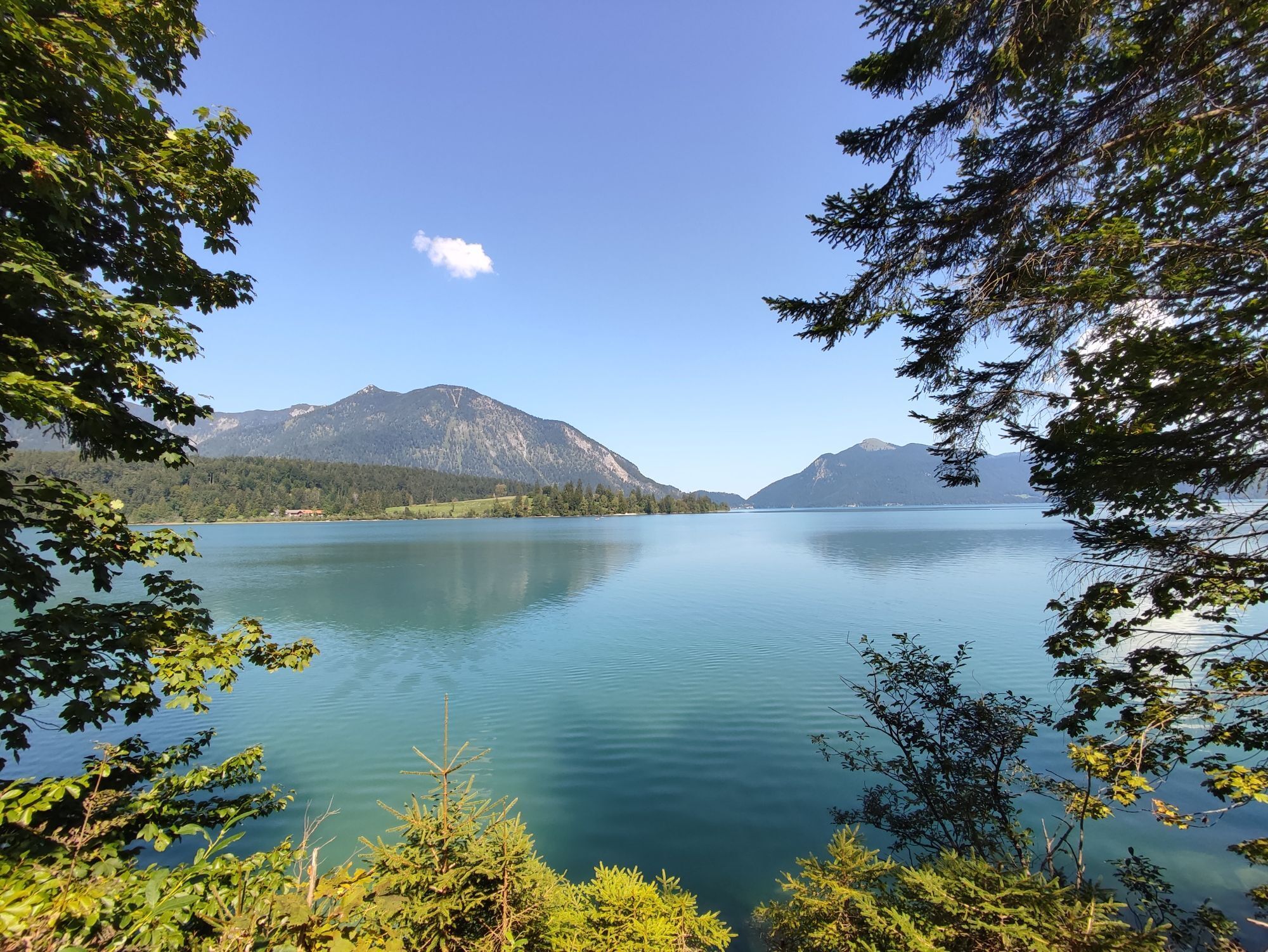
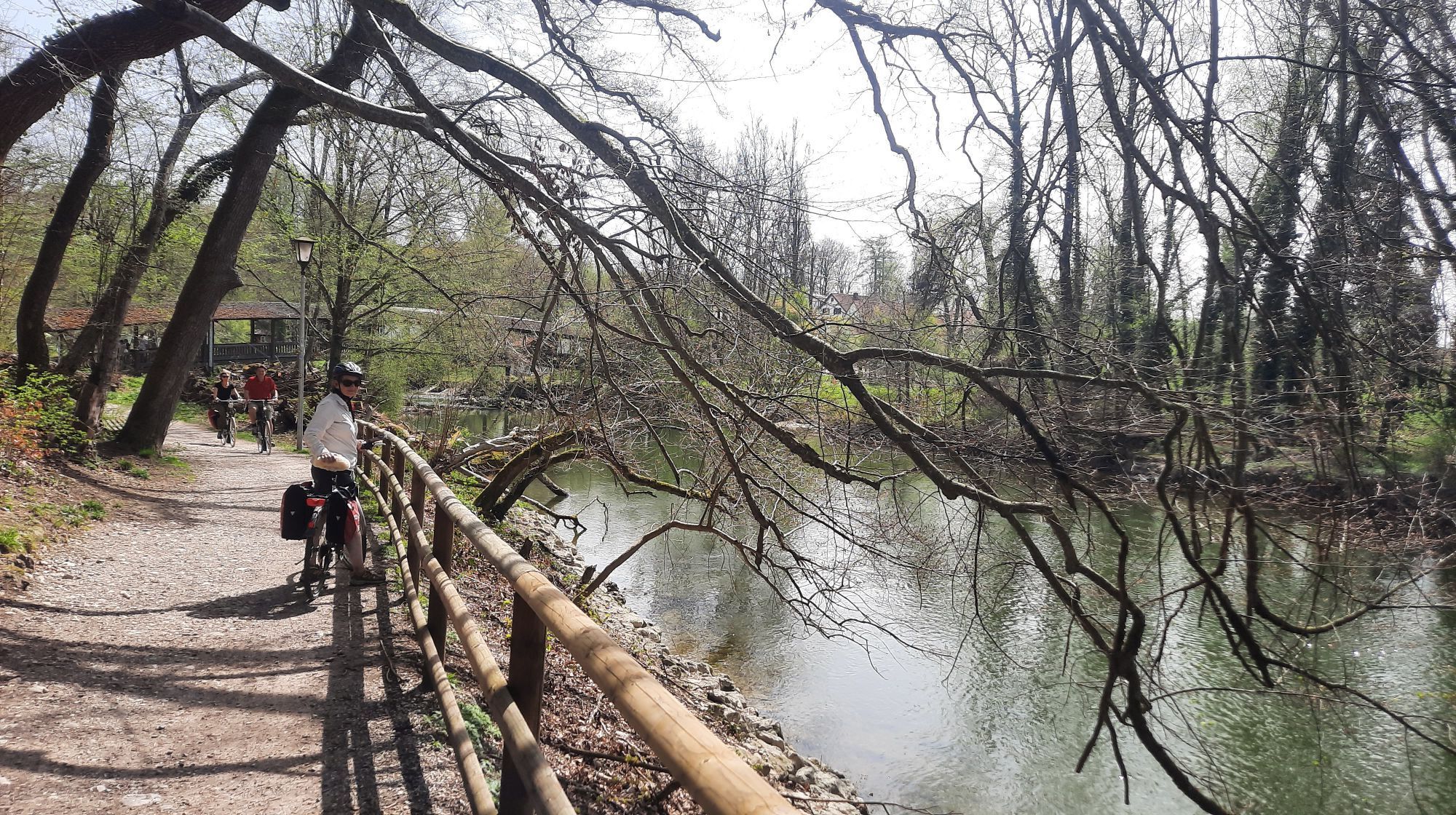
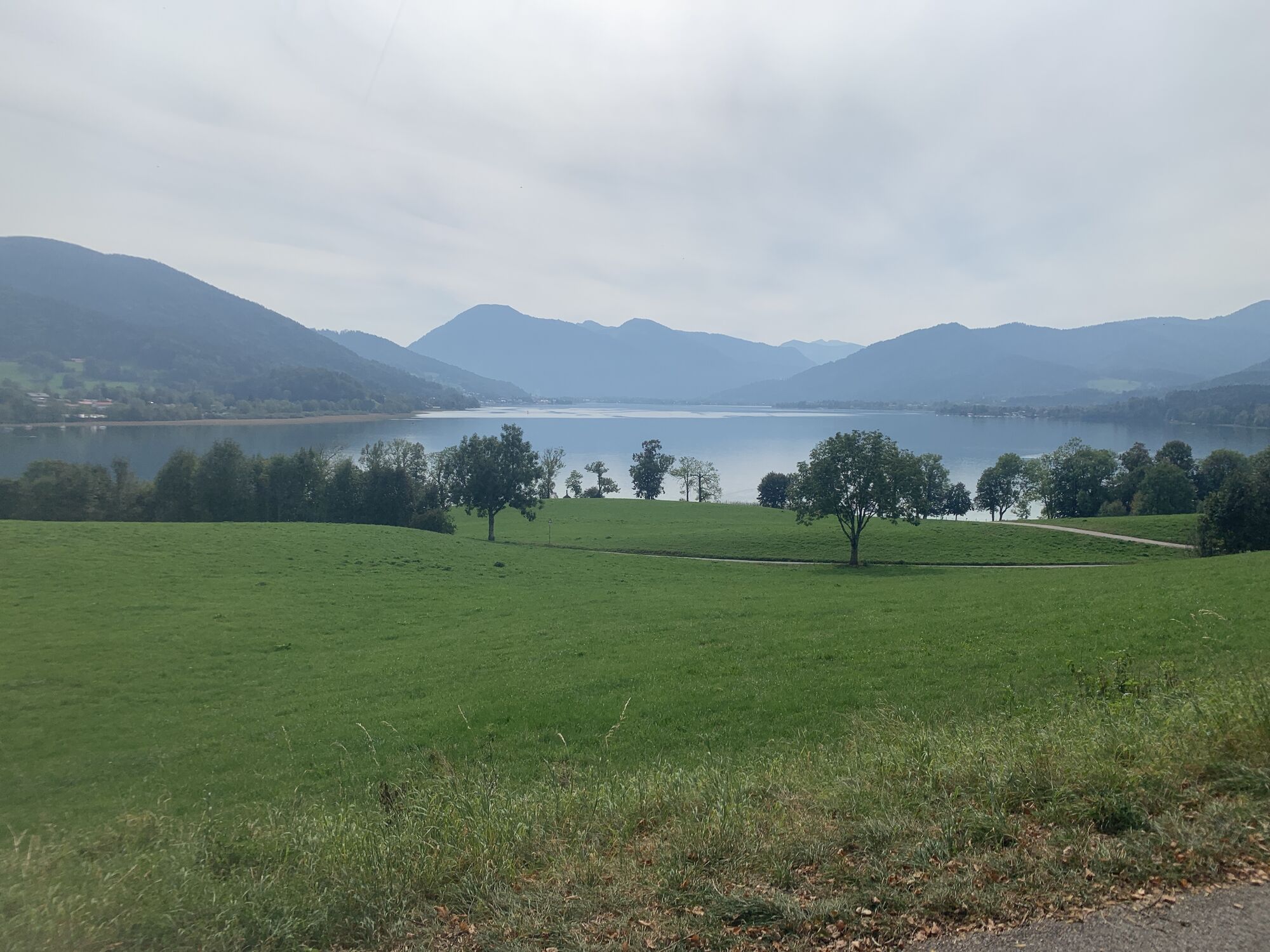
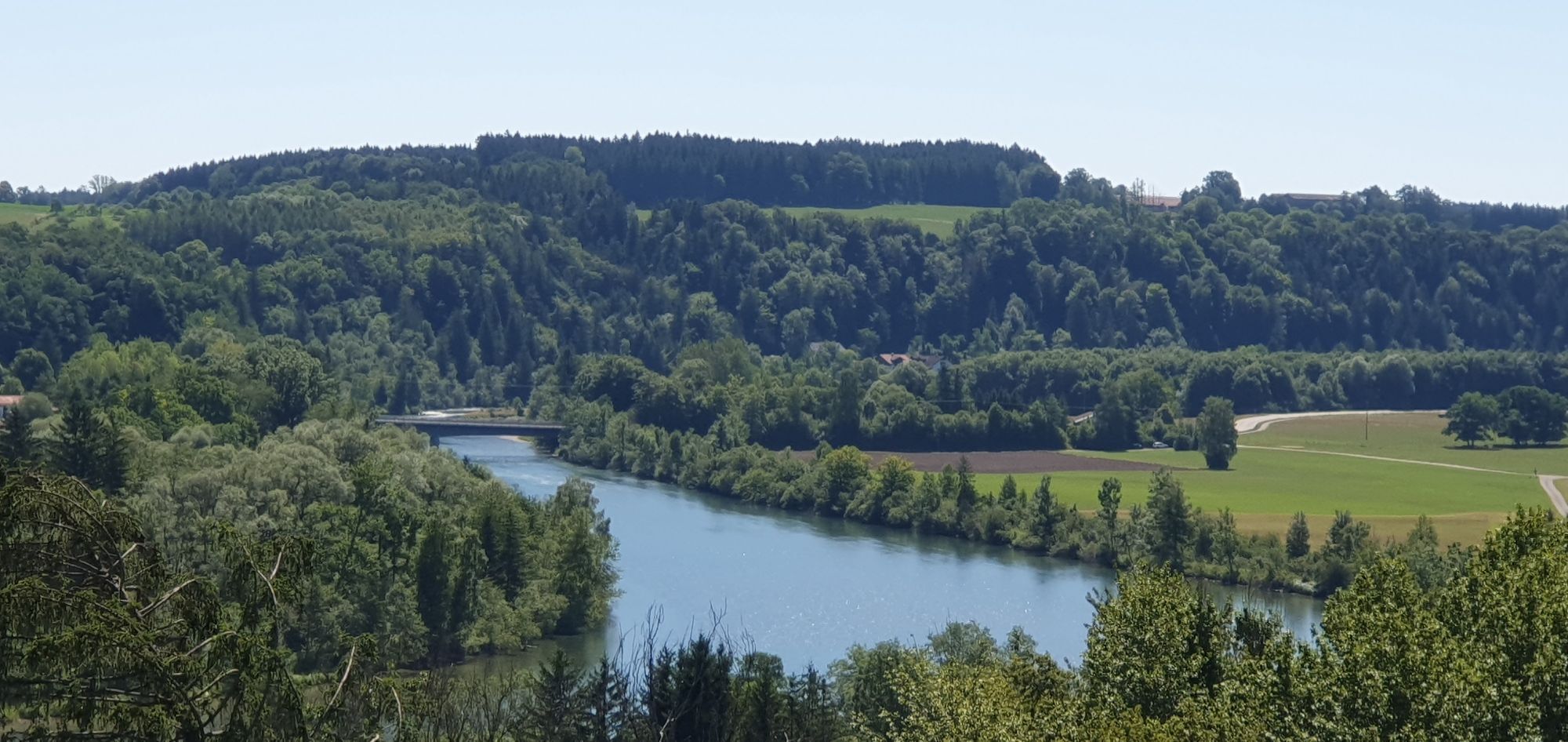
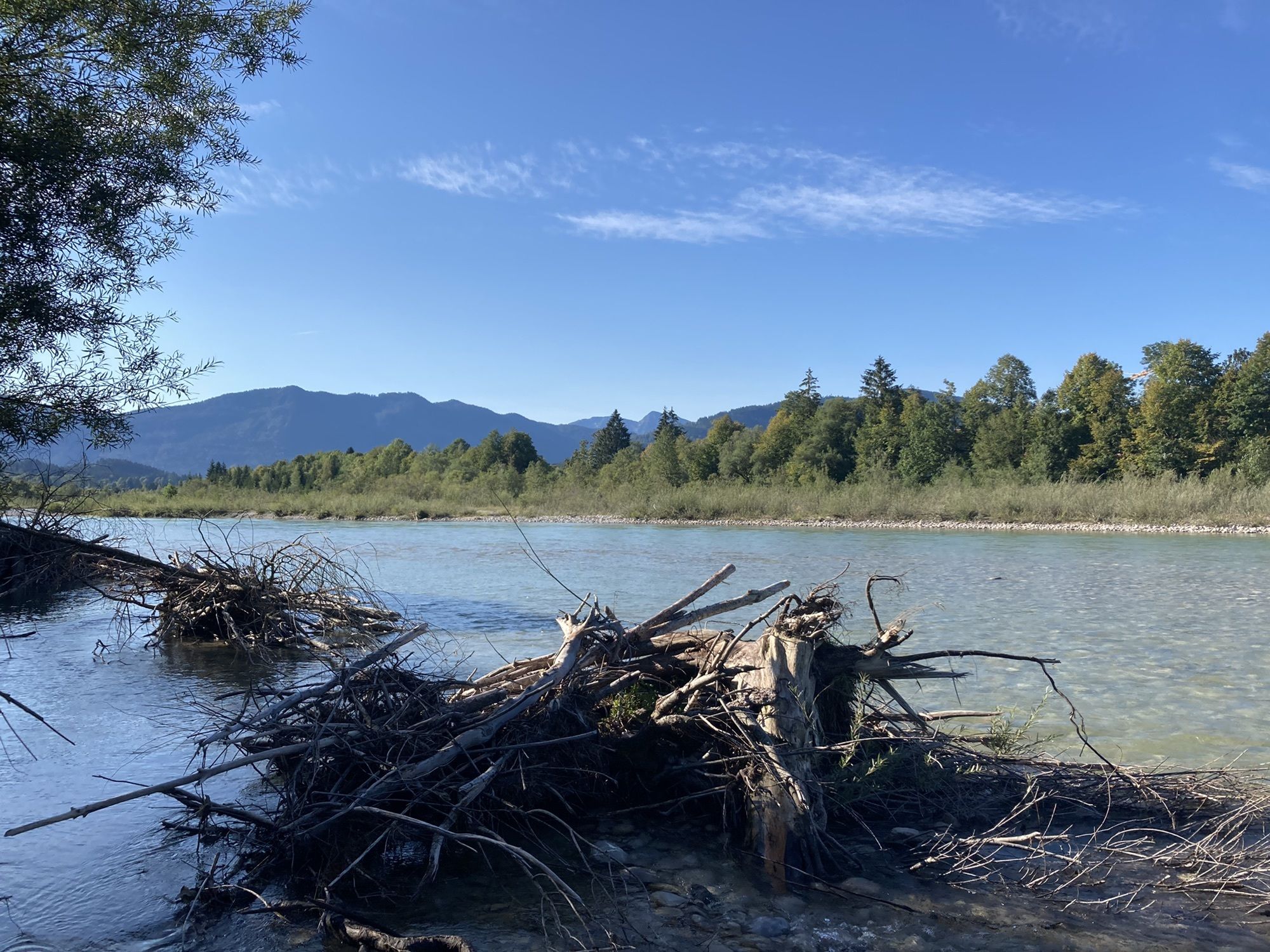
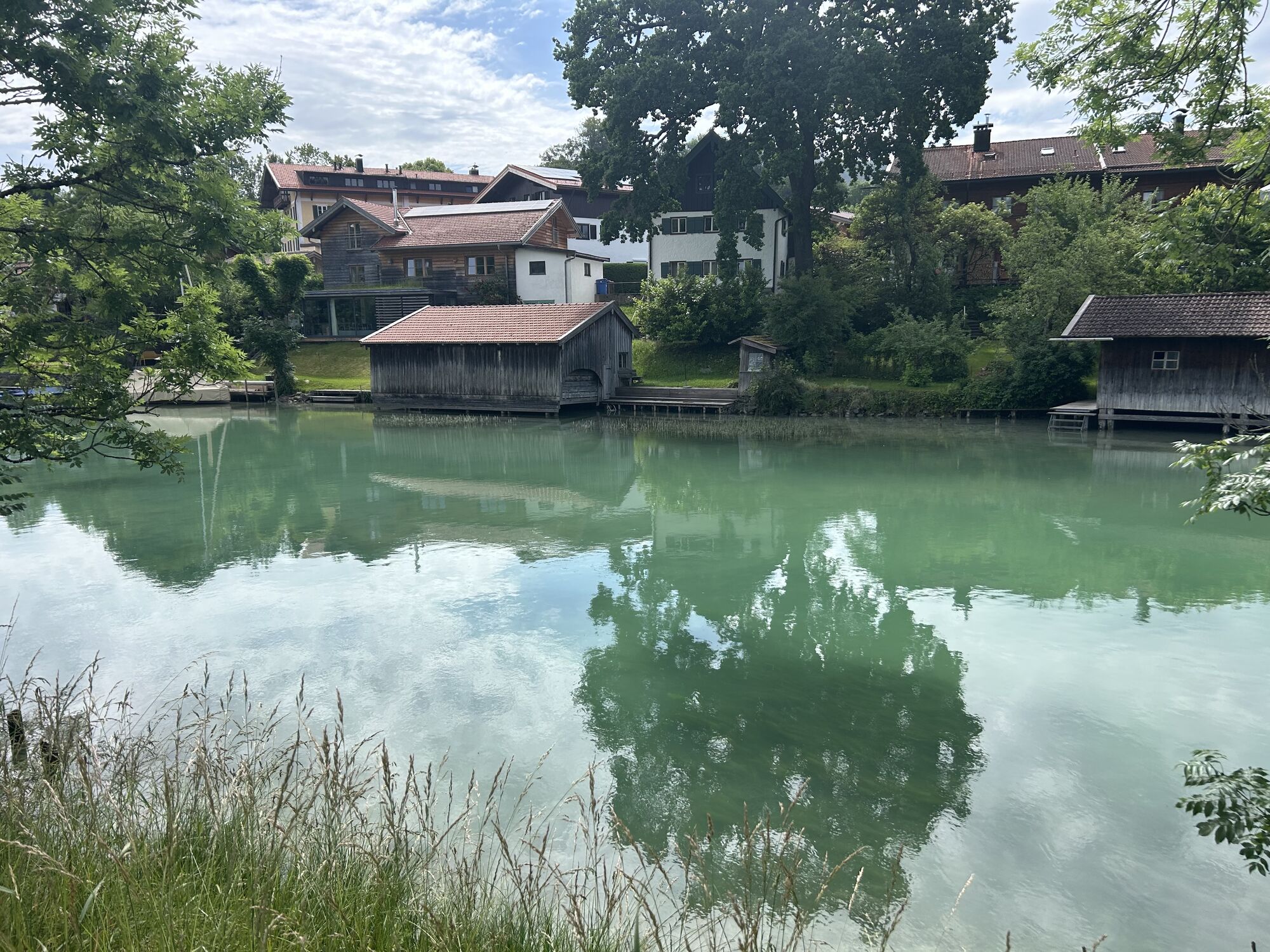
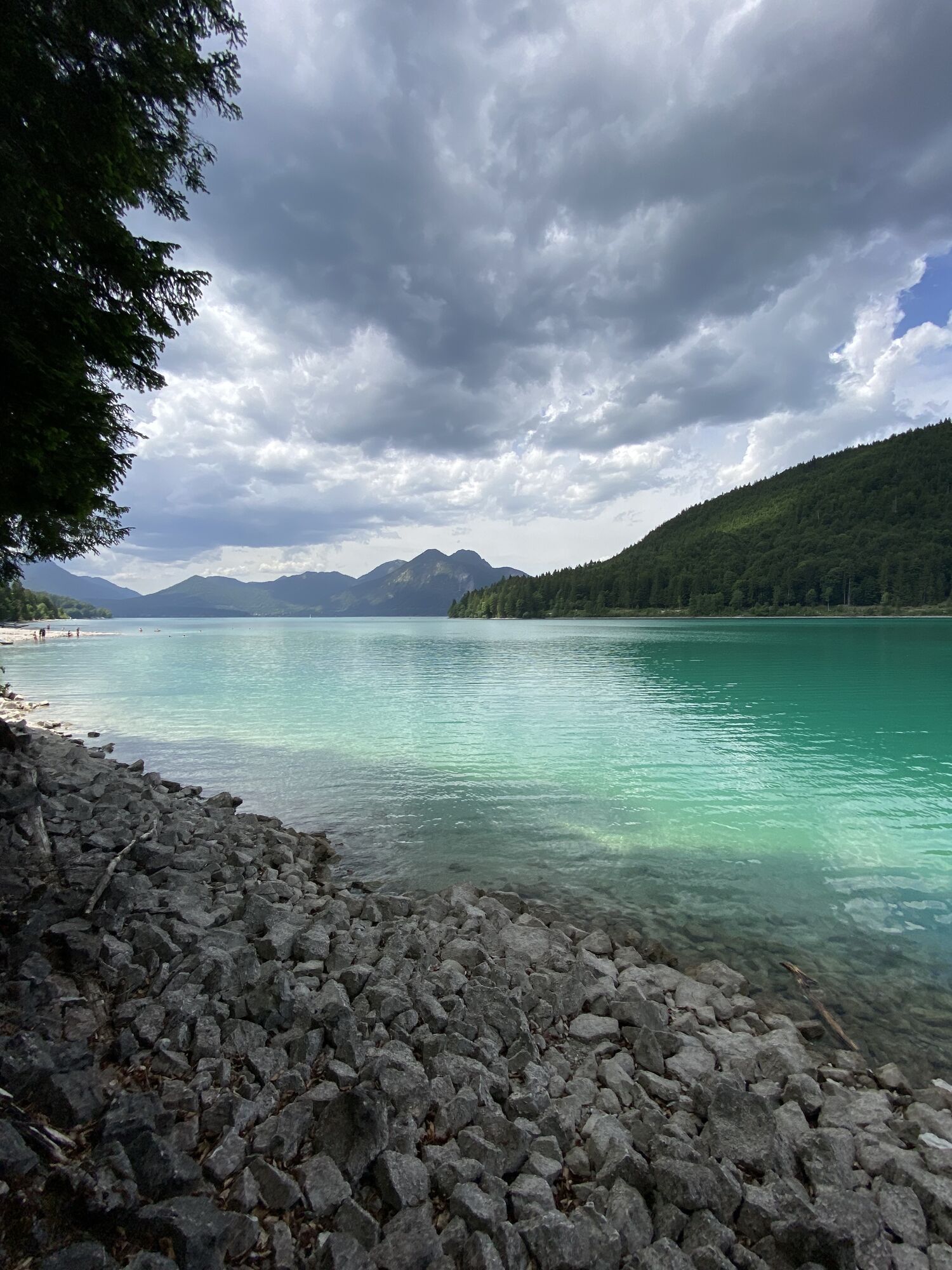
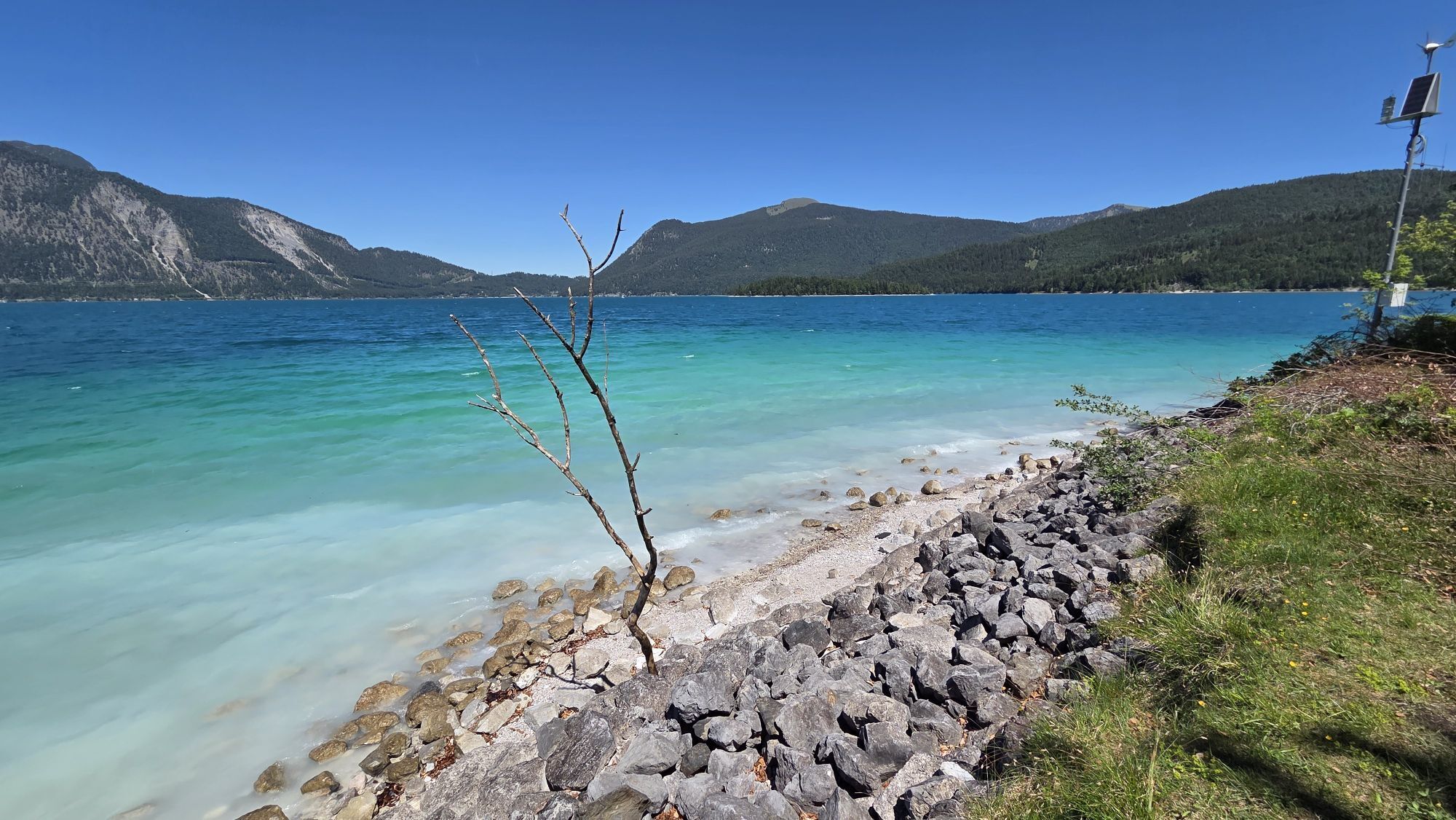
A suitable start is provided by the Lenbachhaus and the Munich Pinakotheken, where world-famous works by Van Gogh, Da Vinci, and Picasso are displayed. With the state capital at their backs, cyclists will...
A suitable start is provided by the Lenbachhaus and the Munich Pinakotheken, where world-famous works by Van Gogh, Da Vinci, and Picasso are displayed. With the state capital at their backs, cyclists will immerse themselves in the Bavarian foothills – into the Mangfall valley, to the Tegernsee, along the Isar to the turquoise-blue Walchensee heading toward Garmisch-Partenkirchen. Besides the places where many artists worked, the art loop passes royal venues as well as overwhelming churches and monasteries – including the Wieskirche, which is a UNESCO World Heritage site. Rest breaks with picturesque scenery are offered by the old towns of Bad Tölz, Murnau, and Landsberg am Lech. Special experiences along the art loop also include Germany’s first hydropower plant in Schongau, the handmade paper factory in Gmund, or the Bavaria Film Studios – birthplace of cult films like Bully’s “Der Schuh des Manitu.”

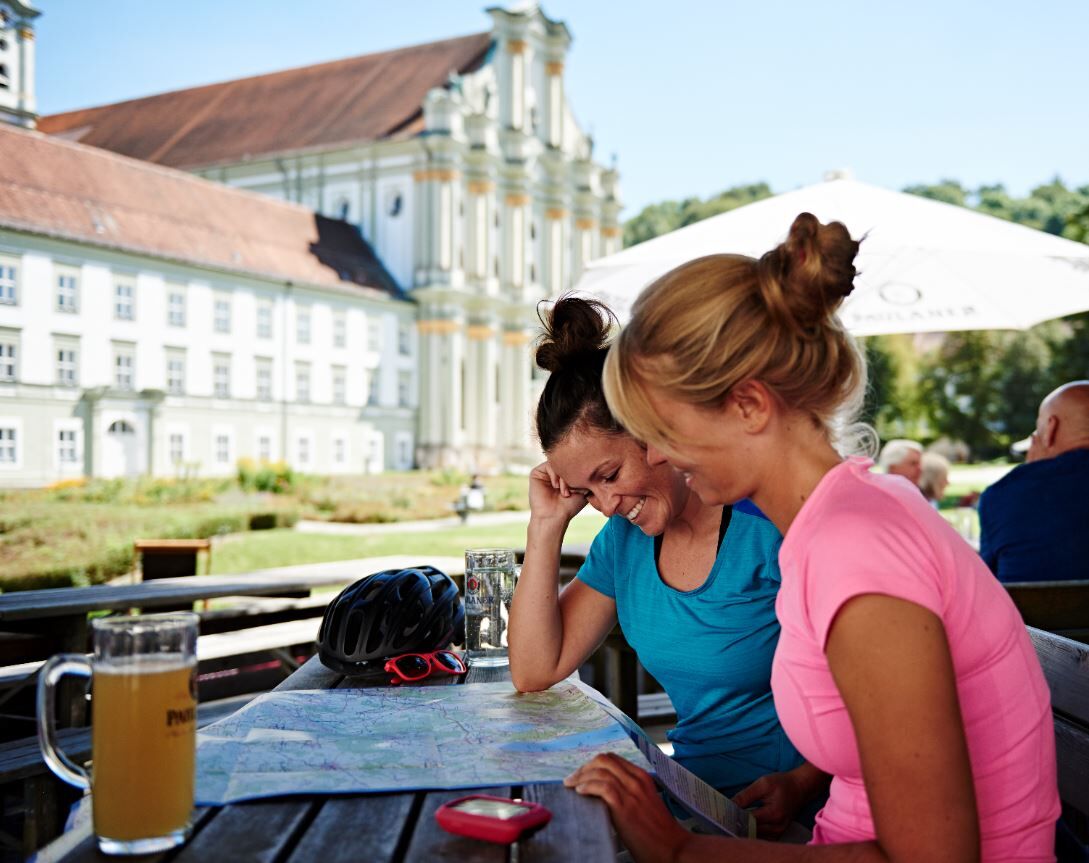
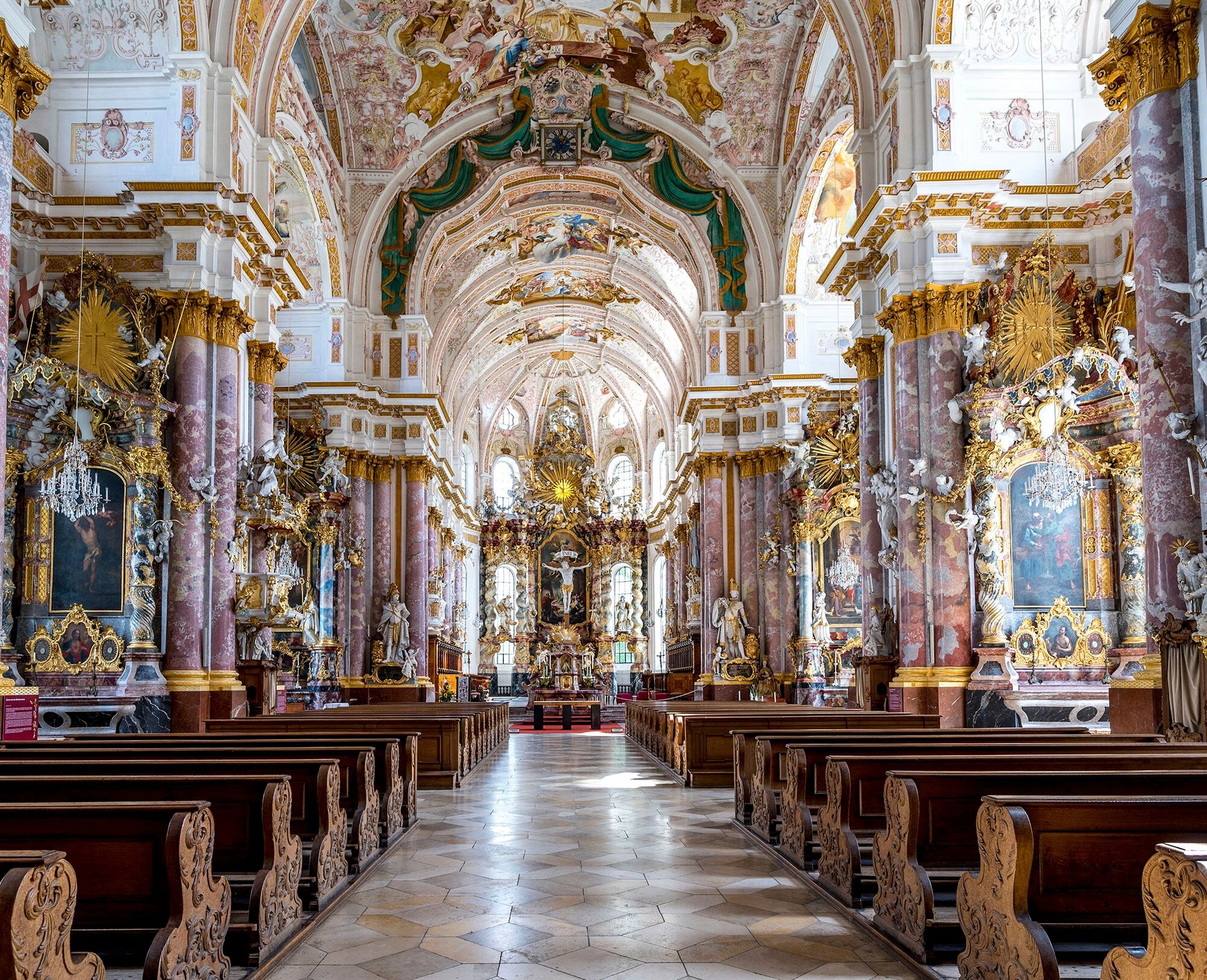
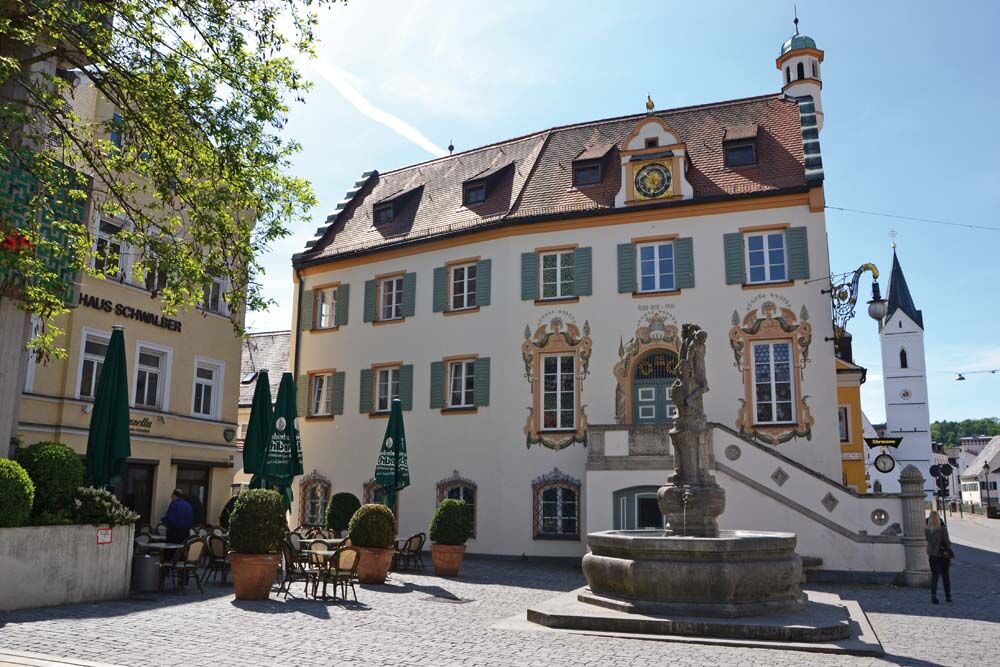
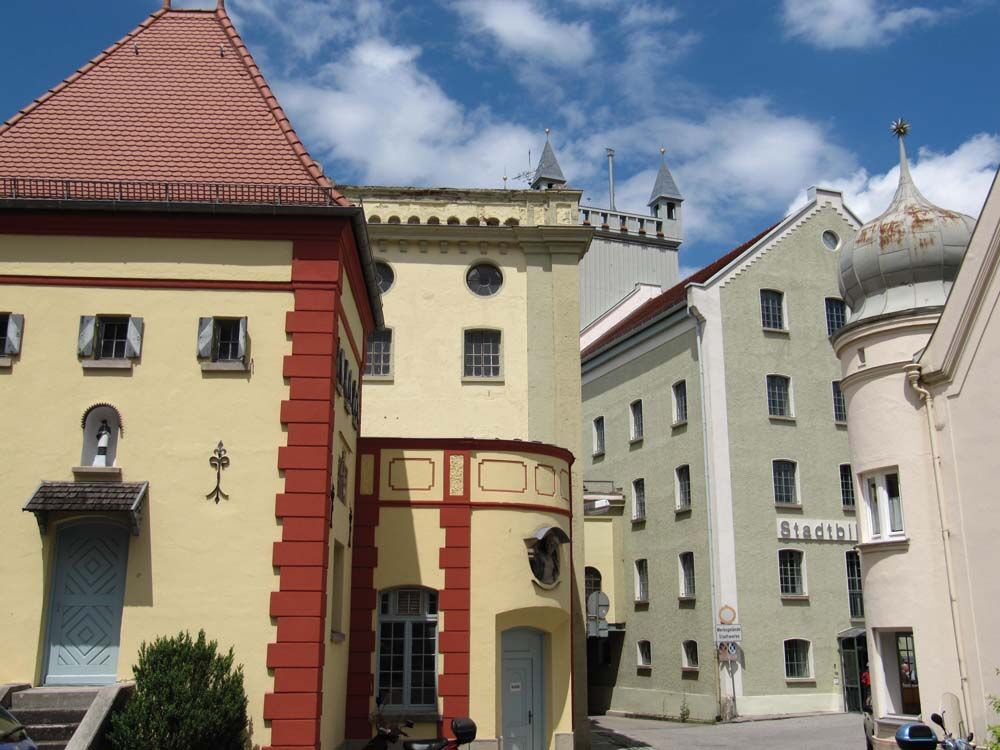
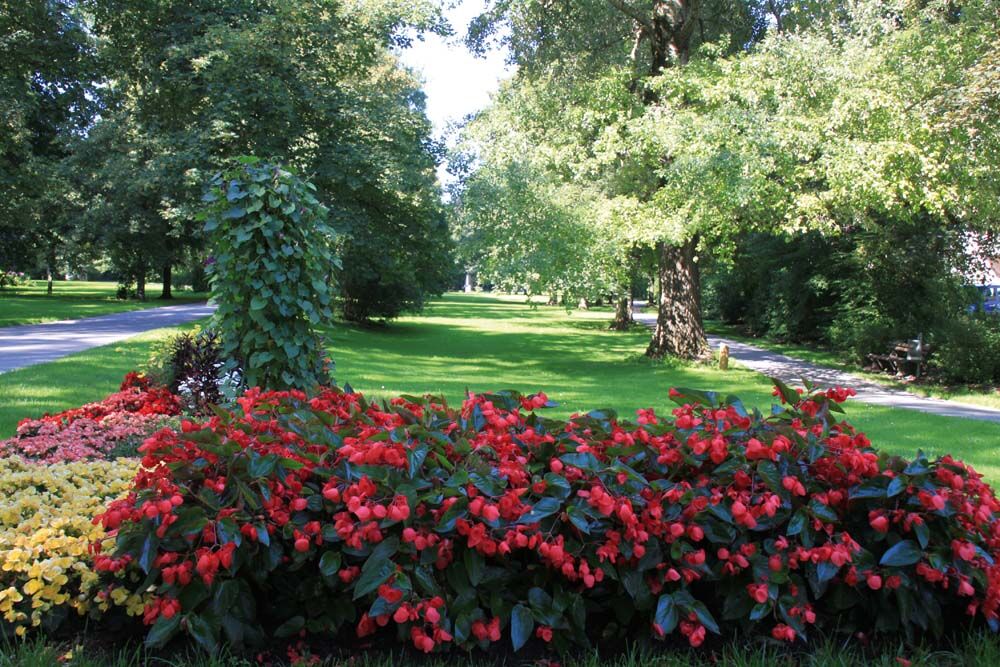

From Marienplatz, via the Museumsinsel with the Deutsches Museum southwest along the Isar meadows, the route heads toward art and culture. The fact that it is already green and rural within the metropolis will amaze some, and by the time you cross the Großhesseloher Bridge in the upscale Grünwald area, the Bavarian state capital will have captivated you. After a short time, Munich is forgotten again, because what follows is truly a cycling highlight: the Kugler Alm, where according to legend the "Radler" was invented. After enjoying one there, the journey continues on flat terrain past Sauerlach and Otterfing to Holzkirchen. From there, the cycle path winds through the hilly Alpine foothills with views of the mountains into the Mangfall valley and to the Tegernsee, passing Gut Kaltenbrunn and increasingly uphill to Marienstein.
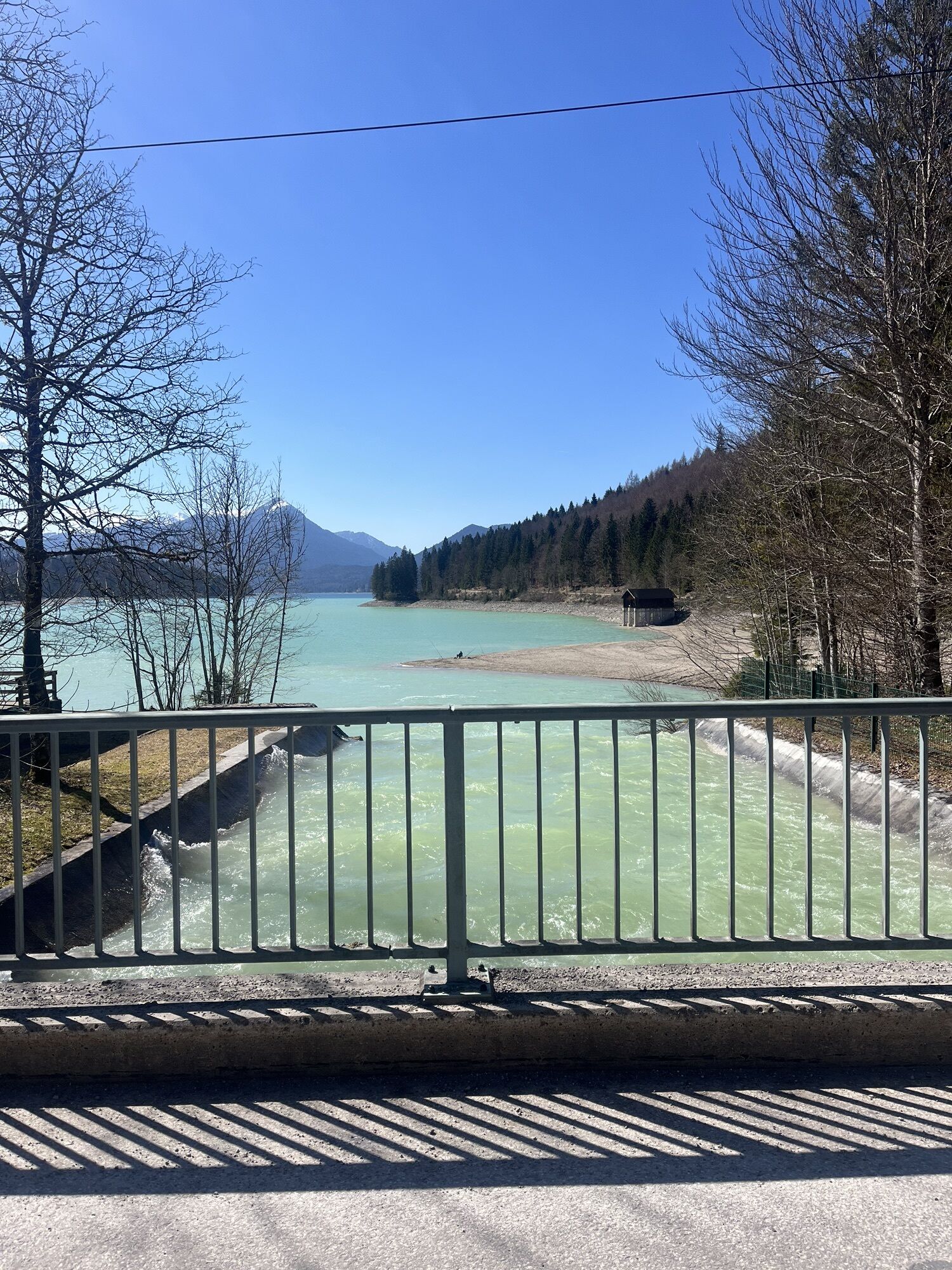
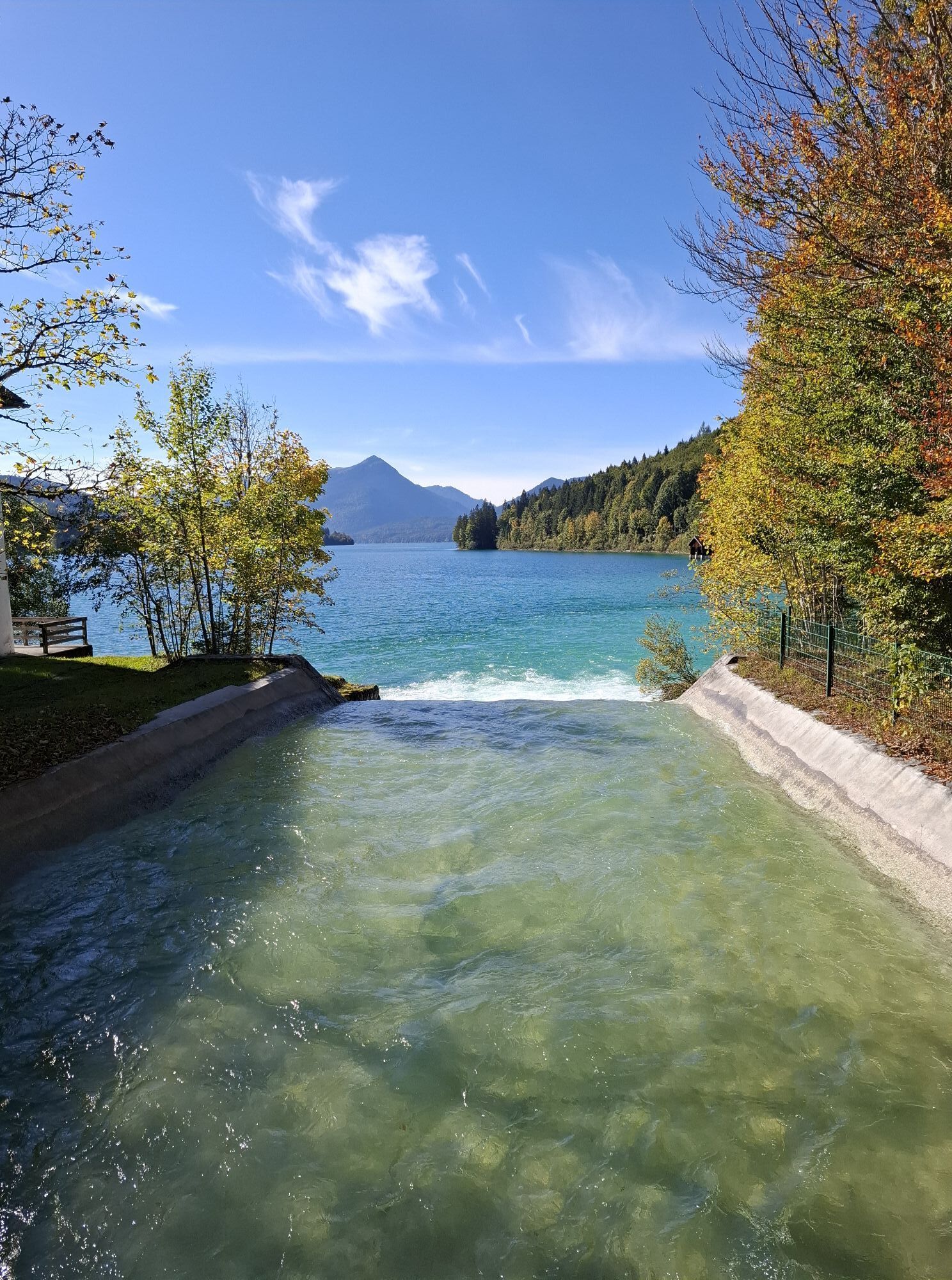
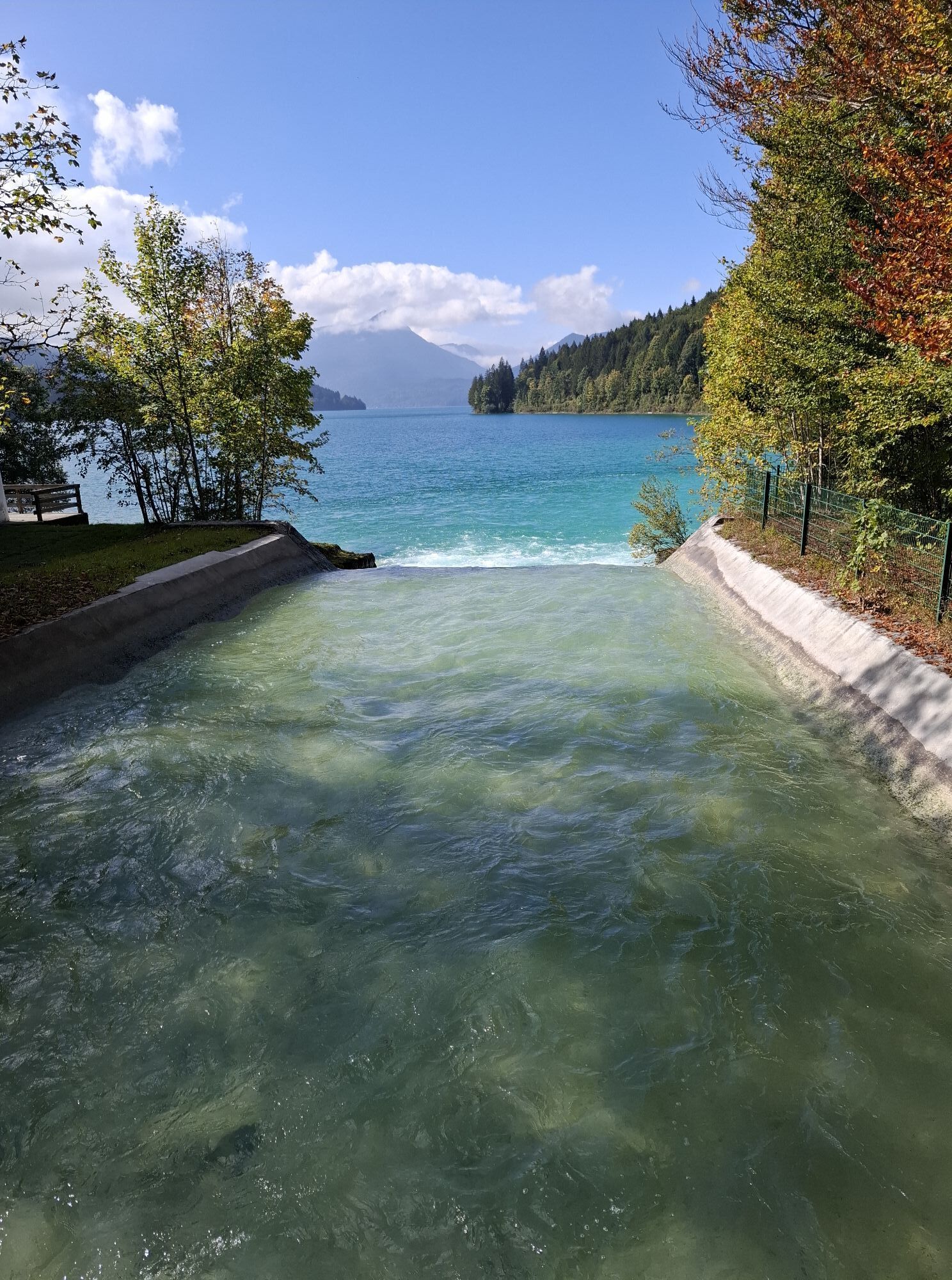
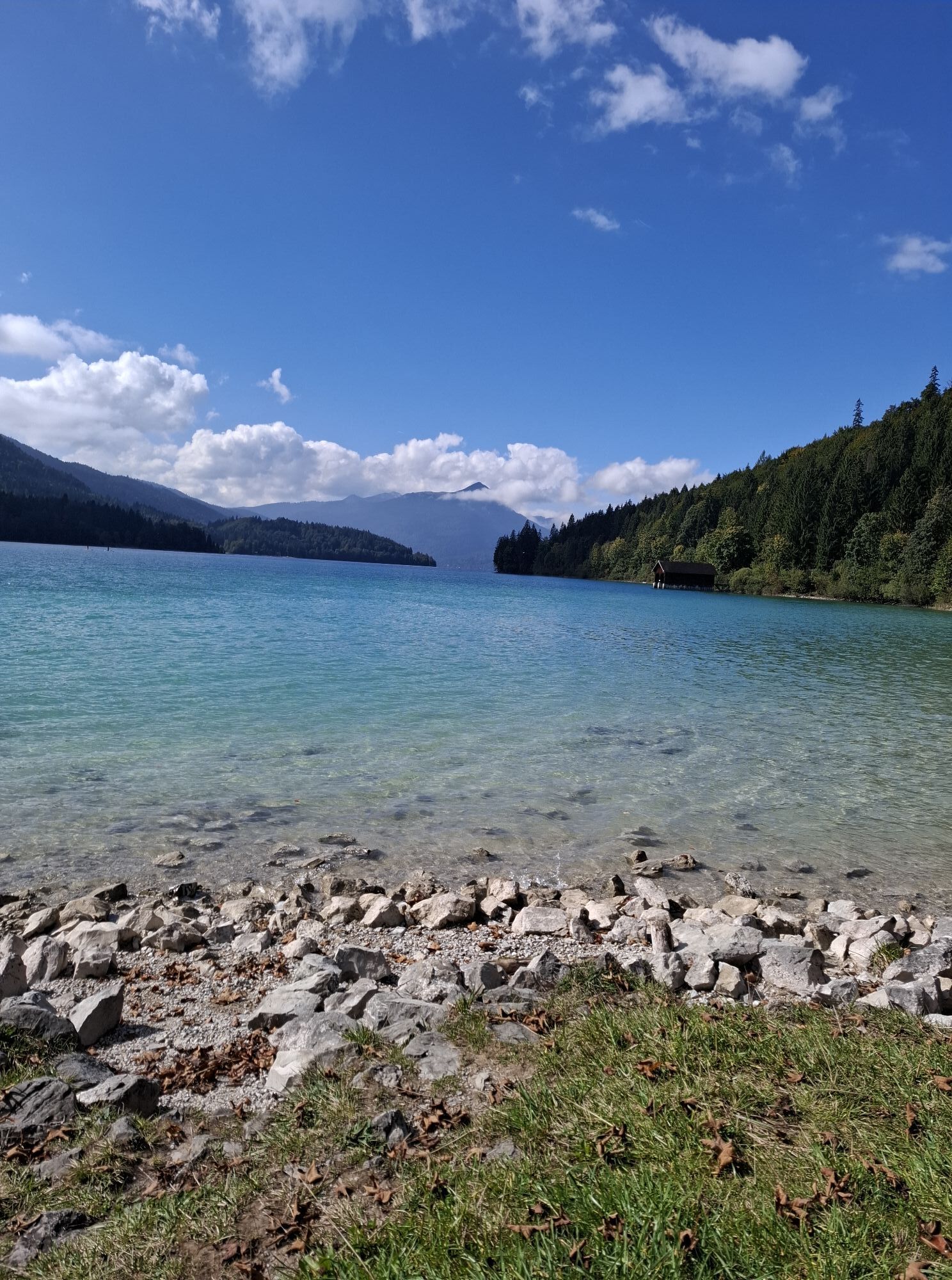
Uphill and downhill, the cycle path continues via Waakirchen to Bad Tölz. After crossing the Isar bridge, you can cycle further south along the Isar cycle path through the rafting community of Lenggries. At the height of a river fork, the route now follows the Jachen through the high valley Jachenau. Here you can see idyllic meadows and magnificent farms. The slight incline is forgotten at the latest upon reaching Lake Walchen: with its splendid blue tones, it competes with the Caribbean Sea. However, the water temperature promises better cooling moments. After a jump into the beautiful blue, you continue along the shore road to Einsiedel. Here the cycle route turns further south. It continues through hilly terrain and forests, past Sachsee to Wallgau. After Barm and Geroldsee, it rolls downhill again to Garmisch-Partenkirchen.
From now on, it goes back north through the Loisach valley to the Murnauer Moos. From there, a longer climb leads up to Saulgrub. The route remains hilly and leads over the rushing Ammer, past picturesque farms to the famous Wieskirche in the Pfaffenwinkel. Following the Lech, the next destinations are Schongau and Landsberg.
The beautiful old town of Landsberg wants to be explored. That's right, it goes uphill! But then also downhill again and mostly over flat terrain past Sankt Ottilien to the northern tip of Lake Ammersee. Once there, park your bike, find a place to rest, and consider how to continue. Cycle directly to Fürstenfeldbruck and switch there to the Hopfen loop? Or take the route back to the south of Munich via Gauting?
Da
Da
Sun protection for skin and head is an indispensable companion on longer bike rides.
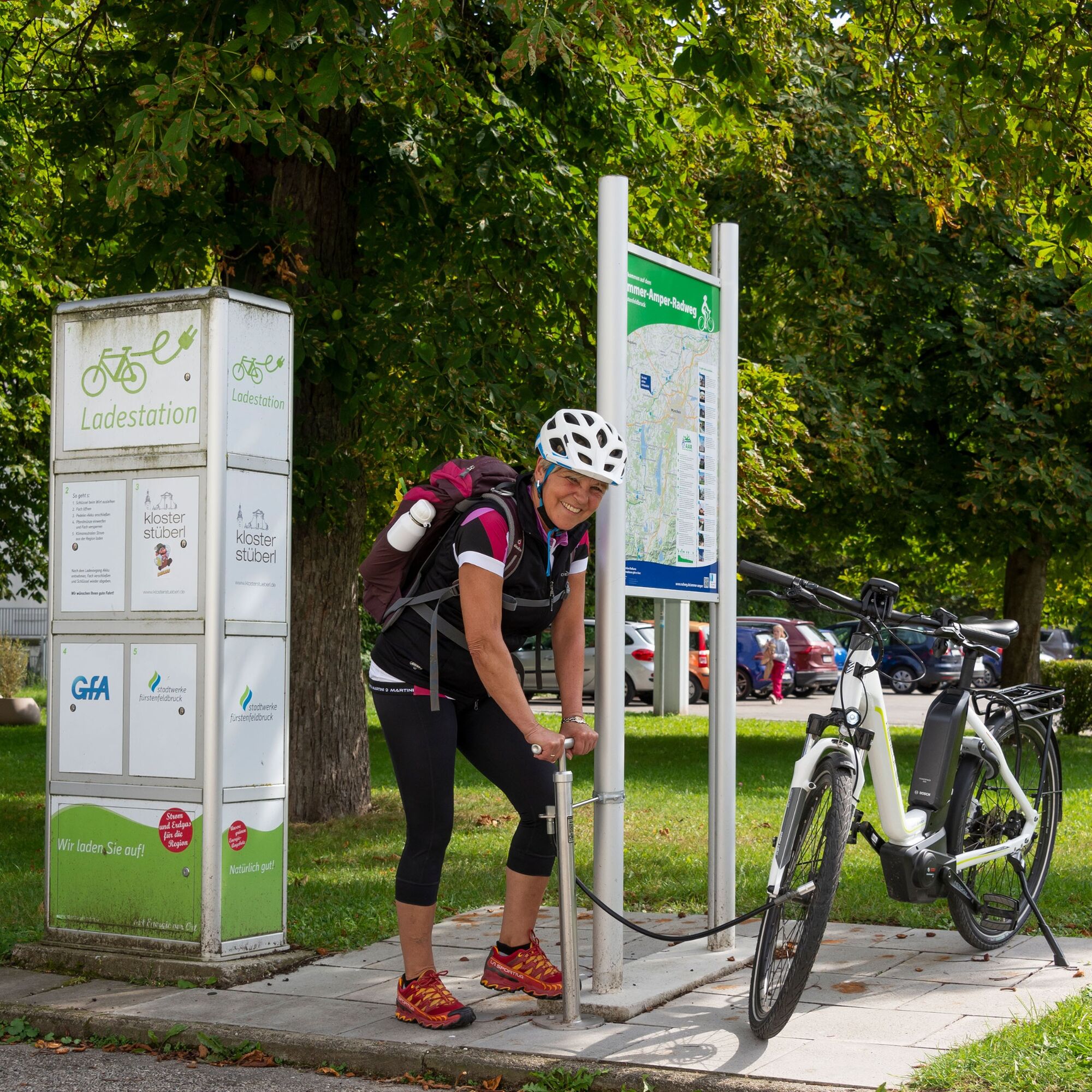
A first aid kit, air pump, and spare tube should never be missing.
Drink enough on the way and remember to have an emergency muesli bar.
Clothing should be changeable according to the layering principle and be breathable. Wind and rain protection is important!
A bicycle helmet and sunglasses are recommended.
Always check the lighting system, brakes, tires, and reflectors of your bike before starting!
Wear bright, reflective clothing in poor visibility (dusk, darkness, fog, etc.). Alternatively: vest or ankle bands with reflective strips.
Especially in autumn and winter, fallen leaves on the ground can conceal possible unevenness, roots, stones, or holes in the path.
Drive on the motorways towards Munich Central Station and approach via Sendlinger Tor or Isartor to Viktualienmarkt.
Take local and long-distance transport to Munich Central Station and change there to the S-Bahn towards Ostbahnhof. Get off at the Marienplatz station and walk to the starting point at the Viktualienmarkt.
But beware: bicycles can only be taken on public transport with a separate ticket. This can be purchased via the MVG app or at the ticket machines.
Numerous paid parking options are available near the starting point. At Marienplatz the Contipark underground car park, Frauenstraße has the Rieger City parking garage, and near the Hofbräuhaus there is the parking lot of the Stadtsparkasse.
4
Further information about the Wasser-Radlwege Oberbayern can be found on the homepage of Tourismus Oberbayern München.
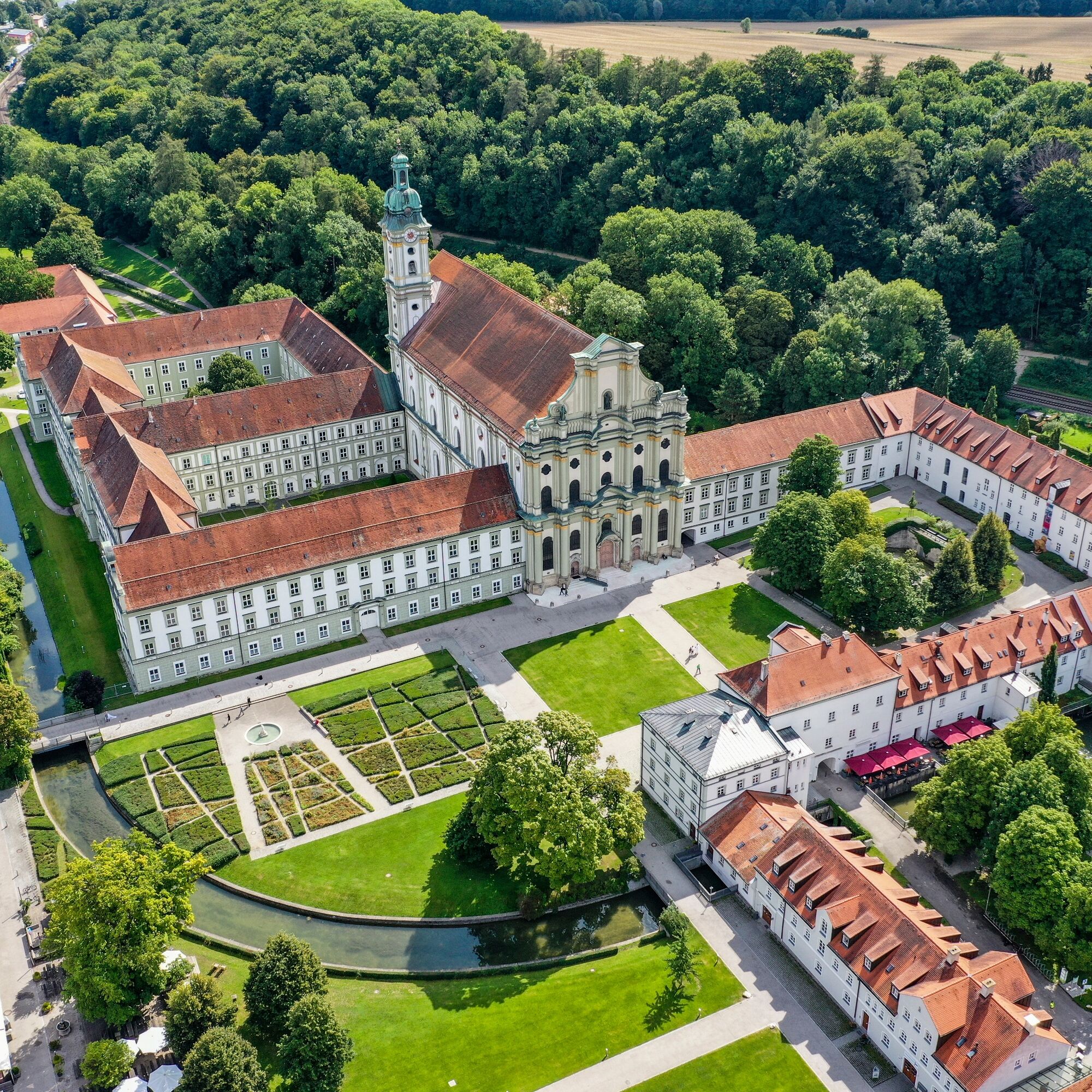
Be sure to make a stop at the Fürstenfeld monastery area in Fürstenfeldbruck and refresh yourself in one of the beer gardens under chestnut trees.
Spletne kamere s turneje
Brauneck - Draxlhang
Streidlhang
Ödberg Talstation
Laber Bergbahn - Bergstation
Laber Bergbahn - Bergstation
Jachenau - Gasthof Jachenau
Wallgau Golfplatz
Herzogstand / Fahrenbergkopf
München-Freimann
Kloster Fürstenfeld
Tegernsee
Herzogstand / Fahrenbergkopf
Garmisch-Partenkirchen - Panoramaberg Wank
Kochel am See
Urfeld am Walchensee
Krün - Hotel Kranzbach
Oberau
Alpen-Caravanpark Tennsee
Bergstation Brauneck
Blomberg
Bergstation Brauneck
Blomberg
Blomberg
Blomberg
Blomberg
Herzogstand
Herzogstand
Herzogstand
Herzogstand
Herzogstand
Herzogstand
Alpenwelt Karwendel - Wallgau Maxhütte
Alpenwelt Karwendel - Krün
Alpenwelt Karwendel - Mittenwald Kranzbergbahn
Garmisch - Kandahar Lodge
Garmisch-Partenkirchen - Rathaus
Garmisch-Partenkirchen - Olympiaschanze
Garmisch-Partenkirchen - Festsaal
Gsteig
Pridobite vpogled Vedno v živo na mestu z več kot 9.500 spletnimi kamerami. bergfex Kot uporabnik Pro si lahko zdaj ogledate ustrezne spletne kamere za številne izlete v aplikaciji izleti iz. Tako si lahko neposredno ogledate trenutne razmere. Priljubljeni izleti v okolici
- 4,0
Radweg um den Starnberger See
Kolesarjenje 49,8 km - 3,3
Ilkahöhe - Starnberger See
svetlobaPohodništvo 11,7 km - 4,8
Ultra Hike um den Starnberger See
srednjaPohodništvo 50,1 km - 5,0
Kaiserin Elisabeth Weg - Starnberger See
svetlobaPohodništvo 9,12 km - 4,5
Rund um den Ostersee
svetlobaPohodništvo 9,70 km - 4,8
Wanderparkplatz Iffeldorf around the Ostersee
svetlobaPohodništvo 12,3 km - 4,0
Fohnsee Rundweg
svetlobaPohodništvo 4,55 km Zu den Osterseen
srednjaKolesarjenje 44,4 kmPähler Schlucht
svetlobaPohodništvo 3,38 km- 4,0
Hubert und/ohne Staller - Weg
svetlobaTematska pot 6,31 km
Pohodništvo in sledenje

Ne zamudite ponudb in navdiha za naslednje počitnice
Vaš e-poštni naslov je bil dodan na poštni seznam.